
Choosing the Right Plants for Your Indoor Space
Welcome
Ever bought a gorgeous plant, only to watch it wilt away after a few weeks — even though you followed all the “rules”? You’re not alone. Choosing the right plants for your home can feel like a guessing game, but the secret isn’t luck — it’s compatibility. Just like people, plants thrive when they’re in the right environment.
Whether your home is drenched in sunlight or you’re working with a cozy, dimly lit space, there’s always a plant that fits. The key is understanding your space — light, humidity, and lifestyle — and then choosing plants that naturally flourish in those conditions. Let’s walk through how to make your home come alive with greenery that actually thrives, not just survives.
1. Understanding Your Space
Before you head to the nursery or scroll through plant stores online, take a few minutes to observe your home. This simple step will make all the difference.
Start with light. Is your living room bright and sunny all day? Or does your bedroom only catch a few rays in the morning? North-facing rooms tend to get softer light, while south-facing ones bask in brightness most of the day. East-facing windows give gentle morning sun — perfect for many tropical plants — and west-facing ones offer a warmer afternoon glow.

Next, consider humidity. Bathrooms and kitchens tend to be more humid (great for ferns and calatheas), while bedrooms and living rooms are usually drier.
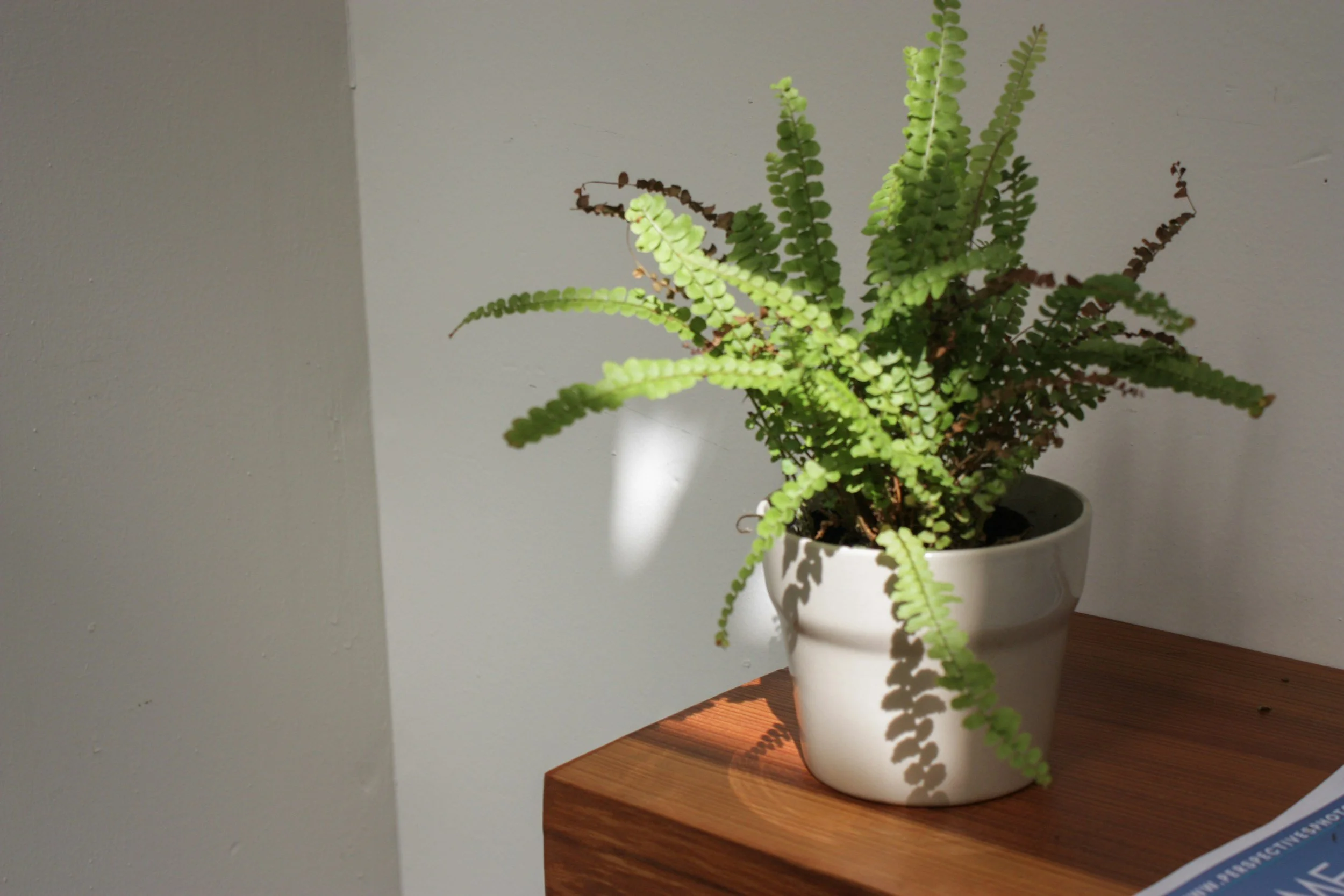
Finally, think about traffic flow and space. Do you have pets or kids that might knock over fragile pots? If so, sturdy plants or hanging planters might be your best friends.
Once you understand your environment, you’ll be ready to match it with the right plants.
2. Light Levels & the Right Plants
Light is like food for plants — too much or too little, and they’ll let you know. Some plants can survive in shade, while others crave the spotlight. Knowing how much natural light your space gets will help you choose plants that will thrive with minimal fuss.
Below is a simple guide to help you match your light conditions with the right types of plants:
Table 1: Light Levels & the Best Plants
| Light Level | Best Plants | Notes |
|---|---|---|
| Low Light | ZZ Plant, Snake Plant, Peace Lily | Perfect for offices, hallways, or shaded corners. |
| Medium Light | Spider Plant, Pothos, Philodendron | Thrive near east or west windows with indirect light. |
| Bright Light | Fiddle Leaf Fig, Areca Palm, Aloe Vera | Best near bright windows or balconies. |
💡 Pro Tip: If you’re unsure how bright your space is, check how quickly your shadow fades. Sharp shadows = bright light; faint shadows = medium; no shadow = low light.
3. Maintenance Level: Matching Your Lifestyle
Let’s be honest — not everyone has the time (or patience) to mist leaves and measure soil moisture every other day. And that’s okay! Your plants should complement your lifestyle, not complicate it.
Ask yourself: Do I want a “set-it-and-forget-it” plant or one that needs regular pampering?
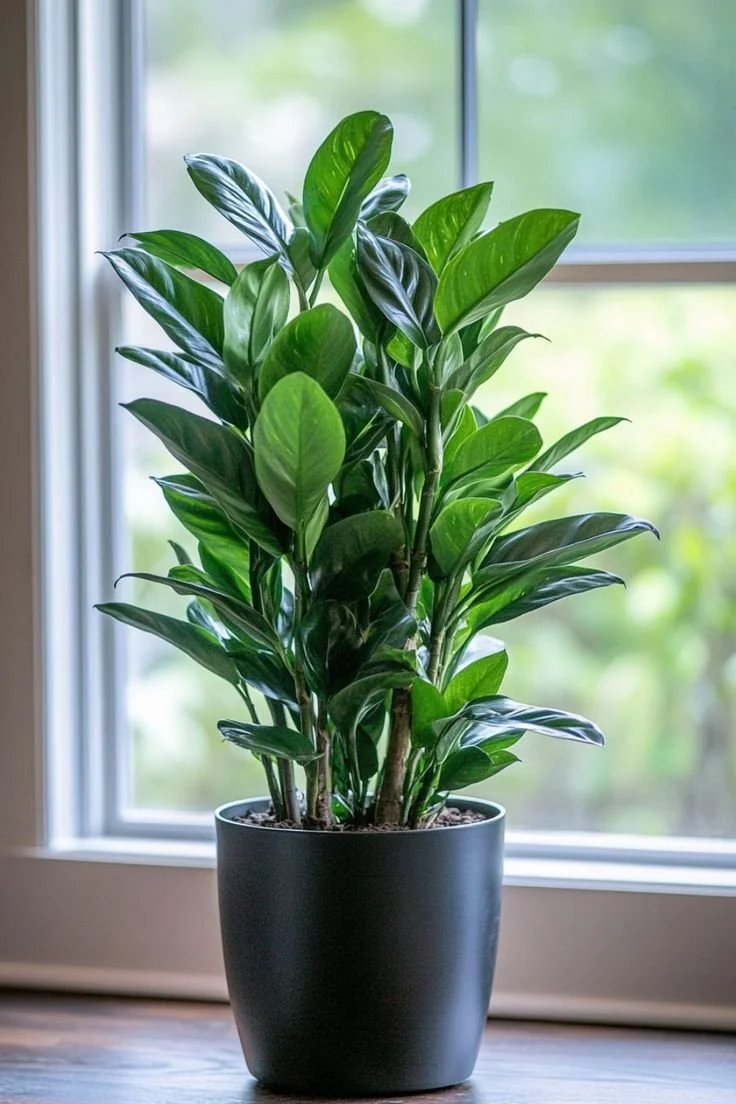
Here’s a quick breakdown to help you pick your green companions based on how much effort you’re ready to give.
Table 2: Maintenance Level & Recommended Plants
| Maintenance Level | Best Plants | Care Notes |
|---|---|---|
| Low | Snake Plant, ZZ Plant | Water every 2–3 weeks. Nearly indestructible! |
| Medium | Pothos, Peace Lily | Weekly watering and leaf cleaning. |
| High | Fiddle Leaf Fig, Ferns | Need bright light and regular misting. |
Pro Tip: Group plants with similar needs together — it makes watering and maintenance easier (and they look beautiful in clusters!).
4. Bonus: Plants That Purify the Air
Your indoor plants don’t just sit pretty — they work hard too! Many of them help purify the air by absorbing toxins and releasing fresh oxygen. According to NASA’s Clean Air Study, certain plants can filter out common indoor pollutants like benzene, formaldehyde, and carbon monoxide.
So if you want to breathe a little easier — literally — here’s a shortlist of some hardworking, air-cleansing plants.
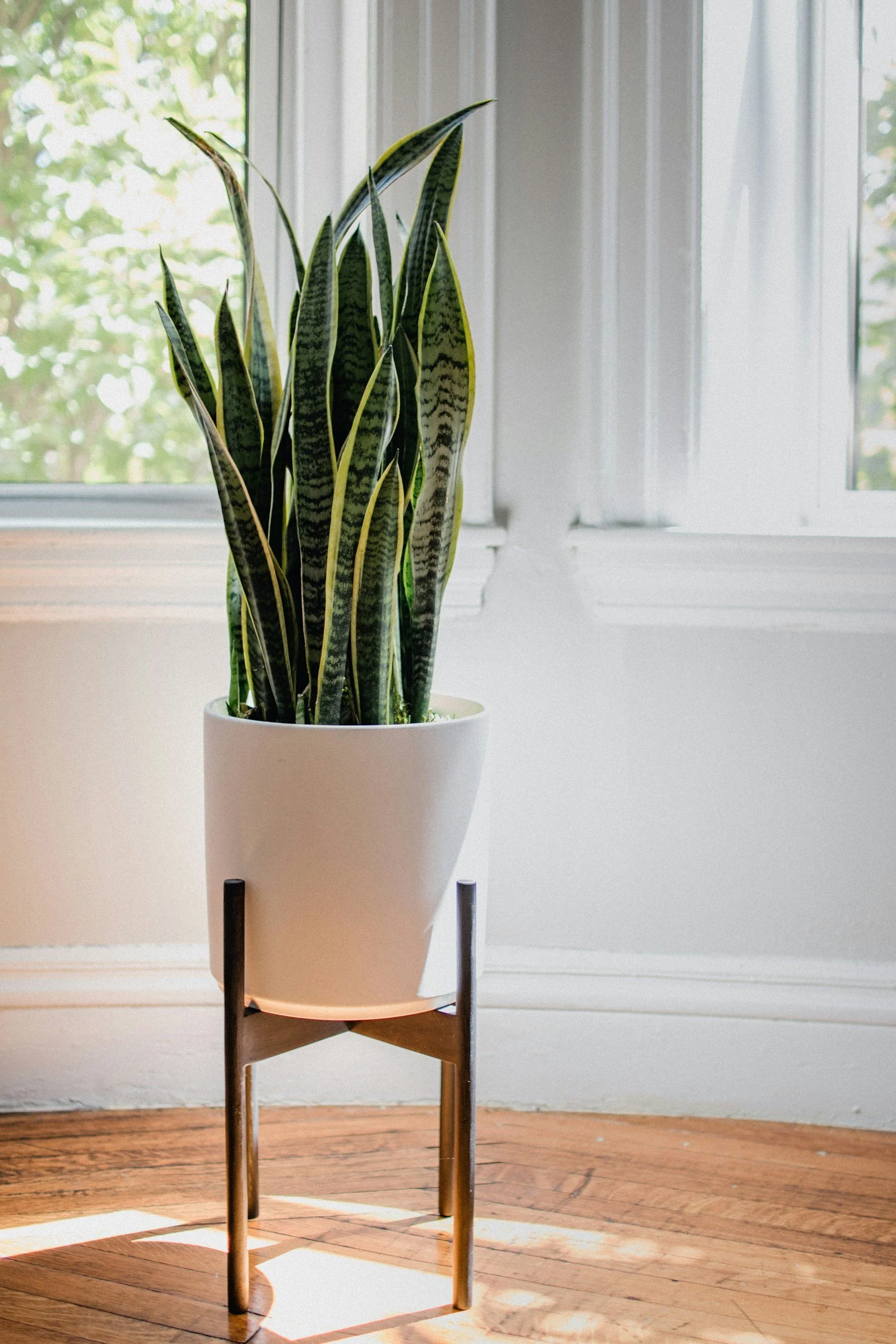
Table 3: Air-Purifying Plants
| Plant | Air Quality Benefit | Ideal Location |
|---|---|---|
| Peace Lily | Removes benzene & formaldehyde | Bedroom or office |
| Snake Plant | Emits oxygen at night | Bedroom |
| Areca Palm | Adds humidity & filters toxins | Living room |
| Spider Plant | Reduces carbon monoxide | Kitchen or hallway |
Fun fact: Snake plants release oxygen even at night, making them ideal for bedrooms — they literally help you sleep better!
5. Styling & Placement Tips
Once you’ve chosen your plants, it’s time to let them shine! Indoor plants can be both functional and stylish. Mix and match shapes, colors, and heights to create visual interest.
Try hanging pothos or ivy near windows to add a touch of movement. Group tall plants like the Areca Palm with smaller ones like succulents for layered dimension. Choose pots that match your home’s décor — earthy tones for a minimalist vibe, or bold ceramics for a more eclectic look.
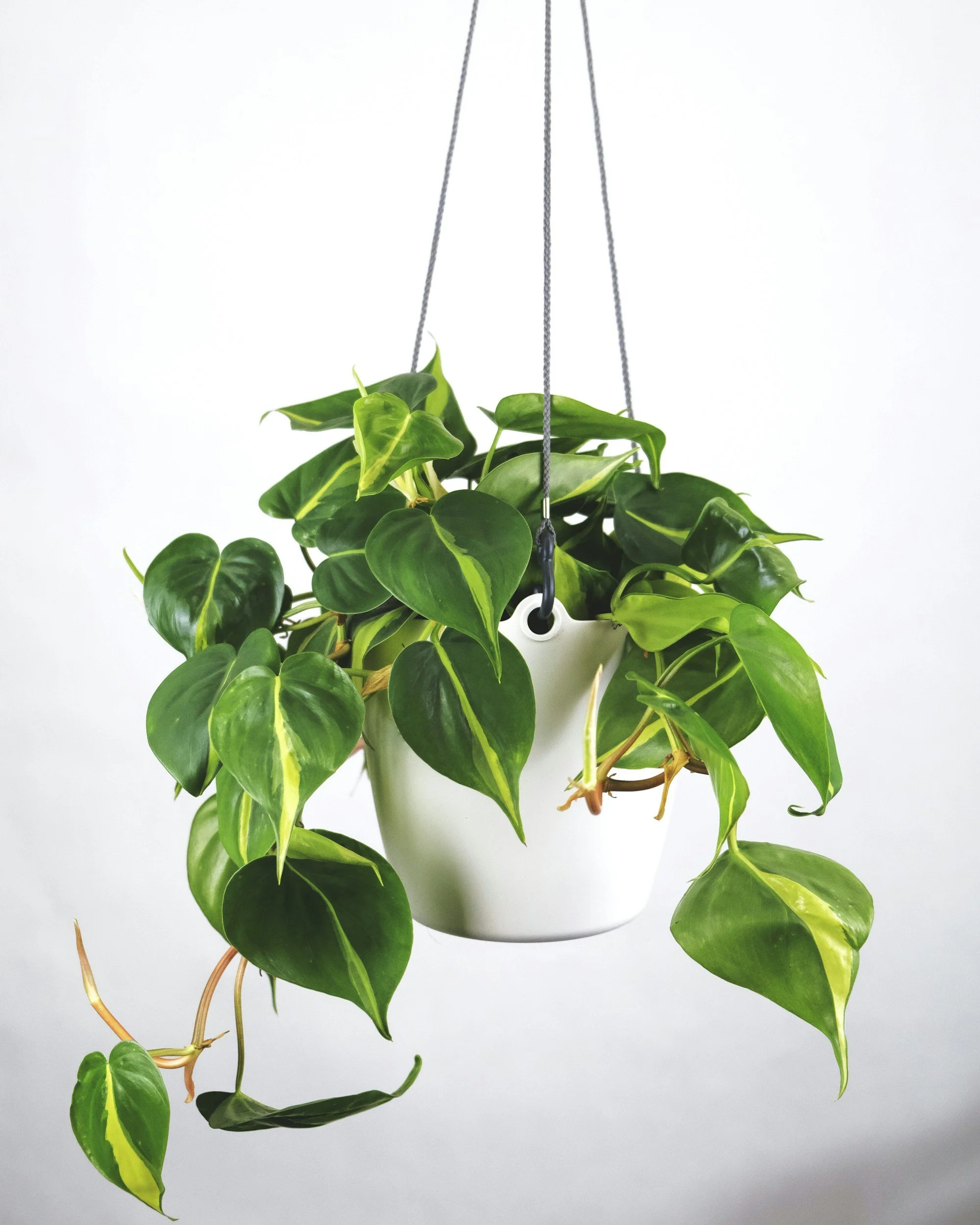
Don’t forget vertical spaces! Floating shelves or macramé hangers can turn unused corners into green statement zones. The goal is to create harmony between your home’s style and your plant display.
6. Conclusion
Choosing the right plants for your space is about more than just aesthetics — it’s about creating an environment that feels alive and balanced. When your plants are happy, your home radiates calm and beauty in return.
Start small, experiment, and most importantly — enjoy the journey. With a little observation and care, your space will soon be glowing with greenery that suits your lifestyle perfectly.
So go ahead — grab that pot, find the right corner, and let your home grow in style. 🌿✨
