
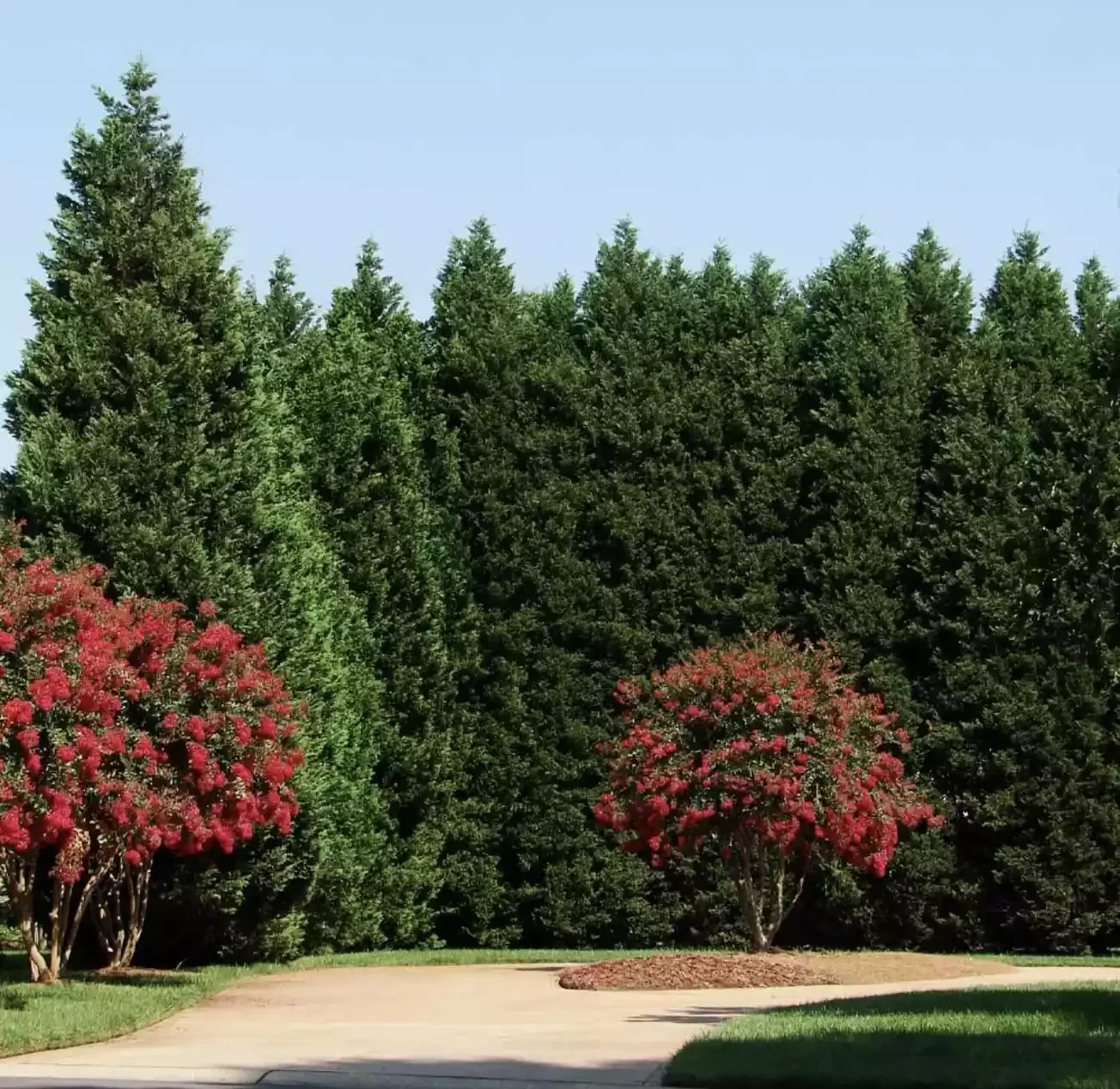
WIND-RESISTANT GARDEN LAYOUTS
Designing a garden that thrives in windy conditions requires smart planning. By using natural windbreaks, lattice trellises, and strategic zoning, you can create sheltered microclimates that protect plants while maintaining airflow. Discover how thoughtful layouts transform exposed spaces into comfortable, resilient gardens.
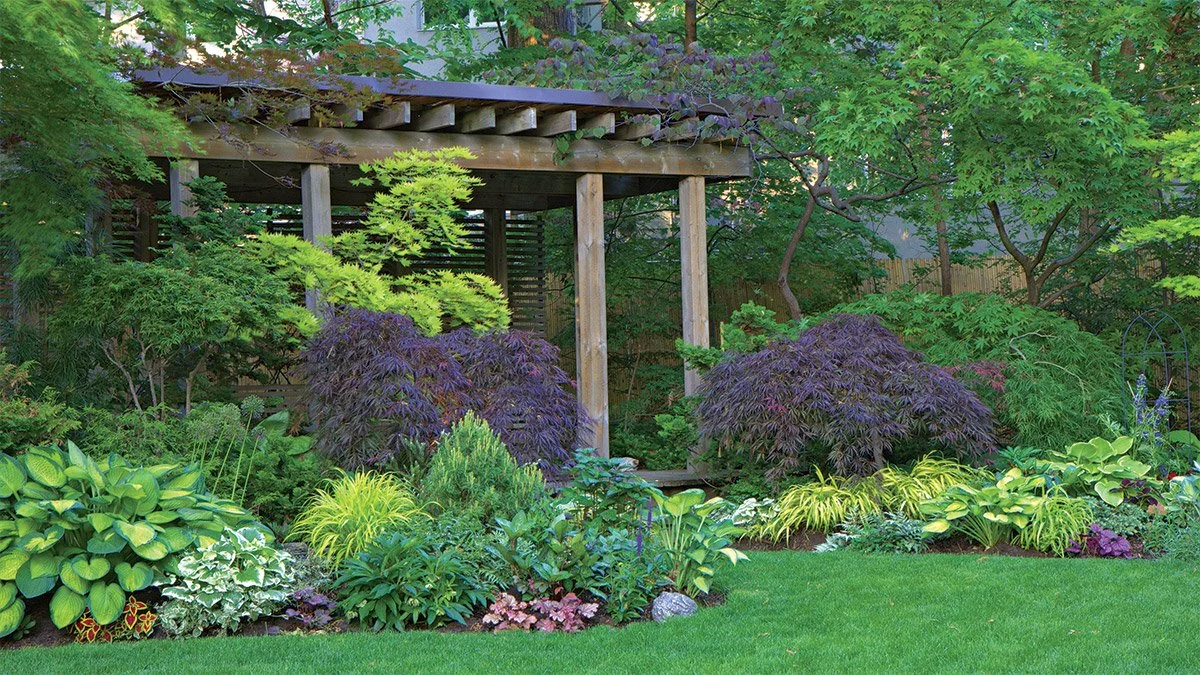
DESIGNING SHADED GARDEN ZONES
Shaded garden zones bring balance and comfort to outdoor spaces, offering cool retreats during hot days while enhancing biodiversity. From pergolas and tree canopies to natural microclimates, thoughtful shade design transforms gardens into inviting sanctuaries that are both functional and beautiful.

🌿 How to Use Color to Instantly Transform Your Garden’s Emotion
Color is more than decoration in a garden—it’s the rhythm that guides the eye and sets the mood of a space. Thoughtful coordination means balancing bold accents with calming neutrals, weaving repetition into planting layers, and allowing seasonal shifts to refresh the palette naturally. By layering canopy, mid-level, and ground plants with intentional hues, designers create depth and harmony, ensuring every corner feels connected yet dynamic. A well‑coordinated landscape doesn’t just look beautiful; it tells a story of flow, balance, and seasonal transformation.
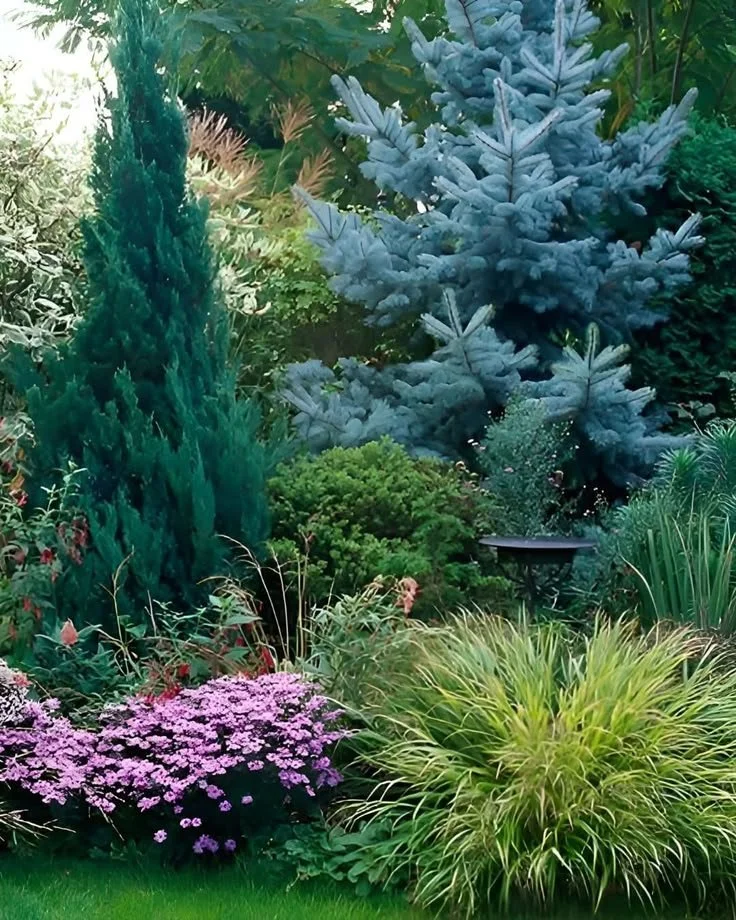
LAYERING PLANTS FOR DEPTH
Layering plants is the secret to creating gardens with depth, rhythm, and natural flow. Each layer plays a role: canopy trees form visual blocks and structure, shrubs provide mid‑level screening, and groundcovers soften and conceal the base. Height ranges define transitions from low ground covers to towering canopies, while density choices shape atmosphere — from immersive jungle‑like spaces to minimal, open lawns. Lighting reinforces these layers, with uplighting for trees, soft washes for shrubs, path lights for movement, and spotlights for accents. Zones are designed with intention: entrances framed by shrubs and accents, lawns kept open with scattered trees, seating shaded by canopy and mid shrubs, and boundaries strengthened with dense vertical layering. When layering is ignored, gardens flatten into monotony, soil lies exposed, canopies overcrowd, and spaces lose flow. Thoughtful layering transforms outdoor spaces into dynamic landscapes that feel balanced, immersive, and alive.
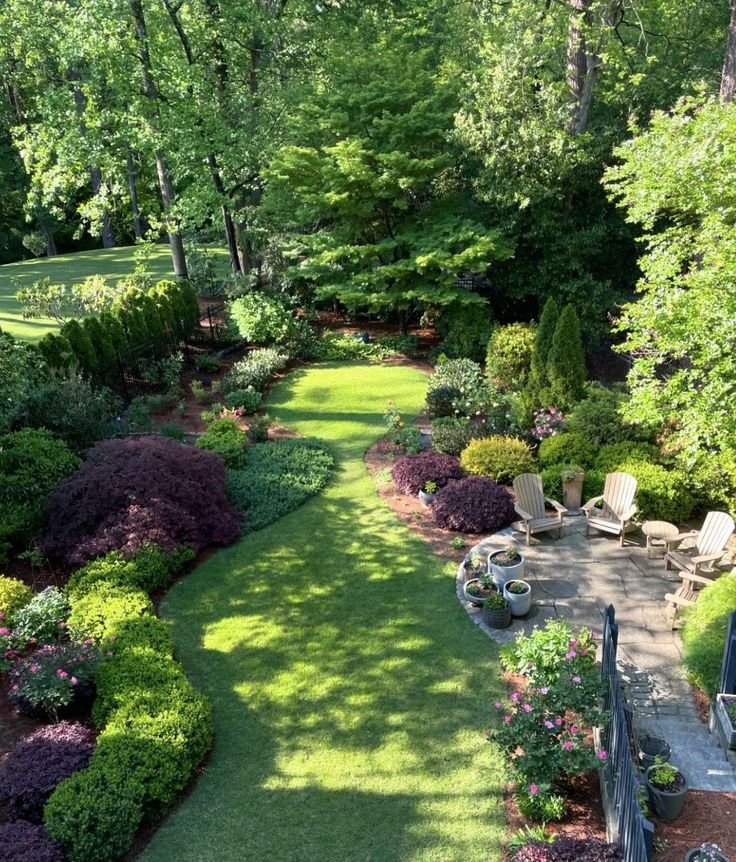
ASYMMETRY FOR NATURAL-LOOKING GARDENS
Asymmetry in garden design embraces nature’s irregular beauty, creating spaces that feel organic, dynamic, and inviting. Instead of mirrored layouts, balance is achieved through contrasts — a single tree offset by shrubs, a water feature balanced with dense planting, or a sculpture complemented by layered flowers. Depth comes from layered planting: canopy trees for structure, shrubs for volume, and ground covers for softness, while foreground, midground, and background elements guide flow. Lighting enhances mood with soft glows, directional beams, and shadow layering. Yet, without careful mapping, asymmetry can slip into chaos — random placement, overcrowding, or ignoring scale disrupts harmony. Thoughtfully applied, asymmetry transforms gardens into natural landscapes that encourage exploration and relaxation.
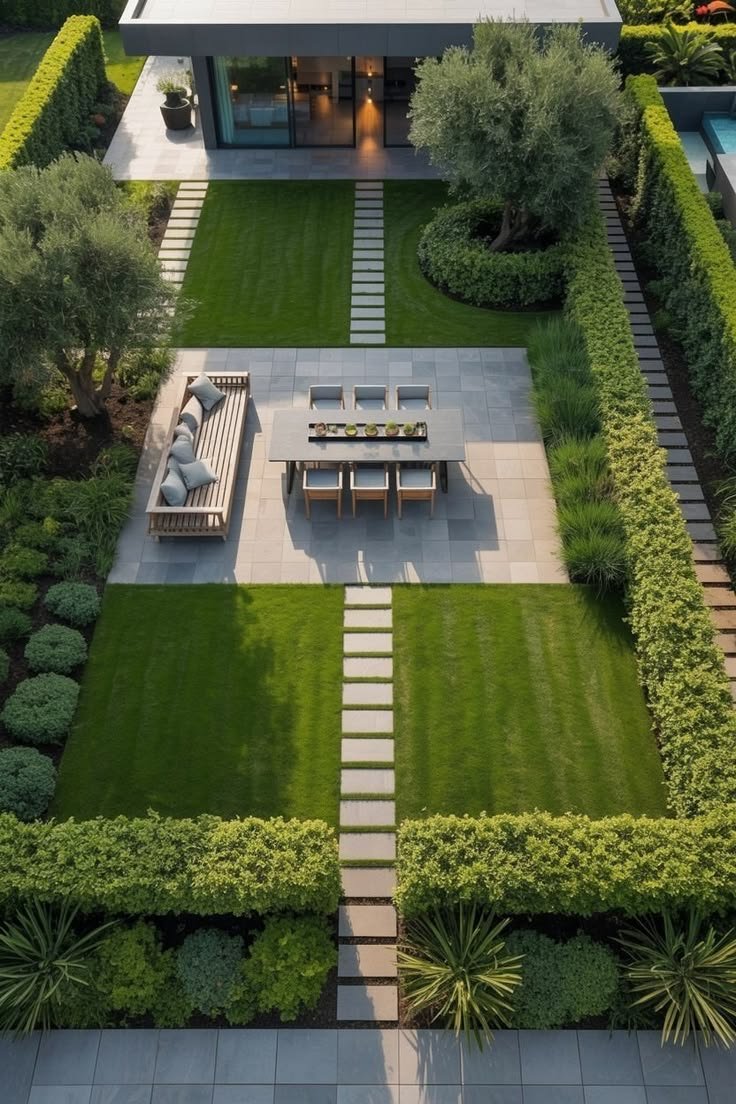
SYMMETRY IN GARDEN DESIGN
Symmetry in garden design creates a sense of order, calm, and timeless elegance. By aligning entrances with paired planting beds, guiding movement along a central axis, and anchoring spaces with mirrored benches or a central fountain, designers establish balance that feels both formal and reassuring. The effect is more than visual — predictable structure reduces stress, balanced layouts convey authority, and central features add a touch of luxury. Yet, symmetry must be handled with care: perfect mirroring can feel artificial, ignoring scale leads to imbalance, and weak axes result in confusion. When applied thoughtfully, symmetry transforms outdoor spaces into harmonious landscapes that invite both reflection and exploration.

CREATING FOCAL POINTS IN LANDSCAPES
Focal points are the anchors of a garden — they guide the eye, set rhythm, and create moments of pause. Whether it’s a sculpture, a water feature, or a framed planting, the key lies in balance. Too many focal points lead to visual confusion, while poor placement weakens impact. Scale matters: compact features suit small gardens, medium structures fit mid‑sized spaces, and bold statement pieces command large landscapes.
Contrast and hierarchy are powerful tools. A bright flower bed against green foliage, a smooth sculpture among rough textures, or a tall tree rising above low planting all draw attention naturally. Lighting extends this effect into the evening, with spotlights highlighting primary features, ambient glow supporting secondary elements, and soft path illumination guiding movement.
Ultimately, focal points should not overwhelm but invite exploration — leading visitors from curiosity at the entrance, through discovery along pathways, to satisfaction at the exit.
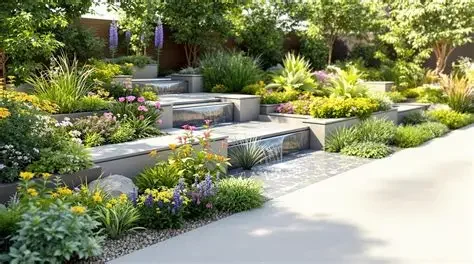
CREATING FLOW IN OUTDOOR SPACES
Flow in a garden is about guiding the eye and the body seamlessly through outdoor spaces. By layering plants, balancing symmetry with natural asymmetry, and connecting zones with pathways or focal points, a landscape feels both intentional and effortless. The goal is to create harmony—where every transition feels natural and every corner invites exploration.

USING CURVES VS STRAIGHT LINES IN GARDEN DESIGN
Garden design is a delicate balance between structure and flow. Straight lines bring order, discipline, and speed — perfect for entrances, lawns, and formal layouts. Curves, on the other hand, invite relaxation, curiosity, and a sense of discovery, guiding visitors through hidden pockets and layered plantings.
Overusing straight lines can make a garden feel cold and rigid, while too many curves risk creating confusion and disorientation. The key lies in aligning pathways, borders, and features with the architecture and overall vision, ensuring harmony rather than chaos.
Whether it’s a linear paving entrance or a curved stone path, each choice shapes not only the look of the garden but also the psychological response of those who experience it.
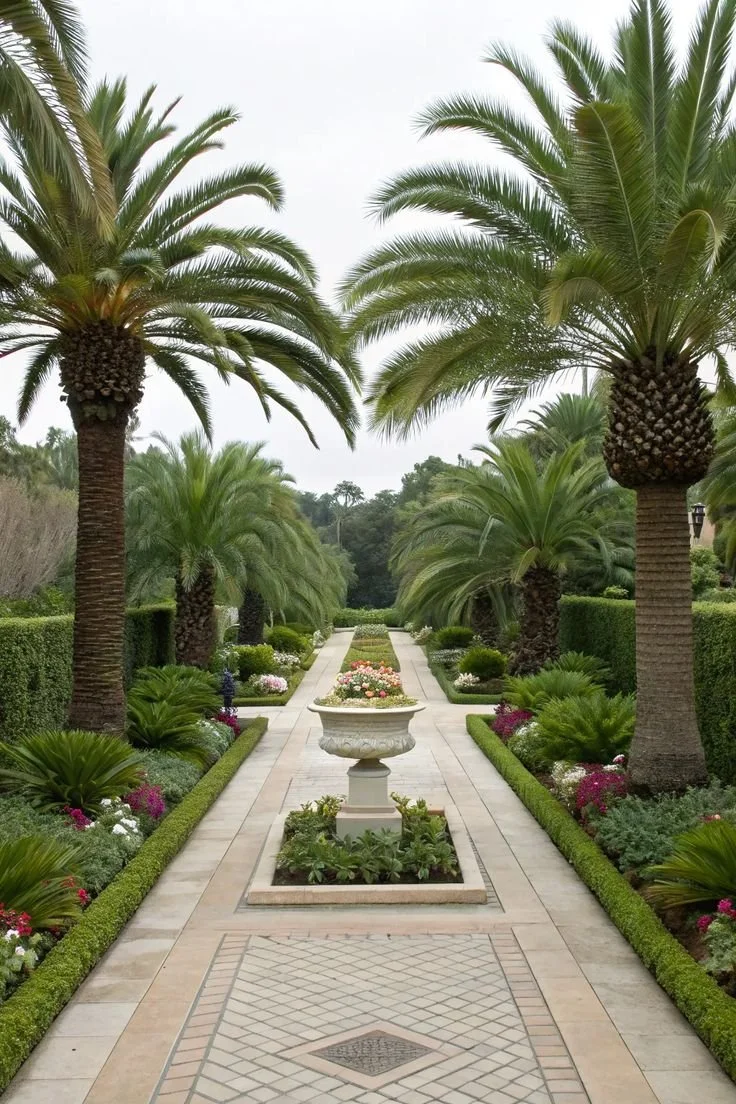
MODERN VS TROPICAL LANDSCAPE STYLES
Modern and tropical gardens may seem worlds apart, yet both offer powerful ways to shape outdoor living. Modern landscapes rely on clean geometry, neutral palettes, and structured layouts that evoke calm control. Tropical gardens, by contrast, immerse you in dense planting, vibrant tones, and organic forms that radiate lush relaxation. When blended thoughtfully, the two styles can create balanced luxury—where concrete paths meet layered palms, and minimal pergolas open onto immersive green canopies. The key lies in aligning structure with density, materials with mood, and zones with purpose, so your garden feels both intentional and alive.
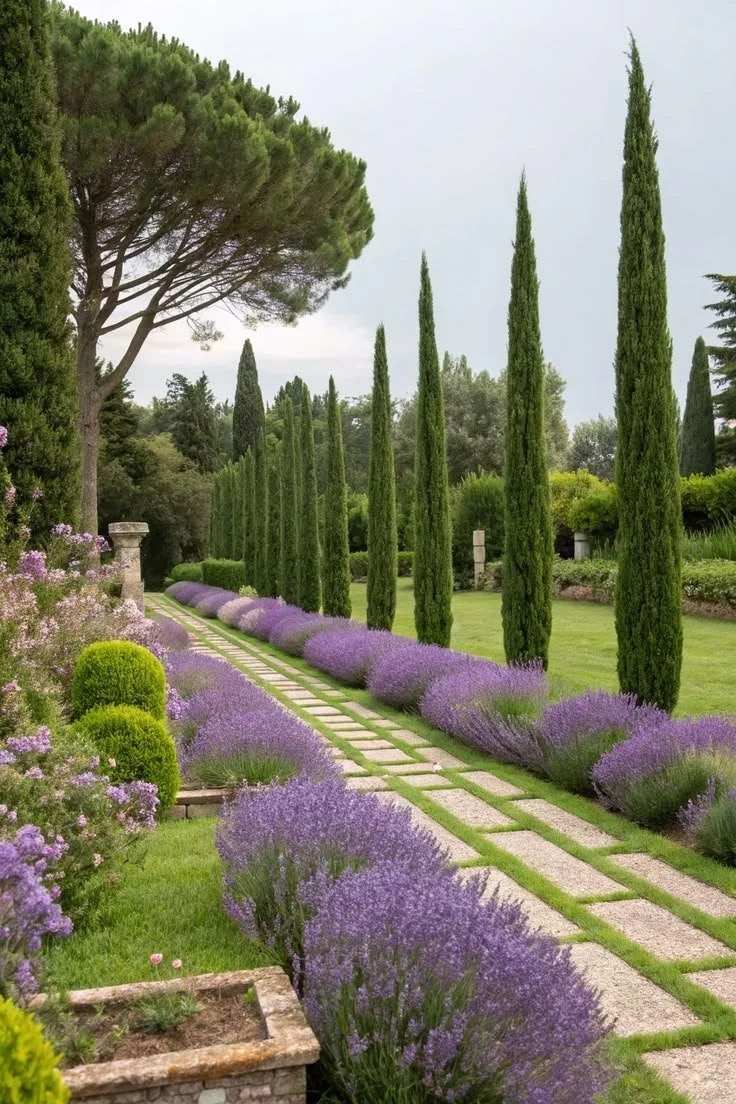
HOW TO CHOOSE A GARDEN THEME
Choosing a garden theme is more than picking plants—it’s about shaping an atmosphere that reflects lifestyle, climate, and personality. A minimalist garden thrives on clean geometry and low maintenance, while tropical designs invite lush layers and a sense of escape. Formal layouts convey prestige and order, cottage gardens radiate warmth and nostalgia, and Mediterranean styles embrace sun‑drenched leisure with drought‑resistant plants. Aligning your choices with budget, climate, and daily habits ensures not only beauty but also sustainability. The right theme transforms outdoor space into a living extension of your identity—controlled elegance, wild freedom, or relaxed luxury, all rooted in thoughtful design.

LOW-MAINTENANCE LANDSCAPE LAYOUTS
Designing a beautiful outdoor space doesn’t have to mean endless upkeep. With smart choices in plants, materials, and layout, you can create a garden that thrives with minimal effort. From drought‑tolerant greenery to functional zones and sustainable hardscapes, this guide shows how Sow to Glow transforms landscapes into stylish, low‑care retreats.
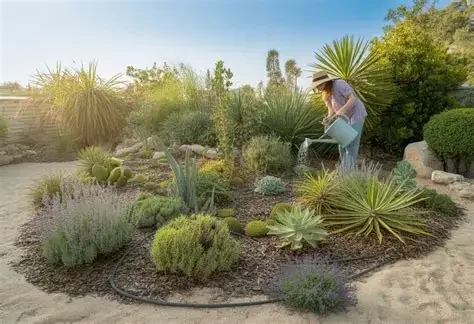
DESIGNING GARDENS FOR HOT CLIMATES
Gardening in hot climates requires smart strategies to beat the heat while keeping plants thriving. This guide explores shade solutions, drought‑tolerant species, and design techniques that turn challenging conditions into vibrant, sustainable landscapes. Sow to Glow shows you how to create beauty and resilience even under the sun.
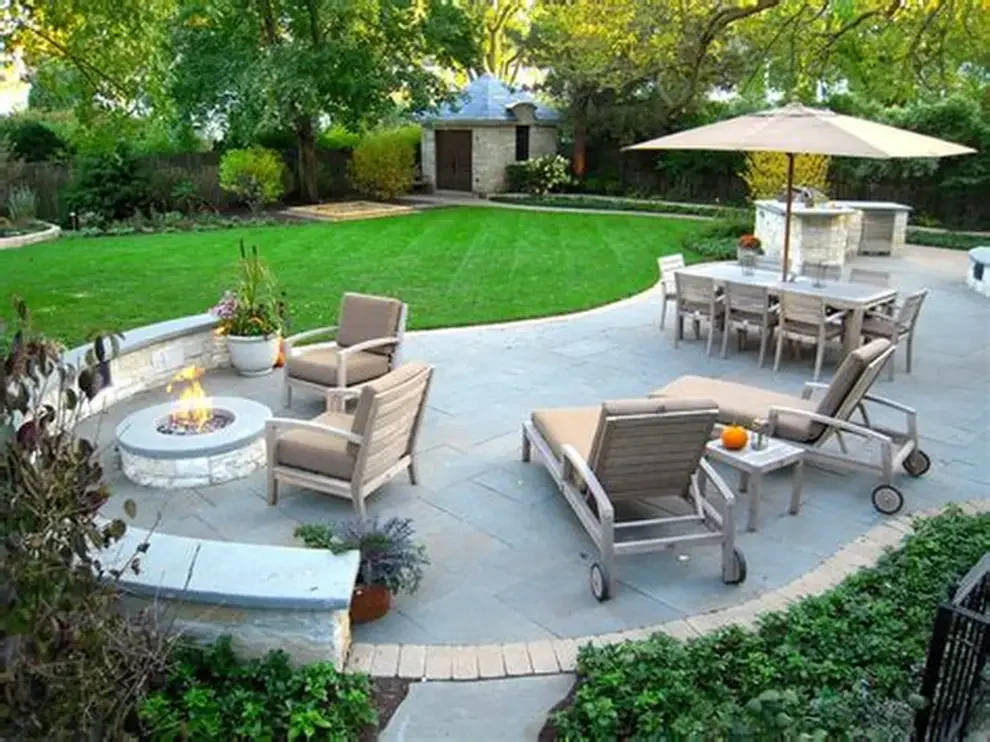
LANDSCAPE ZONING FOR FUNCTIONAL OUTDOOR SPACES
Transform your outdoor space into a functional haven with smart landscape zoning. This guide explores how to balance relaxation, play, and utility by organizing zones that suit your lifestyle. Sow to Glow shows you how thoughtful design can turn any yard into a cohesive, beautiful retreat.
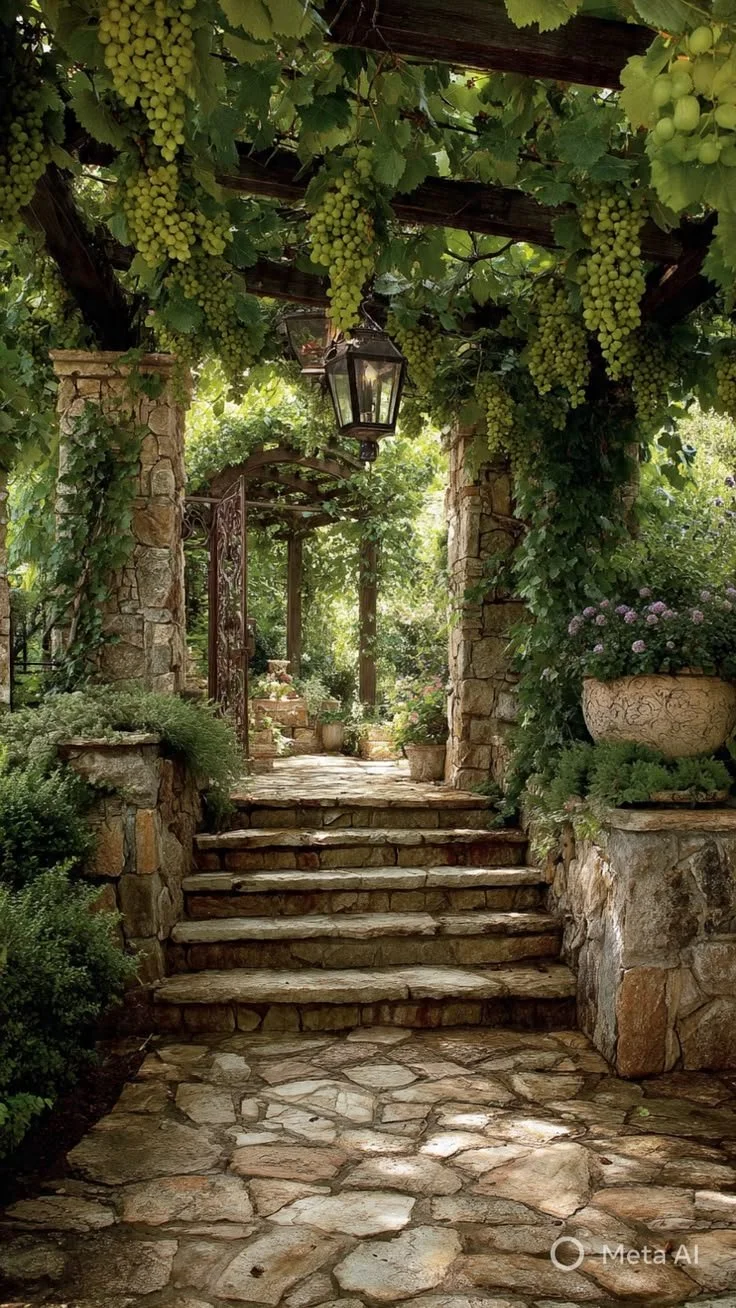
HOW TO PLAN A GARDEN FROM SCRATCH .
Starting a garden from scratch may feel overwhelming, but with the right approach it becomes a rewarding journey. From understanding sunlight and soil to working with existing features, this guide walks you through the essentials of site analysis and design. Whether you’re dreaming of a lush retreat or a practical green space, Sow to Glow helps you transform ideas into thriving landscapes.
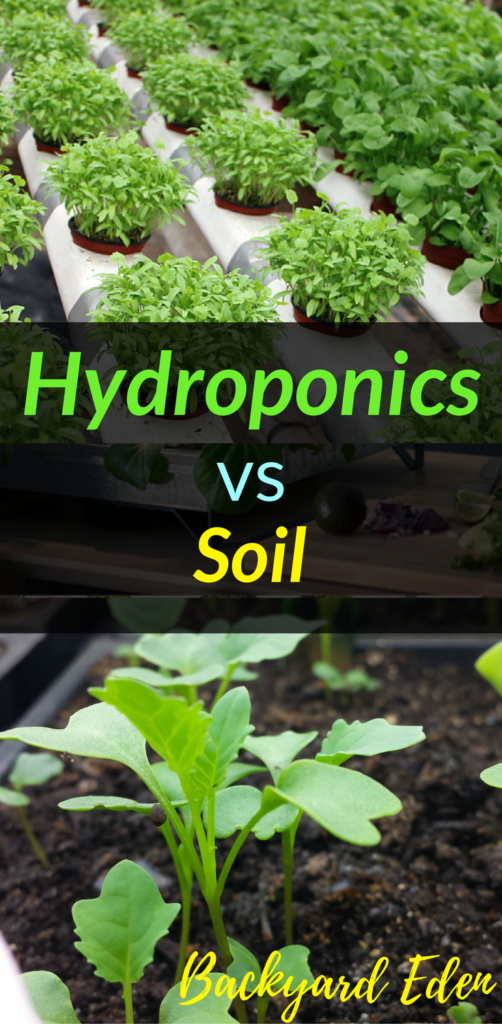
Hydroponics vs Soil: Which Is Better? A Detailed Comparison
Hydroponics or soil? Explore which growing method is more sustainable, efficient, and suitable for home, urban, or commercial farming.

URBAN FARMING
Discover inspiring urban farming success stories from cities worldwide, showcasing how innovative farms are transforming food systems and communities.

Eco-Friendly Pest Control: Natural Ways to Protect Your Home and Garden
Discover effective ways to manage pest populations in your home and garden using natural, eco-friendly methods. These approaches prioritize the safety of your living environment, your plants, and your pets, while also being kind to the planet. By utilizing non-toxic strategies, you can effectively deter unwanted insects and rodents without resorting to harmful chemicals. Explore various techniques, such as introducing beneficial insects, using homemade repellent sprays, implementing physical barriers, and employing natural deterrents, to create a pest-free space that promotes health and sustainability.
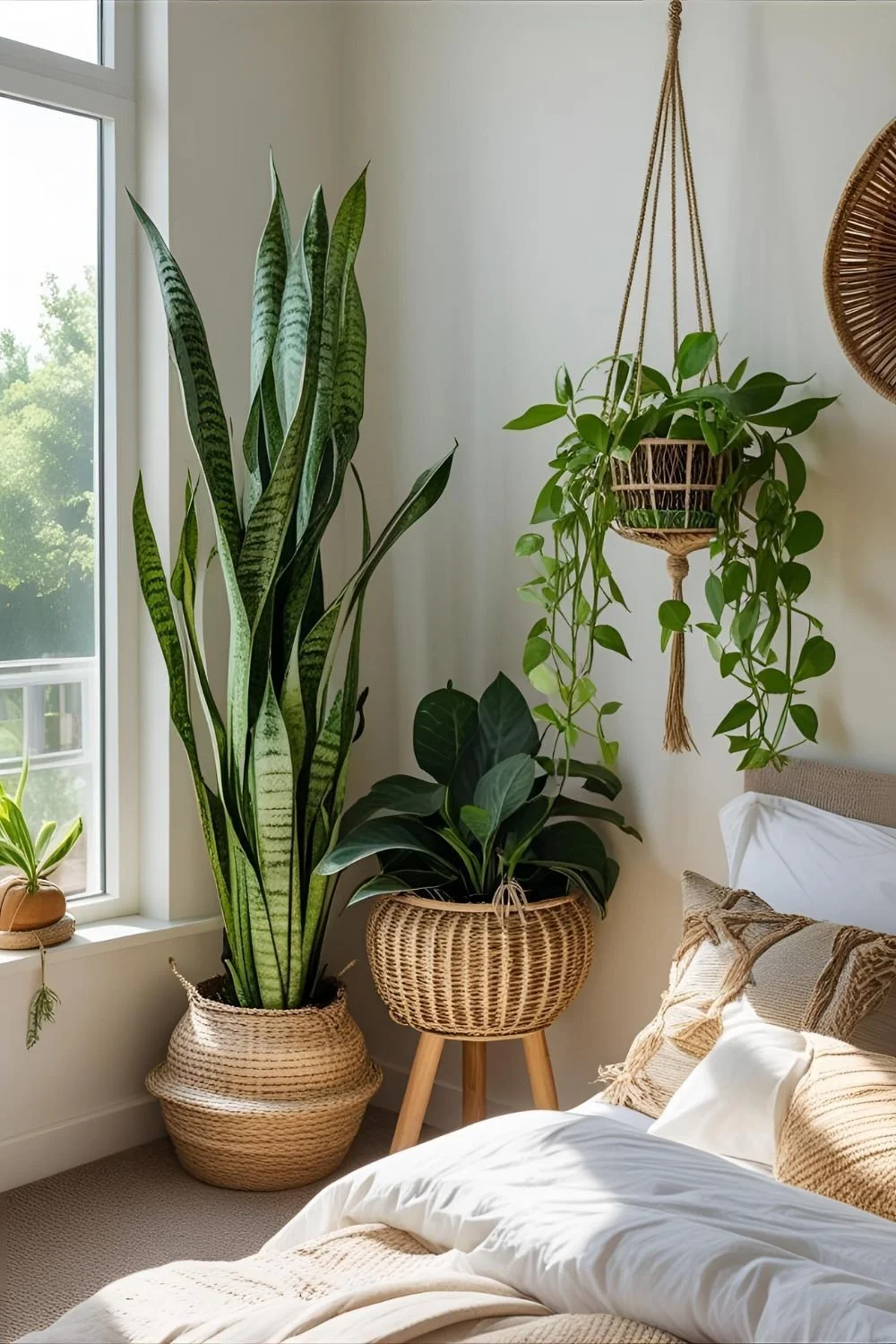
Top Indoor Plants for Air Quality: The Best Houseplants to Clean and Refresh Your Home
Improve your home’s air quality with indoor plants like snake plant, spider plant, and peace lily. These natural air purifiers filter toxins and refresh your living space.
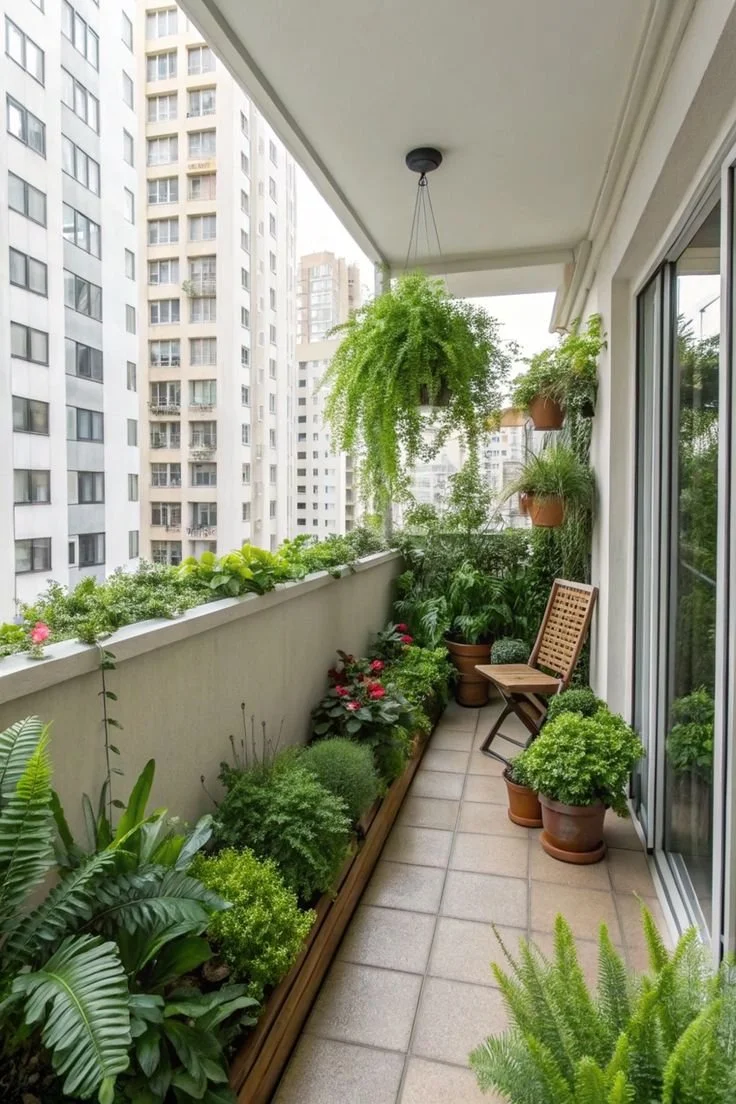
How to Style Your Balcony or Patio with Greenery
Transform your balcony or patio into a lush retreat with greenery! From vertical gardens to hanging baskets, discover stylish ways to bring nature into your outdoor living space.