
LAYERING PLANTS FOR DEPTH
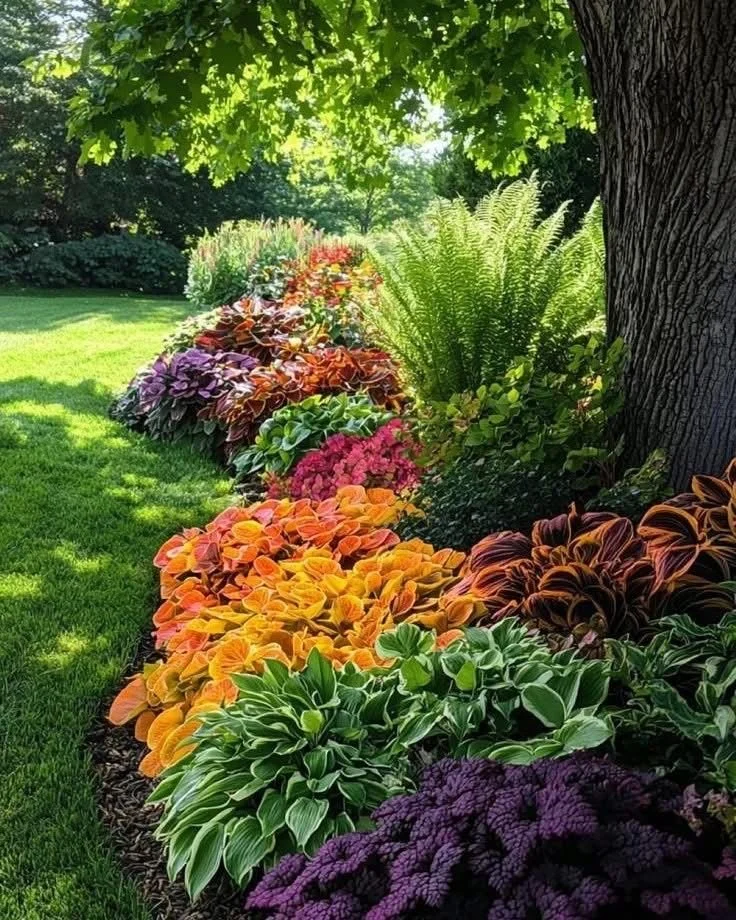
Introduction: Why Some Gardens Feel Flat and Others Feel “Alive”
Have you ever walked into a garden that felt… flat?
Even if the plants are healthy, well-trimmed, and expensive, something still feels missing. Then you walk into another garden and instantly feel depth, richness, and immersion—almost like the space pulls you in.
The difference is not the number of plants.
It is layering.
Plant layering is the technique of arranging vegetation in vertical and horizontal tiers so the landscape feels three-dimensional instead of flat.
In professional landscape design, layering is what creates:
depth
texture
privacy
natural richness
visual movement
This blog breaks down how to build plant layers like a landscape architect using structured tiers, density systems, and spatial logic.
1. What Is Plant Layering in Landscape Design?
Plant layering is the intentional arrangement of plants in different heights and densities to create visual depth.
Simple definition:
Layering is the vertical stacking of plants to create a natural sense of depth and structure.
Without layering:
Flat line of shrubs → Flat background → Empty top spaceResult:
visually weak
exposed
unfinished feel
With layering:
Tall Trees → Mid Shrubs → Groundcovers → Open PathsResult:
rich depth
immersive feel
natural flow
2. The Four Core Planting Layers
Every well-designed garden uses a 4-tier system.
1. Canopy Layer (Upper Structure)
This is the tallest layer of the garden.
Includes:
trees
tall palms
large shade plants
Function:
provides shade
defines structure
frames the entire garden
2. Mid Layer (Shrub Layer)
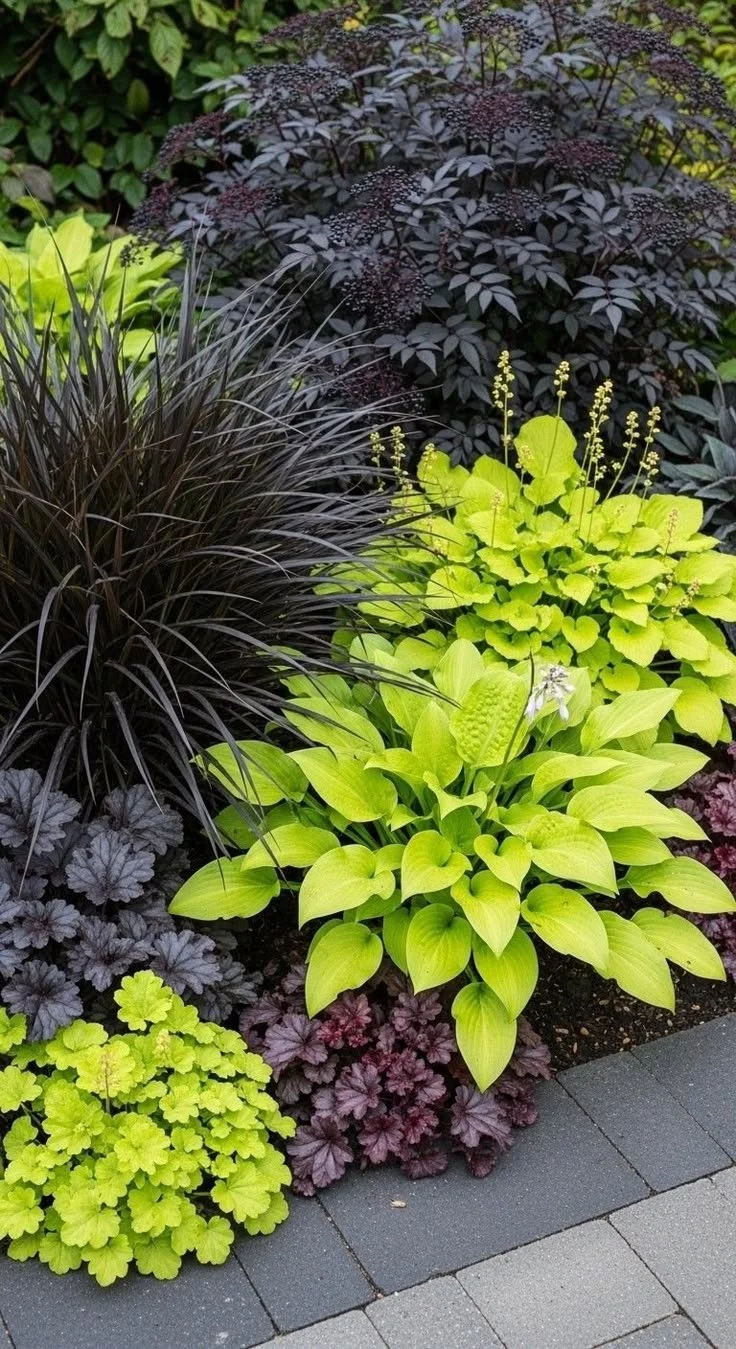
This is the visual body of the garden.
Includes:
shrubs
flowering bushes
medium plants
Function:
fills space
adds color and volume
creates visual mass
3. Ground Layer (Base Layer)
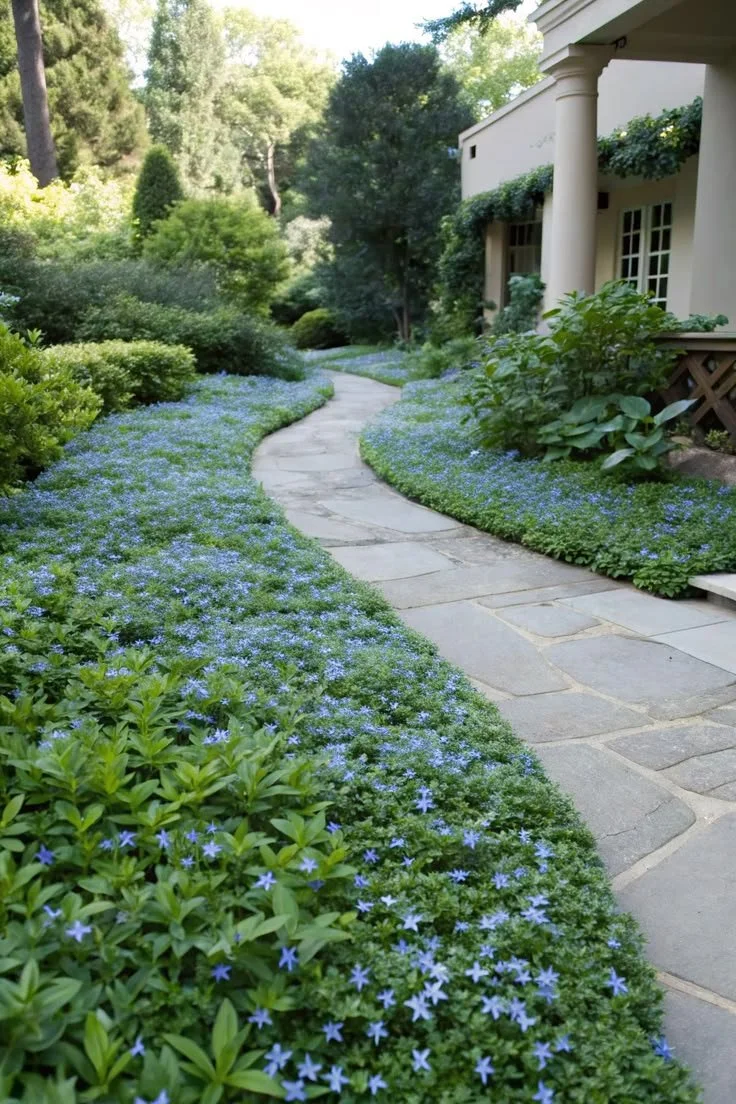
This layer connects plants to the soil visually.
Includes:
grass
groundcovers
low spreading plants
Function:
suppresses weeds
softens edges
creates continuity
4. Accent Layer (Detail Layer)

This is the “highlight” layer.
Includes:
flowering clusters
sculptural plants
seasonal highlights
Function:
adds visual interest
creates focal variation
breaks monotony
Full layering diagram:
   🌳 Canopy Layer
     🌿 Mid Layer
       🌱 Ground Layer
         🌾 Accent Layer
3. Why Layering Creates Depth
Depth in landscape design is a visual illusion created by overlapping plant heights and textures.
Without layering:
everything is visible at once
no sense of distance
flat composition
With layering:
foreground hides midground
midground partially reveals background
background creates mystery
Depth illusion diagram:
Foreground → Mid Layer → Background → Hidden Garden Core4. Vertical Structure Systems
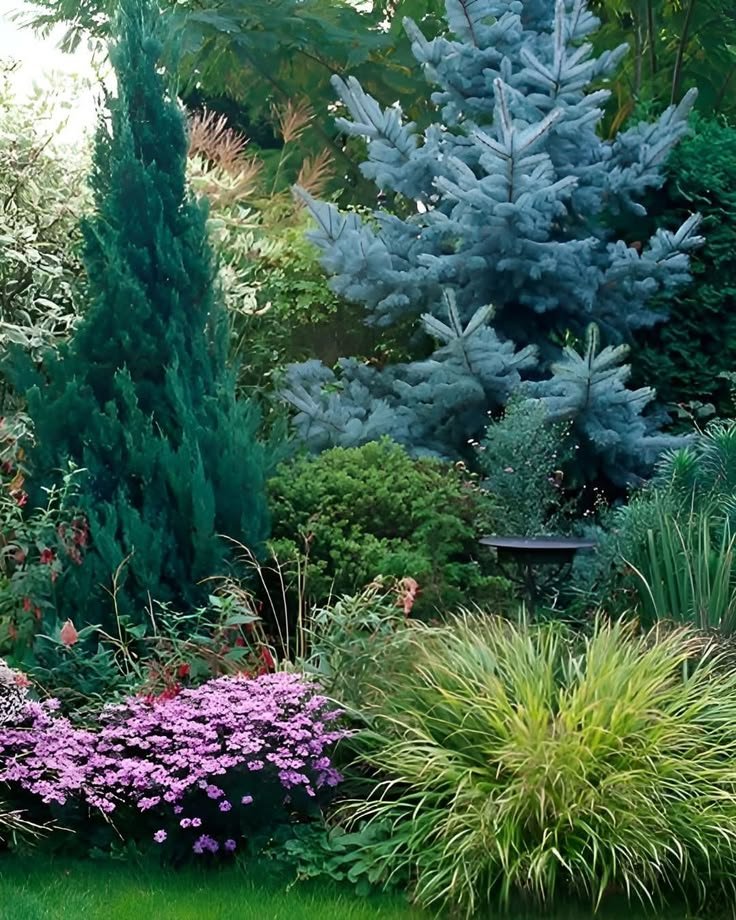
Vertical structure is how height is distributed in the garden.
Ideal height progression:
| Layer | Height Range |
|---|---|
| Ground layer | 0–0.5m |
| Mid layer | 0.5–2m |
| Canopy layer | 3m+ |
Vertical structure diagram:
     🌳 Trees (High)
   🌿 Shrubs (Medium)
 🌱 Groundcover (Low)
Key principle:
Always transition gradually from low to high—not abruptly.
5. Visual Density Systems
Density refers to how tightly plants are grouped.
Density types:
| Density Type | Effect |
|---|---|
| High density | Jungle-like, immersive |
| Medium density | Balanced, structured |
| Low density | Minimal, open |
Density distribution chart:
High Density:   █████████ Tropical zones
Medium Density: ██████ Mixed gardens
Low Density:    ███ Minimalist gardens
Design Principle:
In urban and landscape planning, it is essential to consider the distribution of density within different zones. Specifically, density should be strategically increased in private areas, such as residential neighborhoods and exclusive facilities, to foster community interaction and a sense of intimacy. Conversely, in open zones, such as parks, public plazas, and recreational areas, density should be decreased. This approach promotes spaciousness and accessibility, allowing for greater movement, leisure activities, and the enjoyment of natural surroundings. By balancing these density levels, we can create harmonious environments that support both private living and public engagement.
6. Layering for Different Garden Styles
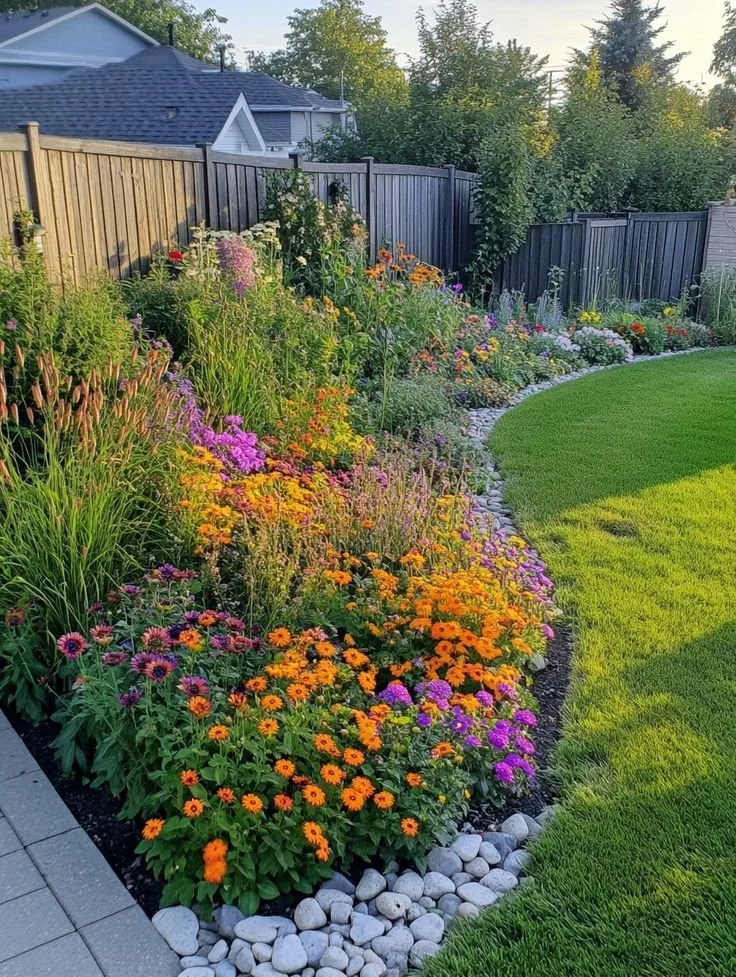
Layering plays a crucial role in creating depth and visual interest in a garden, but its application can vary significantly depending on the design style. For instance, in a formal garden, layering often involves structured arrangements of plants and shrubs, meticulously placed to emphasize symmetry and balance. This approach can create a sense of order and elegance.
In contrast, cottage gardens embrace a more relaxed and spontaneous layering technique, utilizing a mix of flowering plants and foliage arranged in a seemingly haphazard yet harmonious fashion. This style encourages a riot of colors and textures, fostering a lush, inviting atmosphere.
Modern gardens, on the other hand, tend to lean towards minimalism. Here, layering may involve using fewer plant varieties, often with bold architectural forms or striking foliage. The emphasis is placed on clean lines and open spaces, allowing each element to stand out while still contributing to a cohesive overall look.
Understanding how to effectively layer plants, whether through height variations, diverse plant textures, or contrasting colors, is essential for achieving the desired impact across different garden styles. Each style offers unique opportunities for creative expression through layering, ultimately enhancing the garden’s aesthetic appeal.
Tropical gardens
very high density
strong overlap of layers
minimal open space
Structure:
Canopy + dense mid + dense ground + accents
Modern gardens
controlled layering
clean separation between tiers
minimal overlap
Structure:
Defined canopy + spaced shrubs + clean ground plane
Naturalistic gardens
irregular layering
soft transitions
mixed density zones
Structure:
Variable canopy + drifting shrubs + patchy groundcover
7. Plant Positioning Logic
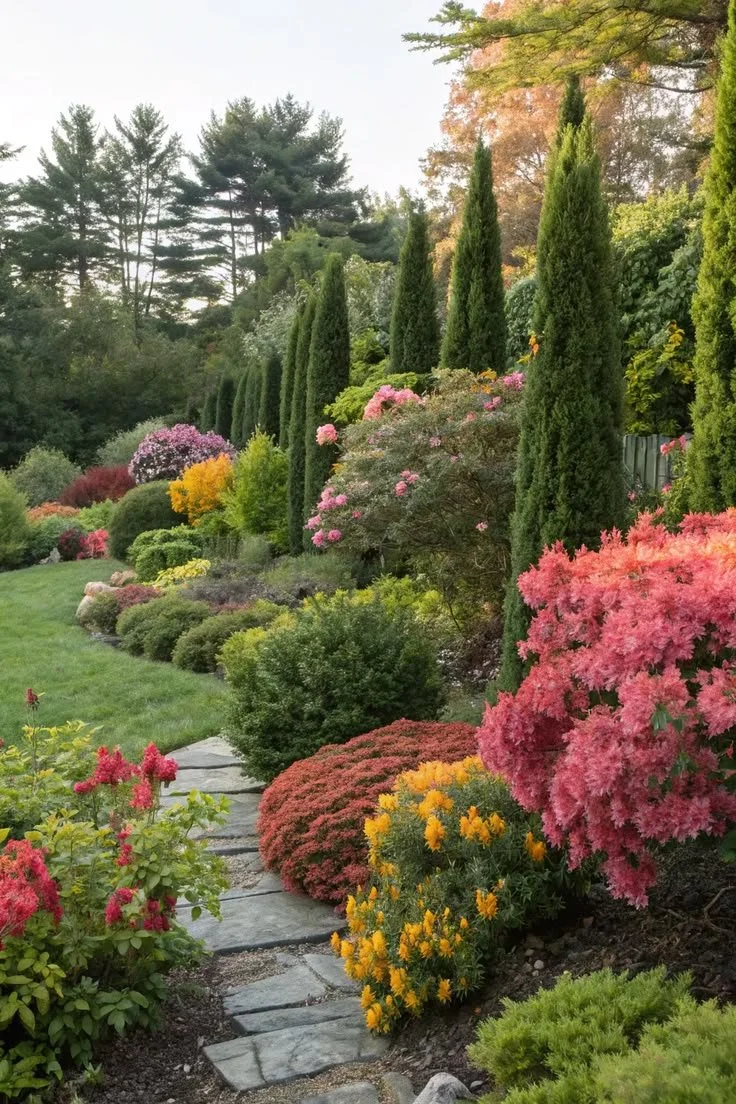
The arrangement of plants is a deliberate process, governed by specific spatial guidelines rather than arbitrary choices. Each layer within a garden or landscape serves a purpose and is strategically placed to optimize growth, light exposure, and aesthetic appeal. Considerations such as plant height, spread, and growth habits play a crucial role in determining the positioning of each species, ensuring that taller plants do not overshadow shorter ones, while still allowing enough space for air circulation and ease of access for maintenance. This methodical layering fosters a harmonious environment that promotes biodiversity and maximizes the overall health of the garden.
Positioning rules:
1. Tall plants at the back
Position tall plants at the back or along the focal edges of your design. This placement helps create a sense of depth and layering within the space, drawing the eye through the arrangement. The taller plants act as a backdrop, framing the scene and enhancing the visual interest by contrasting with shorter plants in the foreground. This strategic arrangement can make the overall composition feel more dynamic and inviting.
2. Medium plants in the middle
Position medium-sized plants strategically in the middle of the space to enhance visual balance. These plants serve as a vital link between the architectural elements of the surrounding structures and the ground level, fostering a seamless transition that complements both the aesthetic and structural design. Their height and foliage provide depth and texture, drawing the eye while maintaining a sense of cohesion within the overall landscape.
3. Low plants at the front
Incorporating low-growing plants at the front of a garden or landscape design helps to create a softening effect on edges and transitions. These plants act as a visual buffer, blending the harsh lines of walkways or raised beds into the surrounding environment. By using a variety of textures and colors in these lower plants, you can enhance the overall aesthetic, making the space feel more inviting and harmonious. Additionally, they can serve practical purposes, such as preventing soil erosion and providing habitat for beneficial insects, contributing to the health of the garden as a whole.
Positioning diagram:
Back:    Trees
Middle:  Shrubs
Front:   Groundcovers
8. Overlapping Layers: The Key to Creating Lush, Natural Gardens
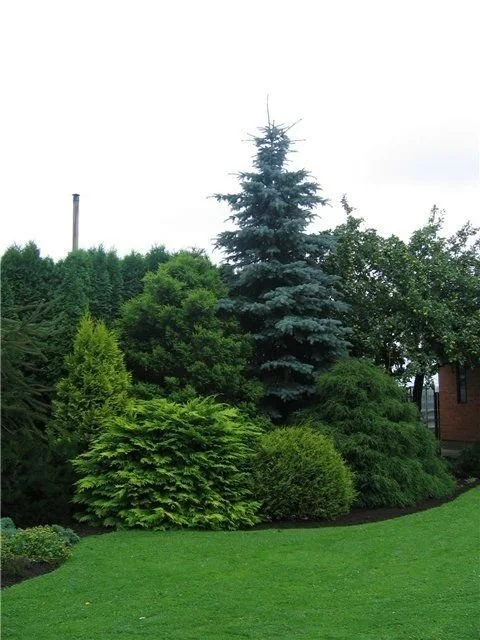
One of the essential elements that contribute to the vibrant feel of a natural garden is the technique of overlapping layers. In these gardens, various plants are arranged in a way that they overlap slightly, creating a sense of depth and richness. This layering mimics the way plants grow in nature, where taller species provide shade for shorter ones, and ground covers fill in the spaces in between. By strategically placing shrubs, perennials, and annuals at varying heights, gardeners can achieve a visually appealing and harmonious blend of textures and colors. This approach not only enhances the aesthetic allure of the garden but also encourages biodiversity, making it a thriving habitat for wildlife. Overall, embracing overlapping layers is a secret ingredient in designing gardens that feel alive and interconnected.
Overlap effect:
shrubs grow slightly into paths
groundcovers spill into hardscape edges
tree shadows fall over planting beds
Overlap diagram:
Tree Shadow → Shrub Overlap → Path Edge → Groundcover SpillKey idea:
The central concept here is that achieving a perfect separation often comes across as contrived or forced. In contrast, a slight overlap between elements tends to create a more organic and relatable experience. When boundaries are too rigid, they can create a sense of discomfort or disconnection, whereas a gentle blending of characteristics or ideas allows for a more fluid and natural interaction, making transitions smoother and more appealing. This subtler approach fosters a sense of harmony and resonance, where different aspects can coexist and complement one another effectively.
9. Layering for Privacy Design
Layering is one of the strongest privacy tools in landscape design.
Privacy layering system:
| Layer | Function |
|---|---|
| Trees | Visual block |
| Shrubs | Mid-level screening |
| Groundcovers | Base concealment |
Privacy diagram:
Tall Trees → Dense Shrubs → Soft Groundcover → Hidden Space10. Interaction of Lighting and Layering
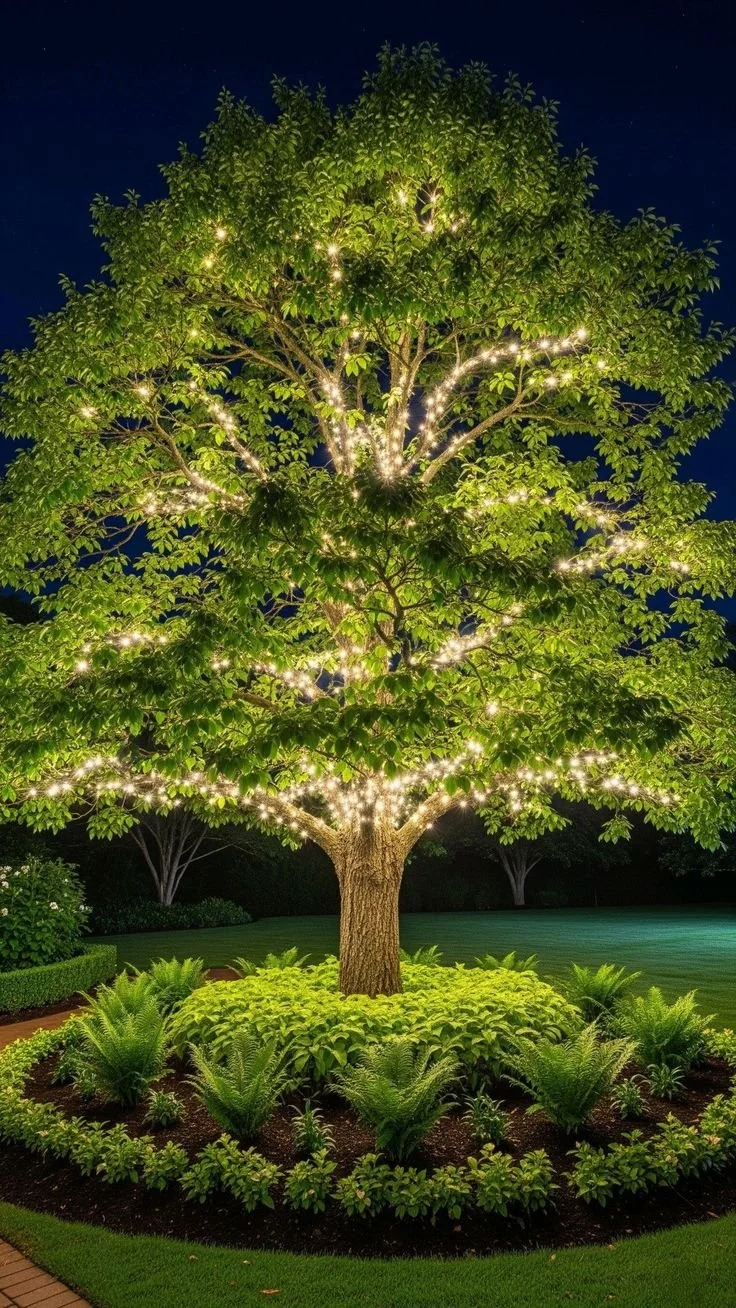
At night, the strategic use of lighting plays a pivotal role in enhancing the visual depth of layered designs. When carefully implemented, lighting can illuminate various elements, drawing attention to textures and shapes while casting intriguing shadows that create a sense of dimension. This interplay between light and layering not only adds aesthetic appeal but also contributes to the overall ambiance of the space, transforming a flat environment into one that feels vibrant and multi-dimensional. By highlighting certain layers and subtly downplaying others, effective lighting can guide the viewer's eye, emphasizing the architectural features or décor elements that contribute to a dynamic and engaging nighttime experience.
Lighting strategy by layer:
| Layer | Lighting Type |
|---|---|
| Canopy | Uplighting |
| Mid layer | Soft wash lighting |
| Ground layer | Path lighting |
| Accents | Spotlights |
Night layering effect:
Light → Shadow → Highlight → Depth → Mystery11. Common Mistakes in Plant Layering
| Mistake | Result |
|---|---|
| All plants same height | Flat garden |
| No ground layer | Exposed soil |
| Overcrowded canopy | Blocked light |
| Random spacing | Visual chaos |
| No vertical transition | Harsh composition |
12. Real-World Layered Garden Example
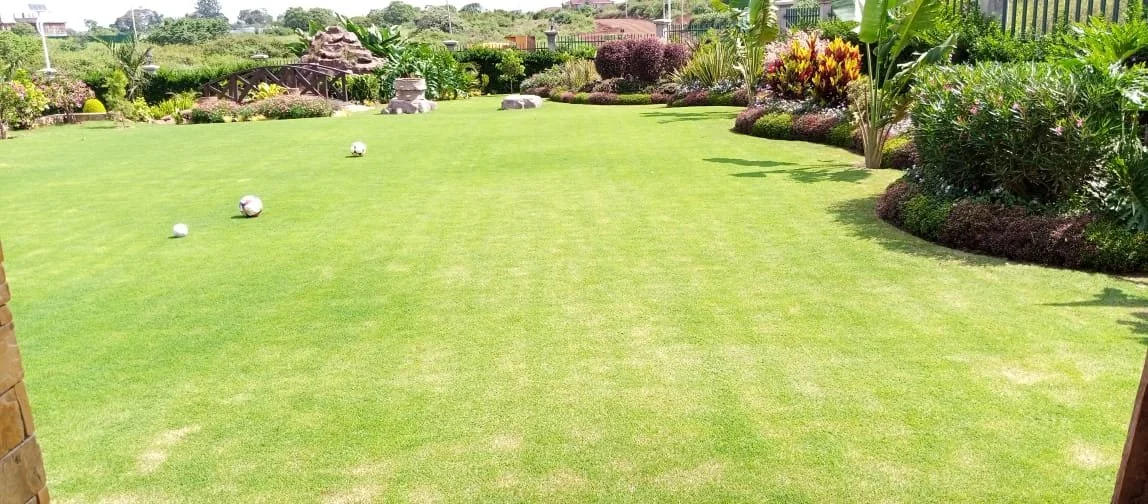
Residential garden layering plan:
| Zone | Layer Strategy |
|---|---|
| Entrance | Medium shrubs + accent plants |
| Lawn area | Open ground + scattered trees |
| Seating area | Canopy shade + mid shrubs |
| Boundary | Dense vertical layering |
Result:
A garden that immerses visitors in a multi-dimensional experience, offering depth and structure that can be appreciated from every vantage point. Each angle reveals a new layer of beauty, encouraging exploration and engagement.
13. Advanced Concept: Layered Movement Design
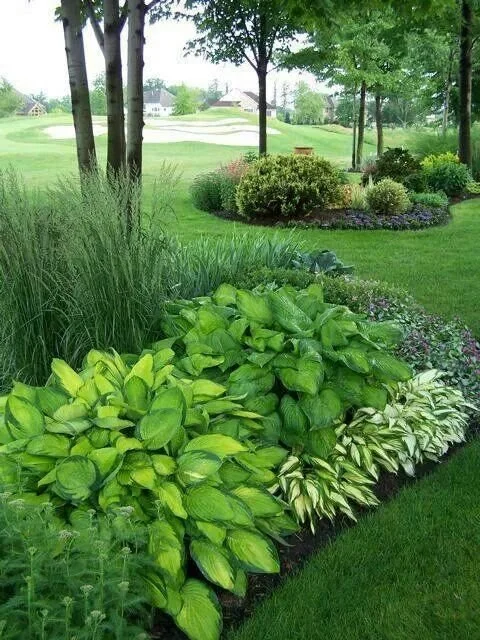
The idea of layering transcends the visual; it also plays a crucial role in how individuals navigate and experience the space.
Movement Layering:
This approach involves orchestrating pathways and elements within the garden to create a dynamic flow, guiding visitors through a carefully curated journey.
Effect:
Controlled Discovery: By designing pathways that lead seamlessly from one area to another, visitors are encouraged to wander and uncover hidden gems at their own pace, fostering a sense of curiosity and delight.
Emotional Progression: Each layer and transition within the garden is intended to evoke specific feelings, guiding visitors through a spectrum of emotions as they move from serene corners to vibrant, energetic spaces.
Spatial Storytelling: The arrangement of plants, structures, and materials weaves together a narrative that unfolds with each step taken, allowing visitors to engage with the garden not just visually but also emotionally, as they become part of its story.
Conclusion: Depth Is Built, Not Planted
A beautiful garden is not defined by individual plants—it is defined by how those plants are layered together in space.
When layering is done correctly, a garden becomes:
visually rich
emotionally immersive
naturally structured
spatially deep
Without layering, even expensive landscapes feel flat.
With layering, even simple plants feel luxurious.
Depth is not accidental—it is engineered through structure, height, and density.
