
Top Indoor Plants for Air Quality: The Best Houseplants to Clean and Refresh Your Home
Creating a healthy home doesn’t always mean buying expensive purifiers or installing complex systems. Sometimes, the most powerful transformation comes from something as simple as adding a few indoor plants. Indoor plants do more than beautify your space—they actively filter the air, remove toxins, boost oxygen, and even improve your mood. Whether you live in a small apartment or a spacious home, the right plants can dramatically enhance your indoor environment.
In this guide, we explore the top indoor plants for air quality, why they matter, and how to care for them. If you're looking to breathe easier and elevate your space naturally, you’ll find the perfect plant for every room.
Why Indoor Plants Matter for Air Quality
Indoor air often contains pollutants like:
Benzene (from paints, plastics, and cigarette smoke)
Formaldehyde (from furniture, cleaning products, and fabrics)
Xylene and Toluene (from adhesives and solvents)
Carbon monoxide
Mold spores
These pollutants can cause headaches, allergies, low energy, eye irritation, and long-term respiratory issues. The good news is: certain indoor plants absorb these toxins through their leaves and roots, making them natural, sustainable air filters.
NASA’s Clean Air Study—one of the most cited studies in this field—identified several plants that significantly improve air quality.
Let’s dive into the best ones for your home.
Best Indoor Plants for Air Purification
1. Snake Plant (Sansevieria)

Why It’s Great:
Removes benzene, formaldehyde, xylene, and trichloroethylene
Releases oxygen at night (rare among plants)
Extremely hardy and tolerates low light
Perfect for beginners or busy homeowners
The snake plant is one of the easiest indoor plants to keep alive. Even if you forget to water it for weeks, it will still look perfect. Place it in your bedroom, office, hallway, or any low-light corner.
Care Tips:
Water once every 2–3 weeks
Avoid overwatering—it prefers dry soil
Thrives in indirect light but can handle shade
2. Peace Lily (Spathiphyllum)
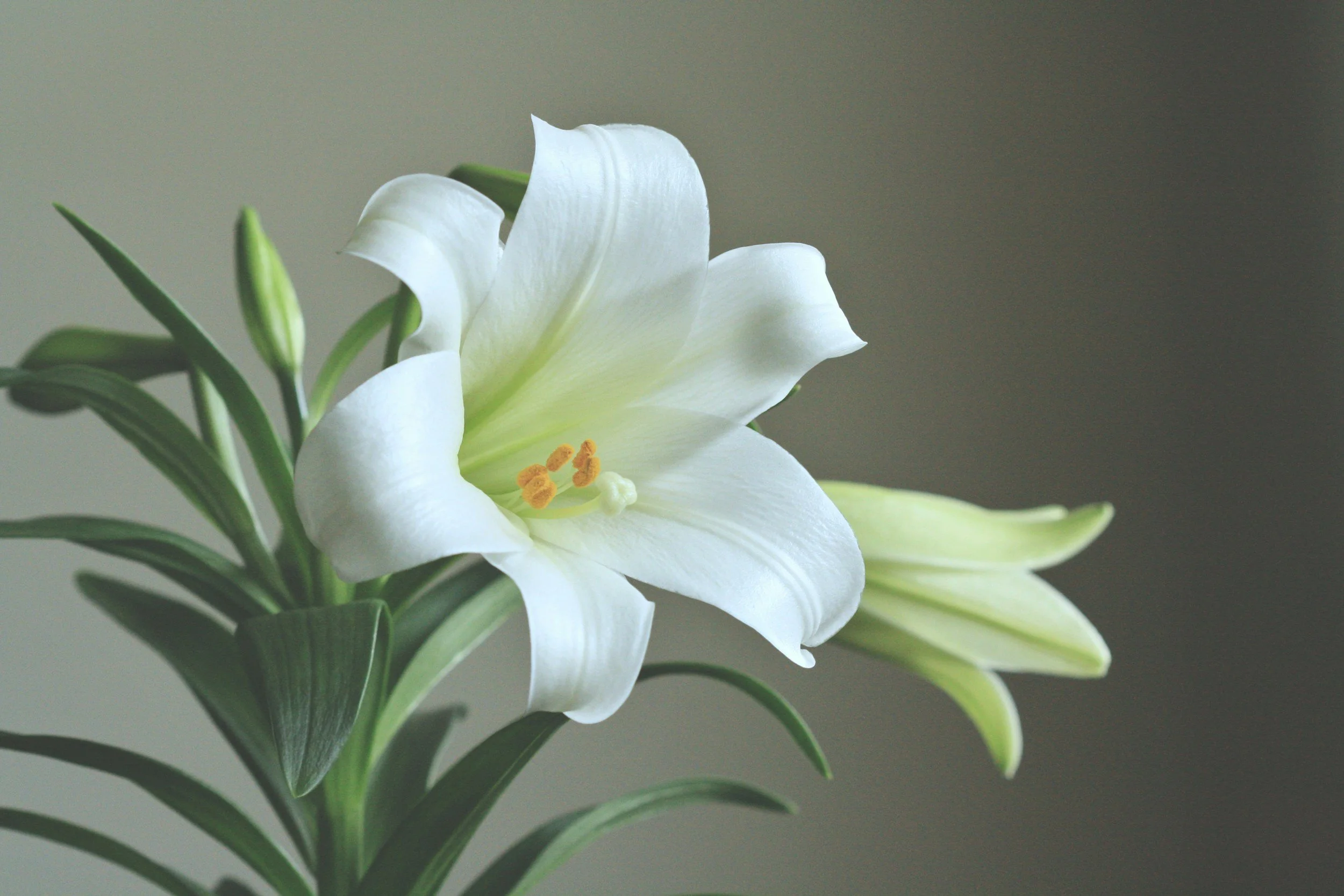
Why It’s Great:
Filters mold spores and VOCs
Boosts humidity
Has elegant white blooms
Ideal for bathrooms, bedrooms, and living rooms
Peace lilies are known for their striking flowers and their ability to purify indoor air effectively. They naturally reduce moisture-related pollutants and are perfect for rooms with inadequate ventilation.
Care Tips:
Medium, filtered light
Water weekly—soil should stay slightly moist
Wipe leaves regularly to remove dust
3. Spider Plant (Chlorophytum comosum)
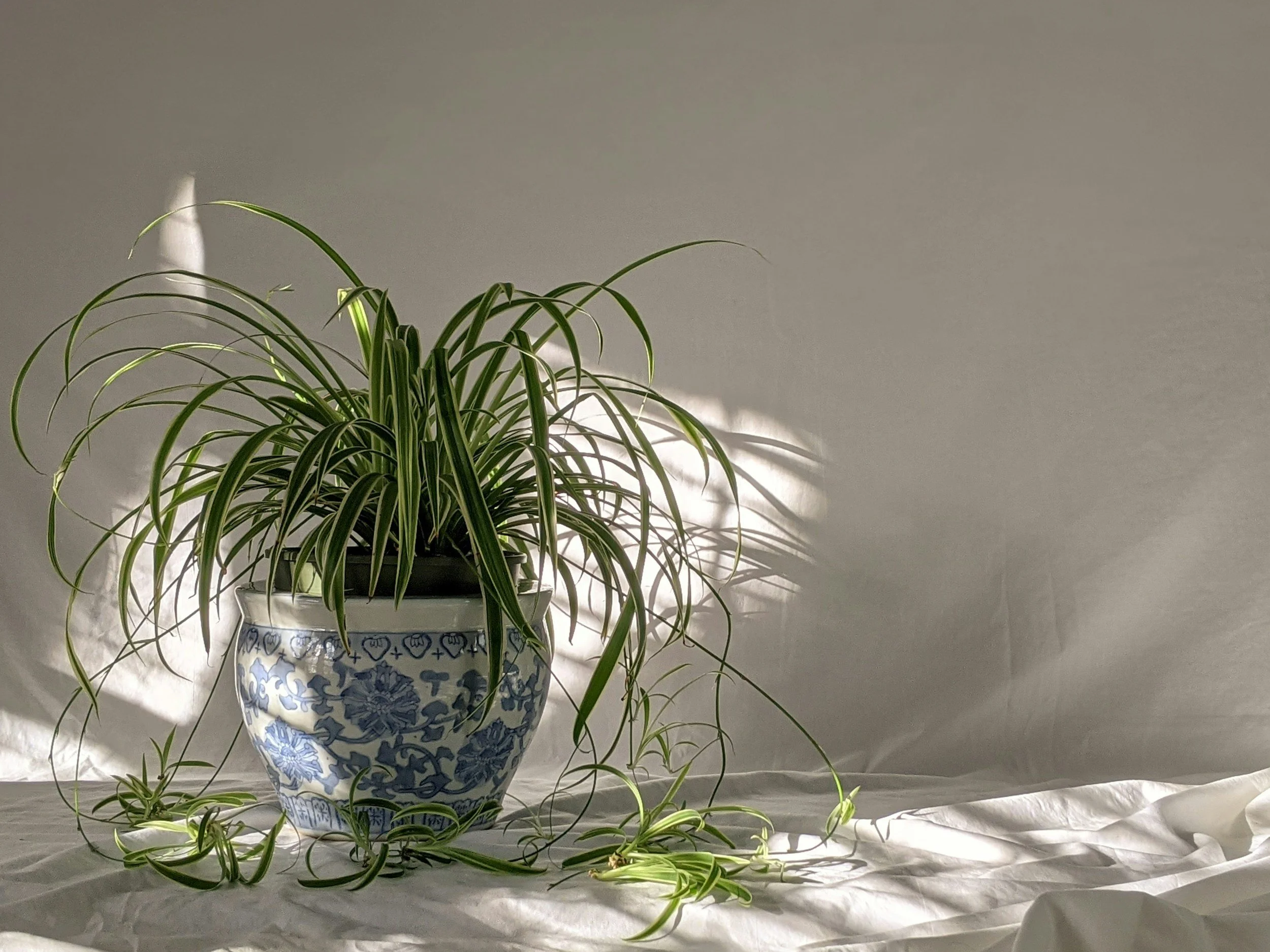
Why It’s Great:
Removes carbon monoxide and formaldehyde
Safe for pets
Very easy to propagate
Great for hanging baskets and shelves
Spider plants grow quickly, adapt well to different environments, and are especially good for homes near busy roads or areas with poor air circulation.
Care Tips:
Bright, indirect light
Water when the top inch of soil dries
Trim brown leaf tips to keep it tidy
4. Aloe Vera
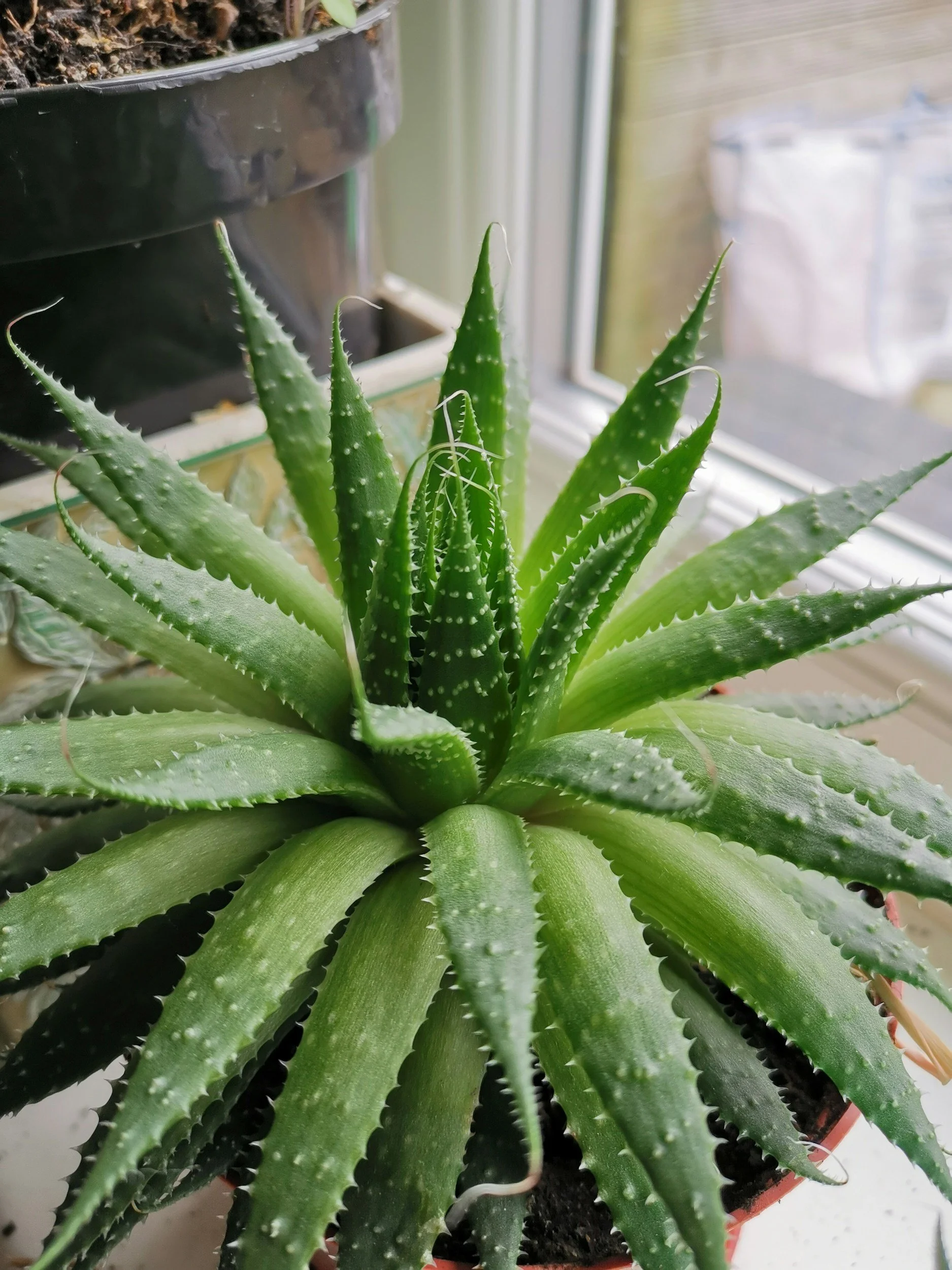
Why It’s Great:
Filters benzene and formaldehyde
Gel helps treat burns, cuts, and skin irritation
Very low-maintenance
Ideal for sunny windowsills
Aloe vera is both decorative and functional. Apart from cleaning the air, it serves as a natural skincare remedy. It’s especially great for kitchens where minor burns may occur.
Care Tips:
Needs plenty of sunlight
Water only when completely dry
Use cactus or succulent soil
5. Areca Palm (Dypsis lutescens)

Why It’s Great:
One of the best natural humidifiers
Removes xylene and toluene
Adds a luxurious tropical feel
Perfect for large rooms
If your indoor air feels dry—especially during cold or dusty seasons—an Areca Palm can significantly increase humidity. It’s stunning and makes a great statement piece.
Care Tips:
Bright, filtered light
Water regularly but avoid soggy soil
Mist the leaves to maintain shine
6. ZZ Plant (Zamioculcas zamiifolia)
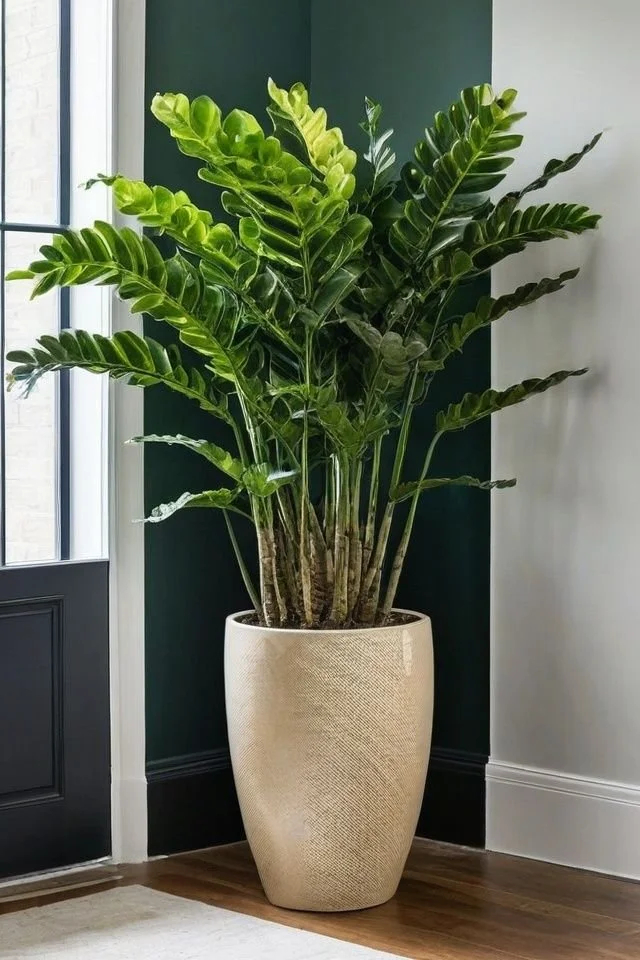
Why It’s Great:
Tolerates low light better than most plants
Removes toxins like xylene and toluene
Super hardy and drought-resistant
The ZZ plant thrives with minimal effort and is perfect for offices, corridors, and low-light bedrooms.
Care Tips:
Water every 2–3 weeks
Avoid direct, harsh sunlight
Use well-draining soil
7. Bamboo Palm (Chamaedorea seifrizii)
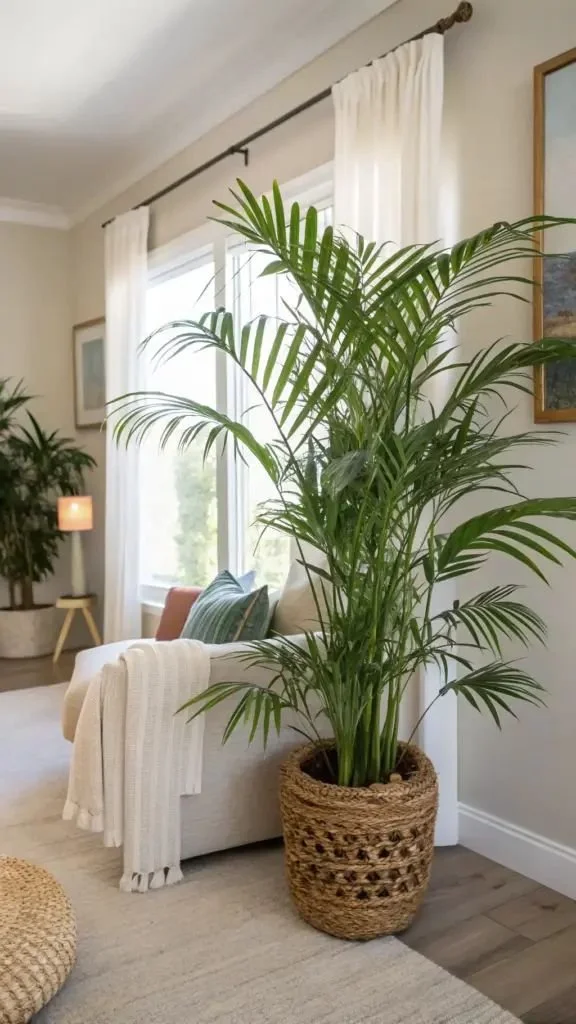
Why It’s Great:
Filters benzene, formaldehyde, and trichloroethylene
Adds height and structure to interiors
Non-toxic to pets
If you want a statement plant that’s both beautiful and functional, the bamboo palm is an excellent choice.
Care Tips:
Medium light
Keep soil moist but not waterlogged
Prune dead fronds to maintain shape
Where to Place Your Indoor Air-Purifying Plants

Living Room
Areca Palm
Snake Plant
Peace Lily
Bedroom
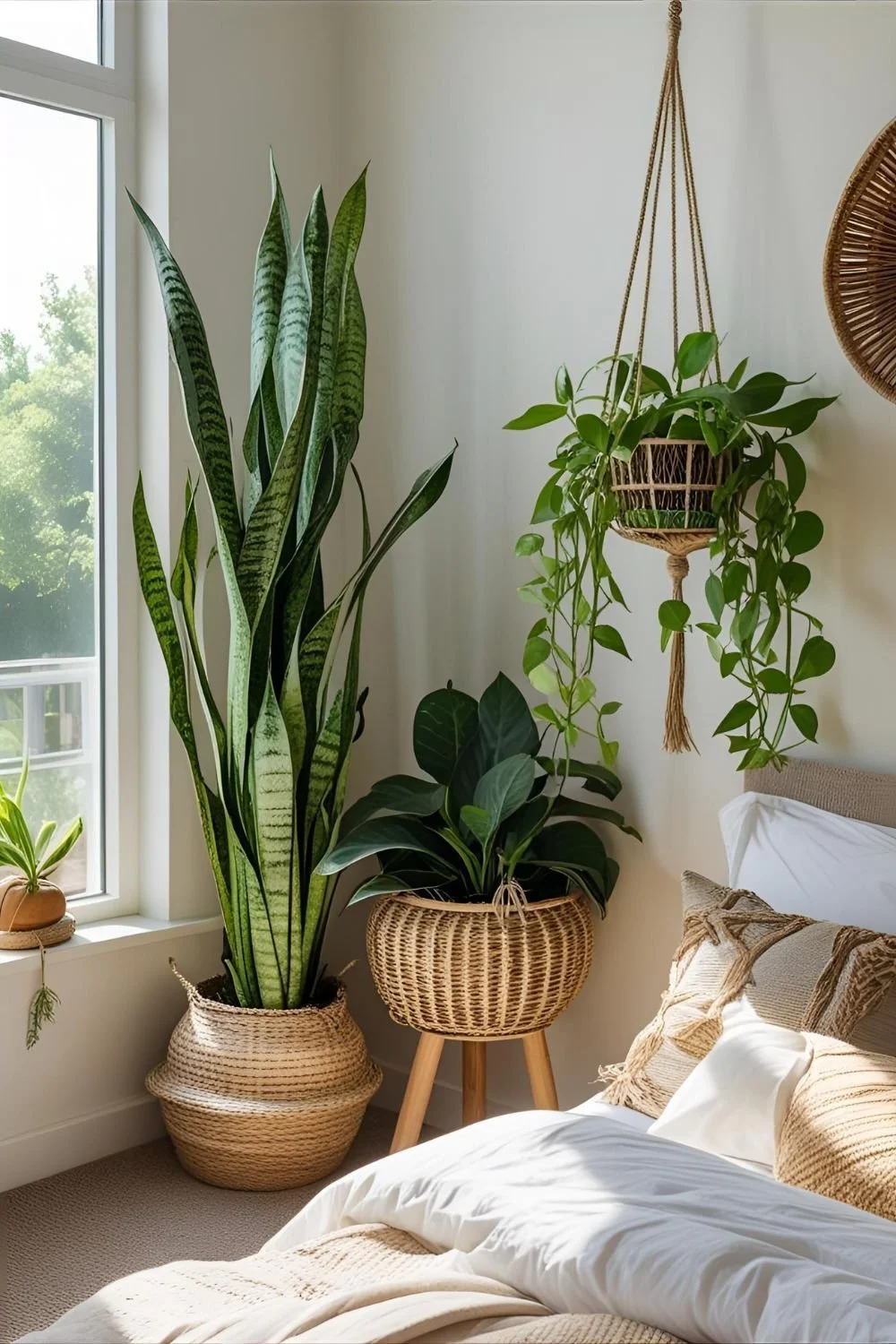
Snake Plant (oxygen release at night!)
ZZ Plant
Aloe Vera (if you get good sunlight)
Kitchen
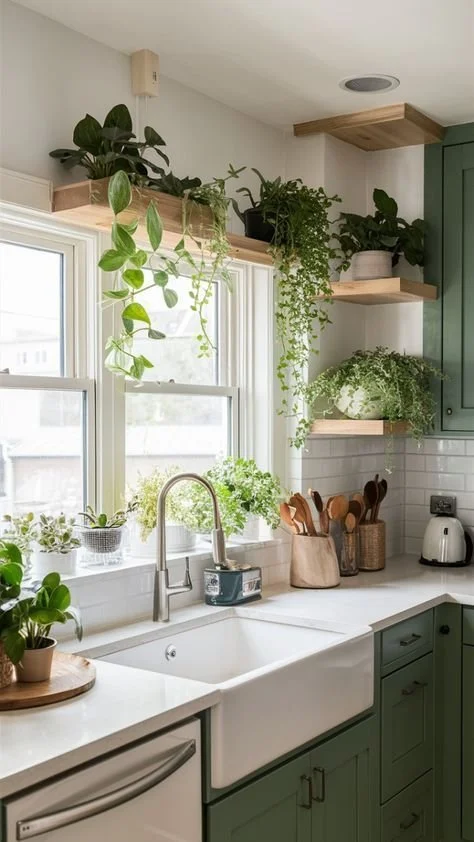
Aloe Vera
Spider Plant
Herbs (bonus: they clean air + you can use them)
Bathroom
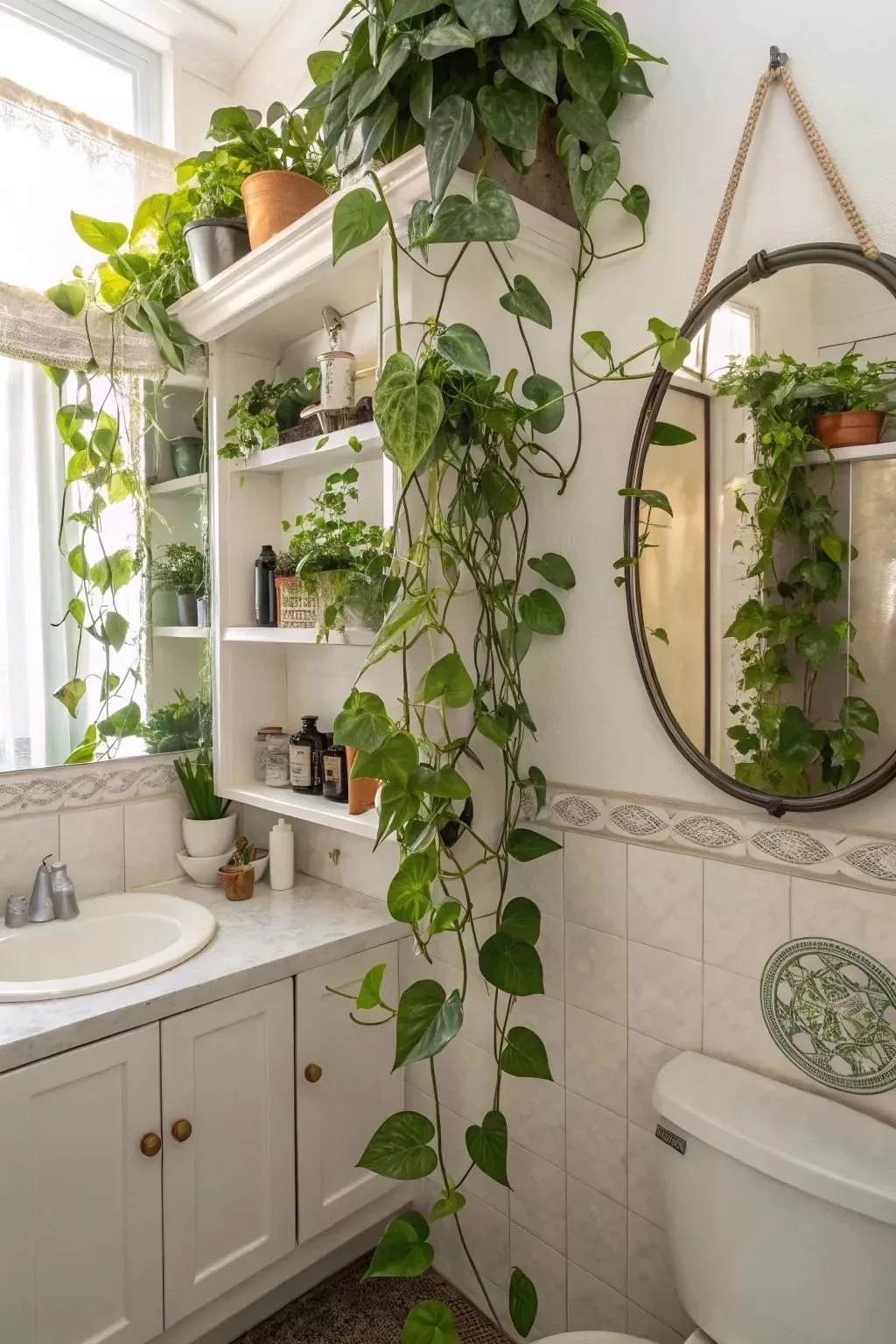
Peace Lily
Ferns
Bamboo Palm
How Many Plants Do You Need for Cleaner Air?
For noticeable results, aim for:
1 medium plant per 100 square feet, or
5–8 plants for a small apartment
The more greenery you add, the better your indoor air becomes.
Indoor Plants & Air-Quality Improvement Table
Below is a quick comparison table you can embed on your Squarespace site. It highlights the most effective and beginner-friendly plants for improving indoor air quality.
| Plant Type | Common Pollutants Removed | Estimated Air Quality Improvement* | Notes |
|---|---|---|---|
| Snake Plant | Benzene, Formaldehyde | Low–Moderate | Tolerates low light, very hardy |
| Peace Lily | Benzene, VOCs, Mold Spores | Moderate | Needs regular watering; great for bathrooms |
| Spider Plant | Formaldehyde, Xylene | Moderate–High | Safe for pets; easy to propagate |
| Areca Palm | Carbon Dioxide, VOCs | High | Excellent natural humidifier |
| Rubber Plant | Formaldehyde | Moderate–High | Thrives in bright, indirect light |
*Based on NASA Clean Air Study findings and modern indoor air-quality research.
*Based on NASA Clean Air Study findings and modern indoor air-quality research.
Bonus Tips for Cleaner Indoor Air
Even with plants, improving air quality is a combined effort. Try these additions:
Open windows for 10 minutes daily
Use natural cleaners instead of harsh chemicals
Avoid synthetic air fresheners
Clean your AC and fan filters regularly
Use essential oils like eucalyptus or lavender for fresh scent
Final Thoughts
Adding indoor plants is one of the simplest, most affordable, and most beautiful ways to improve your home’s air quality. Whether you choose the hardy snake plant, the elegant peace lily, or the dramatic areca palm, each plant brings its own health benefits and aesthetic charm. A greener home is not only refreshing—it supports better breathing, better focus, and better wellbeing.
