
Eco-Friendly Pest Control: Natural Ways to Protect Your Home and Garden
Pests are a common problem in homes and gardens, especially in warm climates and urban environments. While chemical pesticides may offer quick results, they often come with serious downsides—health risks, environmental damage, and harm to beneficial insects. Eco-friendly pest control offers a safer, more sustainable alternative. By using natural remedies and smart prevention methods, you can manage pests effectively without exposing your home, family, or plants to toxins.
This guide explores practical, affordable, and eco-conscious pest control solutions for indoor plants, balcony gardens, and homes.
Why Choose Eco-Friendly Pest Control?
Eco-friendly pest control focuses on natural, non-toxic solutions that work with nature rather than against it. These methods are ideal for households with children, pets, and edible plants.
Key Benefits:
Safe for people and pets
Protects beneficial insects like bees and butterflies
Environmentally responsible—no soil or water contamination
Cost-effective using everyday household items
Prevents pest resistance caused by chemical overuse
Natural pest control is especially important for balcony and indoor gardens where chemicals can easily build up in enclosed spaces.
Common Household and Garden Pests
Identifying pests early makes treatment easier and more effective.
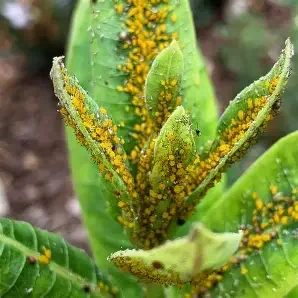
Common Garden Pests:
Aphids: Small sap-sucking insects that weaken plants
Spider mites: Cause webbing and leaf discoloration
Mealybugs: White cotton-like pests found on stems
Whiteflies: Tiny flying insects that damage leaves
Caterpillars: Chew leaves rapidly
Common Indoor Pests:
Ants: Attracted to moisture and plant sap
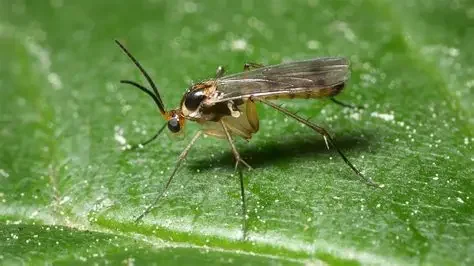
Fungus gnats: Thrive in overwatered soil
Cockroaches: Seek food and warmth
Mosquitoes: Breed in stagnant water
Once identified, natural remedies can target them safely.
Natural DIY Pest Control Solutions
Neem Oil Spray (Most Effective All-Purpose Solution)
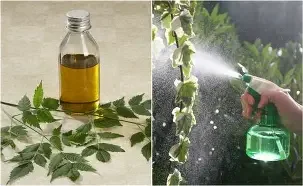
Neem oil is derived from neem tree seeds and disrupts insect feeding and reproduction.
How to Make:
1 litre water
2 tablespoons neem oil
1 teaspoon mild liquid soap
Shake well and spray on affected plants every 3–5 days.
Best for: Aphids, mites, whiteflies, mealybugs
Soapy Water Spray
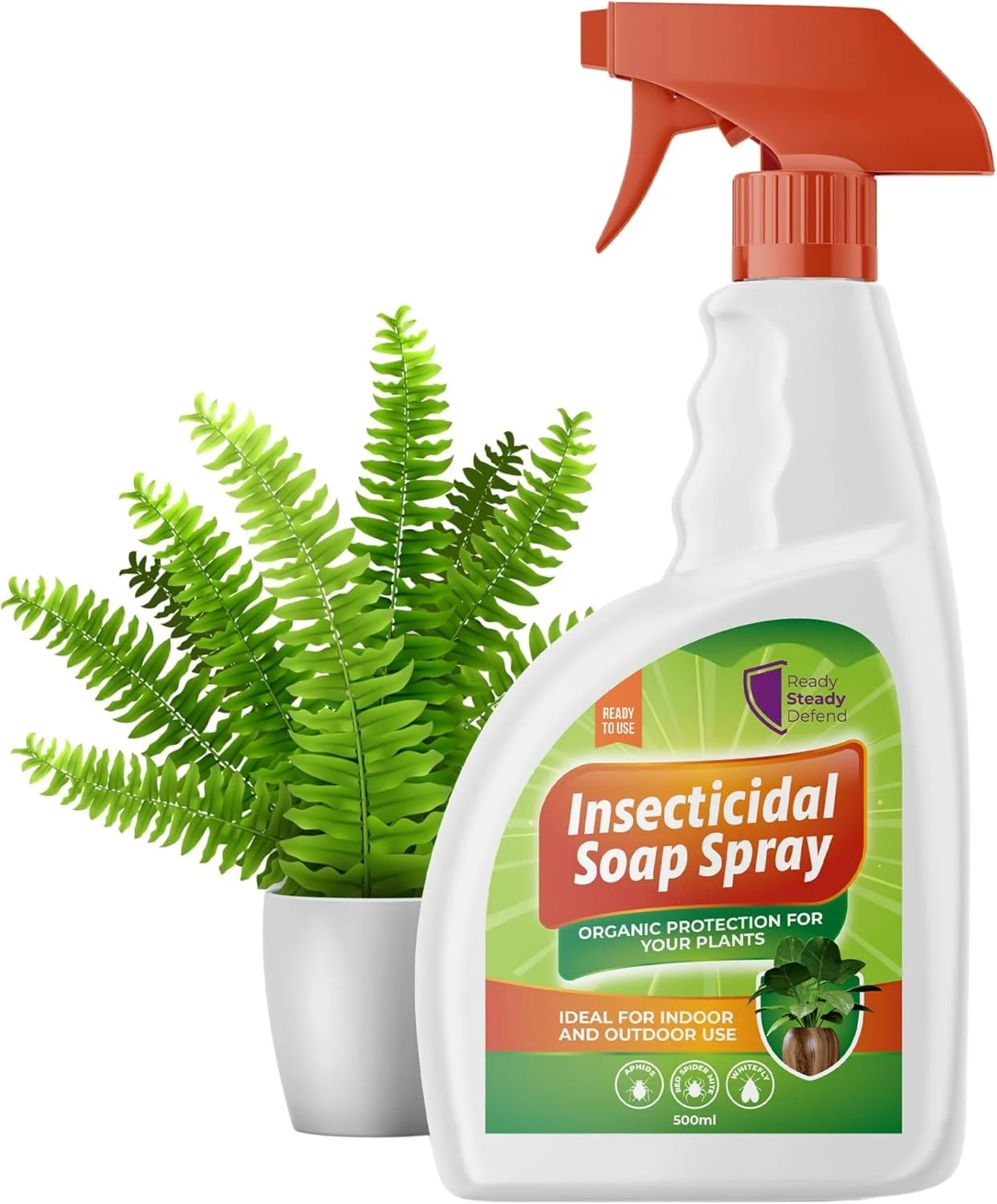
This solution works by breaking down the protective outer layer of insects.
How to Make:
1 litre warm water
1–2 teaspoons mild dish soap
Spray directly on pests, especially under leaves. Rinse plants after two hours.
Best for: Aphids, mealybugs, whiteflies
Garlic and Chili Spray
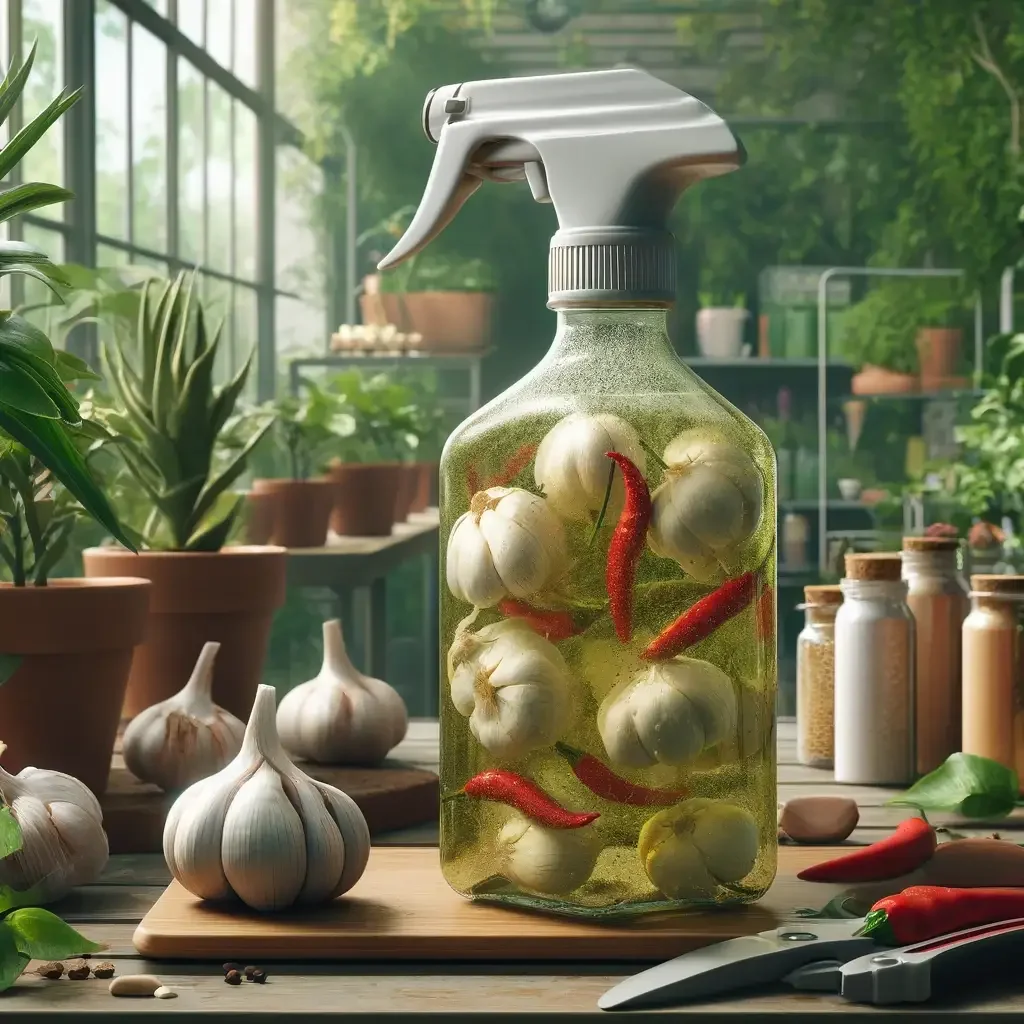
A strong natural repellent that pests avoid due to its smell and heat.
Recipe:
Blend 5 garlic cloves and 1 chili
Mix with 1 litre water
Strain and add a few drops of soap
Spray weekly or after rainfall.
Best for: Caterpillars, ants, aphids
Vinegar Solution for Ants
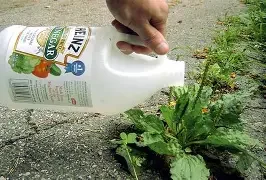
Ants rely on scent trails. Vinegar disrupts these paths.
How to Use:
Mix equal parts water and white vinegar. Spray on ant trails, pot bases, and entry points.
Cinnamon Powder

Cinnamon powder is a natural and effective solution for managing fungus-related issues in your plants. One of its key benefits is its ability to inhibit the growth of fungi, which is particularly beneficial in controlling populations of fungus gnats, as these pests thrive on fungal infestations in the soil.
Application: To use cinnamon powder as a treatment, simply sprinkle a light layer on the surface of the soil around your plants. This not only helps to combat existing fungal issues but also creates an unfavorable environment for the development of new fungal growth.
Best For: Cinnamon powder is highly effective against fungus gnats and is also useful in addressing mild fungal problems in the soil, making it a versatile addition to your gardening toolkit. Regular application can help maintain a healthier growing environment for your plants.
Used Coffee Grounds
Used coffee grounds can be a valuable resource in your garden, as they serve two primary purposes: repelling certain insects and slightly enriching the soil.
Benefits:
1. Insect Repellent: The strong aroma of coffee grounds can deter unwanted pests such as ants, snails, and slugs. Sprinkling them around your plants can act as a natural barrier, helping to keep these critters at bay.
2. Soil Enrichment: While coffee grounds are not a complete fertilizer, they can contribute organic matter to the soil. They contain small amounts of essential nutrients like nitrogen, which can benefit plant growth when added to compost or mixed into the topsoil.
Usage:
To effectively utilize coffee grounds, spread them in a thin layer around the bases of your plants or along the edges of your pots. Avoid piling them too thickly, as excessive amounts can lead to mold growth.
Best For:
Used coffee grounds are particularly effective against pests like ants, snails, and slugs, making them a great, eco-friendly option for garden maintenance.
Biological Pest Control (Nature’s Helpers)
Biological pest control harnesses the power of beneficial organisms to naturally manage pest populations, reducing the reliance on chemical pesticides. Here are some key players in biological pest control:
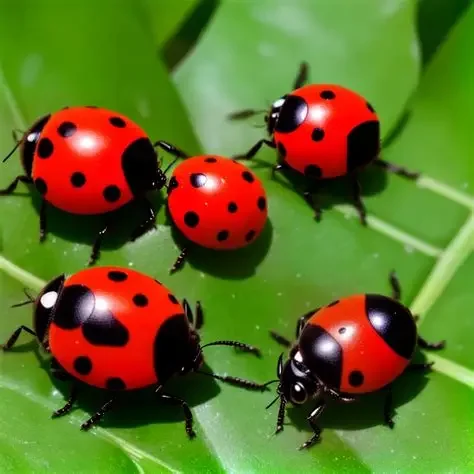
- Ladybugs (Ladybird Beetles): These small, brightly colored beetles are voracious predators of aphids, spider mites, and other soft-bodied pests. A single ladybug can consume up to 5,000 aphids in its lifetime, making them invaluable allies in maintaining healthy gardens and landscapes.
- Praying Mantis: Known for their distinctive posture and predatory behavior, praying mantises are capable of controlling a wide range of pest populations outdoors. They feed on various insects, including caterpillars, beetles, and even other beneficial insects. Their presence can greatly reduce pest numbers without the need for chemical interventions.
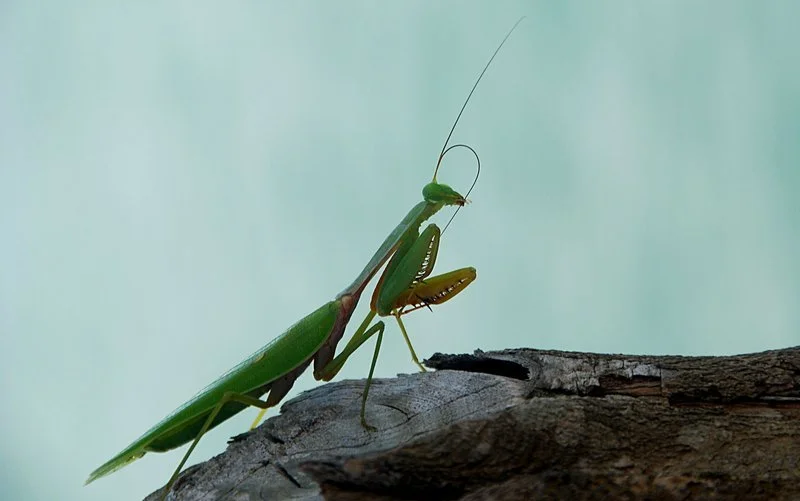
- Nematodes (Beneficial Nematodes): These microscopic, soil-dwelling roundworms target specific pests such as grubs, root weevils, and certain types of flies. When introduced to the soil, nematodes seek out and infect these pests, leading to their demise. Using nematodes helps maintain soil health while keeping pest populations in check.

By promoting the presence of these helpful organisms in your garden, you can significantly decrease the need for pesticide sprays, creating a healthier ecosystem.
Preventing Pest Infestations Naturally
Preventing pest infestations is the most effective eco-friendly strategy for maintaining plant health. Here are six proactive measures you can take to keep pests at bay:
1. Avoid Overwatering: Excess moisture in the soil not only encourages root disease but also attracts pests like fungus gnats, which thrive in wet conditions. Allow the top inch of soil to dry out before watering again to maintain a healthy balance.
2. Improve Air Circulation: Ensuring adequate airflow around your plants is crucial for discouraging pests such as spider mites and inhibiting fungal growth. This can be achieved by spacing plants appropriately and using fans in indoor settings.
3. Clean Plant Leaves: Regularly wiping down the leaves of your plants helps remove dust, preventing the buildup of pests and diseases. This simple practice can also enhance photosynthesis, contributing to healthier plants.
4. Quarantine New Plants: To prevent the introduction of pests into your established plants, it's essential to quarantine any new additions for 7–10 days. This observation period allows you to spot any potential infestations before they spread.
5. Use Well-Draining Soil: Healthy plant roots are less susceptible to pests. By using well-draining soil, you promote healthy root systems that can better resist pest attacks and thrive in their environment.
6. Remove Dead Plant Matter: Regularly clearing away decaying leaves and other organic matter not only improves the appearance of your garden but also prevents the attraction of insects and fungi that thrive on decomposing material.
Eco-Friendly Indoor Pest Control Methods
For effective indoor pest control, it's important to utilize gentle yet powerful solutions that won't harm your home environment. Here are some eco-friendly methods:
- Sticky Traps: These traps are particularly effective for capturing flying insects like fungus gnats and fruit flies. Simply place them near affected plants to monitor and reduce pest populations.
- Essential Oil Repellents: Utilizing essential oils such as peppermint, eucalyptus, and lavender can help deter common household pests like ants and mosquitoes. You can dilute these oils in water and spray them around areas where pests are likely to enter.
- Diatomaceous Earth (Food-Grade): This fine, natural powder is composed of the fossilized remains of tiny aquatic organisms called diatoms. When insects walk through it, the powder clings to their bodies and dehydrates them. Use it sparingly around the bases of pots and in areas where pests are spotted.
- Natural Cleaning Solutions: Simple mixtures of vinegar and citrus oils serve as effective cleaning agents and can deter ants. Wiping down surfaces with this solution helps keep your indoor spaces clean and unwelcoming to pests.
By implementing these strategies, you can create a healthier living environment that naturally wards off pests while supporting the wellbeing of your plants and home.
Balcony and Outdoor Garden Solutions: Enhancing Your Space with Companion Planting
Companion planting is a gardening strategy that involves pairing different plants together to create a mutually beneficial environment. This method not only optimizes plant growth but also helps in natural pest control, reducing the need for chemical interventions. Below are some plants known for their pest-repelling qualities:
- Marigolds: These vibrant flowers are not just visually appealing but are also powerful allies in the garden. Marigolds release compounds that repel aphids—small sap-sucking insects that can harm various plants. Additionally, they deter nematodes, microscopic worms that can damage plant roots, making them an excellent choice for both flower beds and vegetable gardens.

- Lavender: Renowned for its lovely fragrance and stunning purple blooms, lavender is a favorite among gardeners. Its aromatic oils are effective in repelling mosquitoes and other biting insects, creating a more enjoyable outdoor space. Planting lavender in your balcony or garden can help reduce the nuisance of pests while attracting beneficial pollinators like bees.
- Basil: This popular culinary herb is not only a staple in many kitchens but also serves as a fantastic companion in the garden. Basil emits scents that deter flies and whiteflies—common pests that can wreak havoc on a variety of plants, particularly tomatoes. By planting basil near susceptible crops, you can enhance their growth and flavor while keeping unwanted insects at bay.
Incorporating these plants into your balcony or outdoor garden will not only beautify your space but also contribute to a healthier, more sustainable gardening experience.
Physical Barriers
To effectively protect your plants from pests, consider using physical barriers such as mesh netting, copper tape, or garden fleece. Mesh netting can be draped over plants to prevent larger pests like birds and squirrels from gaining access. Copper tape can be strategically placed around pots or garden beds to deter slugs and snails. Garden fleece serves as a lightweight cover that not only blocks insects but also provides insulation for plants during cooler weather. These barriers help create a protective shield while allowing sunlight and moisture to reach your plants.
Water Sprays

Utilizing a strong water spray is an efficient and eco-friendly method to manage pest infestations, particularly aphids and mites. By using a garden hose with a spray nozzle, you can apply a powerful jet of water directly onto affected plants. This technique can dislodge pests without the need for harmful chemicals. It’s most effective when done early in the day or late in the evening to avoid leaf burn. Regularly spraying your plants not only keeps pests at bay but also can help with overall plant health by washing away dust and debris.
When Natural Methods Require Additional Support
In some cases, the presence of pests can escalate more rapidly than the natural methods available can effectively manage. When you find yourself in this situation, consider the following steps to restore balance to your plants:
1. Prune Heavily Infested Areas: Begin by carefully inspecting your plants for any sections that show signs of severe pest infestation. Use sterilized pruning shears to remove these affected parts. This step not only eliminates a significant habitat for pests but also helps to prevent their spread to healthier areas of the plant.
2. Repot Using Fresh Soil: After pruning, it may be beneficial to repot your plants with fresh, high-quality soil. This step aids in rejuvenating your plants and eliminates any residual pests or pathogens that may be present in the old soil. Ensure that the new pot has proper drainage to help maintain healthy roots.
3. Resort to Certified Organic Pesticides as a Last Option: If natural methods and preventative measures are not sufficient, consider using certified organic pesticides. These should be treated as a final option rather than a first line of defense. Always follow the manufacturer's instructions and apply the pesticide in a manner that minimizes impact on beneficial insects and the surrounding ecosystem.
Remember, the aim is to achieve balance within your gardening practices rather than striving for perfection. Emphasizing a holistic approach will lead to healthier plants and a more sustainable gardening experience.
Eco-Friendly Pest Control Inside the Home
When it comes to pest control within your home, opting for eco-friendly solutions can effectively keep unwanted guests at bay while maintaining a safe and non-toxic environment for your family. Here are some natural remedies you can use to address common household pests:
- Vinegar and Lemon for Ants: A mixture of equal parts vinegar and lemon juice creates a potent deterrent for ants. The strong scent disrupts their pheromone trails, making it difficult for them to communicate and navigate. Spray this mixture directly at the entry points and areas where you've seen ant activity to encourage them to leave.
- Baking Soda Traps for Cockroaches: Cockroaches are notorious for their resilience, but a simple solution using baking soda can be quite effective. Combine equal parts baking soda and sugar, and place it in small containers around your home. The sugar will attract the roaches, and when they consume the baking soda, it reacts with their stomach acids, leading to their demise.
- Mint Oil for Spiders: Spiders are typically beneficial, but they can become unwelcome guests in your home. To deter them, mix a few drops of peppermint oil with water in a spray bottle and apply it around windows, doors, and other potential entry points. The strong scent of mint is unpleasant to spiders and can encourage them to relocate.
- Clove-Studded Citrus to Repel Mosquitoes: For a natural mosquito repellent, try using citrus fruits like oranges or lemons studded with whole cloves. The citrus aroma combined with the spicy smell of cloves creates an environment that mosquitoes find unappealing. Place these pieces around your home, especially on patios or outdoor areas, to help keep these pests at bay.
These eco-friendly solutions help maintain a pest-free home while ensuring that your indoor air remains safe, fresh, and toxin-free. By using these natural remedies, you not only protect your living space but also support a healthier environment.
Conclusion
Eco-friendly pest control represents a wise and sustainable method for safeguarding both your home and garden from unwanted pests. By employing a diverse array of strategies, including natural sprays, beneficial biological agents, and proactive preventive measures, you can effectively manage pest populations while prioritizing your health and minimizing environmental impact.
Natural sprays, which often utilize essential oils or plant extracts, provide a gentle yet effective alternative to chemical pesticides. These formulations not only disrupt the life cycles of pests but also deter them from returning, all without introducing harmful substances into your environment. Meanwhile, introducing biological helpers, such as beneficial insects like ladybugs and parasitoids, adds a natural predator to your garden ecosystem, naturally keeping pest populations in check without the need for synthetic interventions.
Preventive care is equally crucial in your eco-friendly approach. This includes practices such as crop rotation, companion planting, and maintaining healthy soil. These techniques not only bolster plant immunity but also create an environment less conducive to pest infestations. By integrating these strategies into a consistent routine, you can cultivate a resilient ecosystem.
With dedication and a bit of patience, organic pest control fosters healthier plants, safer living spaces, and a more balanced ecological environment. This approach demonstrates that achieving a thriving, pest-free environment is possible without resorting to harsh chemicals, highlighting the importance of protecting both your immediate surroundings and the broader environment. By making informed choices and embracing nature-based solutions, you can contribute to a sustainable future.
