
URBAN FARMING
Urban Farming Success Stories: Case Studies from Around the World
Urban farming is no longer a fringe idea reserved for environmental enthusiasts. Across the globe, individuals, communities, and businesses are transforming rooftops, vacant lots, warehouses, and informal settlements into productive farms that feed cities, create jobs, and restore dignity. As cities continue to expand and arable land becomes scarce, urban agriculture has emerged as a powerful response to food insecurity, climate change, and unemployment.
This article explores real urban farming success stories from different parts of the world. These case studies prove that urban farming is not only possible—it is scalable, profitable, and socially transformative.
Why Urban Farming Matters
Urban farming refers to the cultivation, processing, and distribution of food within cities and towns. It includes rooftop gardens, vertical farms, hydroponic systems, community gardens, and backyard plots.
Key benefits include:
Improved food security
Reduced food miles and carbon emissions
Job creation and skills development
Greener, cooler urban environments
Community empowerment
The following case studies highlight how these benefits play out in real life.
1. Brooklyn Grange – New York City, USA
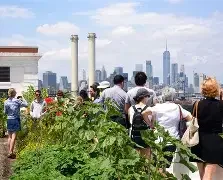
Brooklyn Grange rooftop farm in New York City growing vegetables on urban rooftops
Rooftop farming at Brooklyn Grange in New York City, showcasing large-scale soil-based urban agriculture on commercial rooftops.
Brooklyn Grange is one of the most iconic urban farming success stories in the world. Operating on rooftops in New York City, the farm spans over 5.6 acres across multiple buildings, making it one of the largest rooftop soil farms globally.
What They Do
Grow over 45,000 kg of organic vegetables annually
Supply produce to local restaurants, markets, and CSA members
Host educational programs and events
Improve stormwater management and urban heat reduction
Why It Works
Brooklyn Grange proves that soil-based farming can thrive in dense cities. By utilizing unused rooftops, they turned dead space into productive green infrastructure.
Key Takeaway
Urban rooftops can be transformed into high-yield farms without sacrificing structural integrity or profitability.
2. Lufa Farms – Montreal, Canada
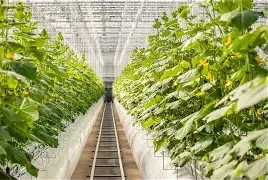
Lufa Farms rooftop greenhouse hydroponic urban farming in Montreal
Lufa Farms’ rooftop greenhouse in Montreal using hydroponic systems to grow fresh vegetables year-round in an urban setting.
Lufa Farms operates commercial rooftop greenhouses built on top of shopping malls and industrial buildings in Montreal. Unlike seasonal farms, Lufa grows food year-round, even during harsh Canadian winters.
What They Do
Use hydroponic greenhouse systems
Deliver produce directly to customers through an online marketplace
Partner with local food producers
Why It Works
Their model integrates technology, logistics, and agriculture into a seamless urban food system. Customers order online, and produce is harvested and delivered within hours.
Key Takeaway
Urban farming can scale commercially when paired with smart distribution and technology.
3. Sky Greens – Singapore
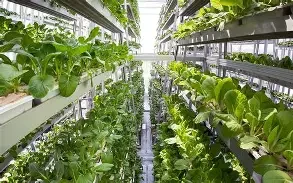
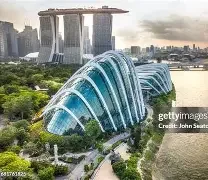
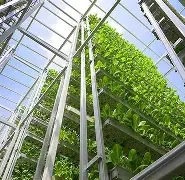
Sky Greens vertical farming system in Singapore producing leafy vegetables
Vertical farming towers at Sky Greens in Singapore, demonstrating high-yield urban agriculture in land-scarce cities.
Singapore imports over 90% of its food, making food security a national concern. Sky Greens addressed this by developing a low-energy vertical farming system.
What They Do
Grow leafy vegetables in rotating vertical towers
Use hydraulic systems powered by recycled water
Produce up to 10 times more food per square meter than conventional farms
Why It Works
Sky Greens demonstrates how vertical farming can help land-scarce cities increase food production sustainably.
Key Takeaway
When land is limited, vertical farming offers a viable solution for urban food resilience.
4. Altius Farms – Denver, USA
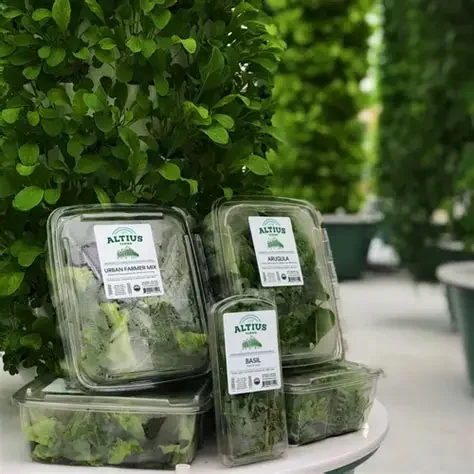
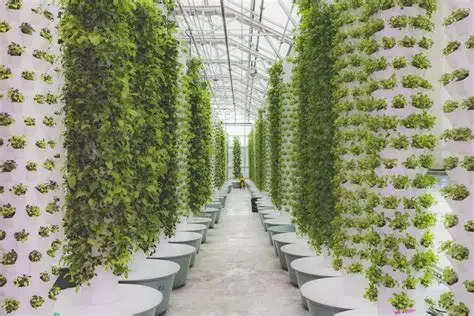
Altius Farms hydroponic rooftop greenhouse urban farming in Denver
Hydroponic rooftop greenhouse at Altius Farms in Denver producing leafy greens with minimal water and space.
Located on a rooftop in downtown Denver, Altius Farms operates a hydroponic greenhouse that produces as much food as 1.5 acres of traditional farmland, all on a fraction of the space.
What They Do
Grow leafy greens and herbs hydroponically
Supply restaurants and local markets
Reduce water use by up to 90%
Why It Works
Their controlled environment allows for consistent quality, high yields, and minimal waste.
Key Takeaway
Hydroponics makes intensive urban farming economically viable even in city centers.
5. Ohio City Farm – Cleveland, USA
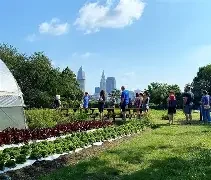
Ohio City Farm urban agriculture project in Cleveland city center
Ohio City Farm in downtown Cleveland showing large-scale urban farming on reclaimed city land.
Ohio City Farm is one of the largest urban farms in the United States, occupying six acres in downtown Cleveland.
What They Do
Grow over 60 types of vegetables and herbs
Sell produce through farm stands, CSAs, and restaurants
Run youth education and workforce training programs
Why It Works
The farm combines commercial production with social impact, proving that urban farms can serve both economic and community needs.
Key Takeaway
Large-scale urban farms can exist when cities prioritize land access and community partnerships.
6. Vision Bearerz – Mathare, Nairobi, Kenya
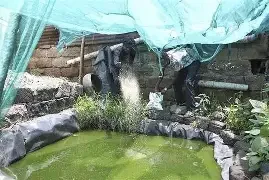
Vision Bearerz urban farming project in Mathare Nairobi using hydroponics
Community-led urban farming initiative in Mathare, Nairobi, using hydroponics to improve food security and youth livelihoods.
Closer to home, Vision Bearerz offers a powerful African urban farming story. Founded by former gang members in Mathare, one of Nairobi’s informal settlements, the group turned to hydroponics and urban agriculture as a tool for change.
What They Do
Grow vegetables using hydroponic systems
Keep poultry and livestock
Feed over 150 children weekly
Provide income and purpose to youth
Why It Works
This initiative links food production with social rehabilitation, showing how urban farming can address crime, hunger, and unemployment simultaneously.
Key Takeaway
Urban farming can be a pathway to social transformation, not just food production.
7. Neighbour Roots – Gauteng, South Africa
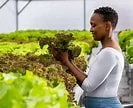
Neighbour Roots hydroponic rooftop farm on shopping centre in South Africa
Hydroponic rooftop farm by Neighbour Roots built on a commercial shopping centre in South Africa.
Neighbour Roots operates a commercial hydroponic rooftop farm on top of a shopping centre in South Africa.
What They Do
Grow herbs and leafy greens
Supply local restaurants and retailers
Train young people in modern farming techniques
Why It Works
By integrating farming into commercial buildings, Neighbour Roots shows how private-sector partnerships can drive urban agriculture.
Key Takeaway
Urban farming thrives when agriculture is embedded into city infrastructure.
8. Food Field – Detroit, USA
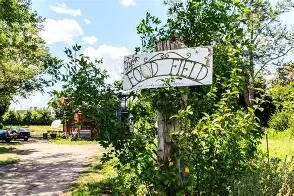
Food Field urban farm in Detroit community-supported agriculture
Food Field urban farm in Detroit transforming unused urban land into a productive community-supported agriculture project.
Detroit has become a hub for urban agriculture, and Food Field stands out as a community-centered CSA farm built on a former school site.
What They Do
Operate a community-supported agriculture program
Provide employment and training
Focus on sustainable soil practices
Why It Works
Food Field demonstrates how urban farming can revive abandoned spaces and strengthen local economies.
Key Takeaway
Urban agriculture can be a tool for post-industrial city regeneration.
Common Lessons from These Success Stories
Across continents and contexts, several patterns emerge:
1. Space Is Not the Limiting Factor
Rooftops, vertical systems, and vacant lots are enough when used creatively.
2. Technology Boosts Efficiency
Hydroponics, greenhouses, and controlled environments significantly increase yield and reliability.
3. Community Engagement Is Key
The most successful urban farms are rooted in their communities—through jobs, education, or food access.
4. Urban Farming Is Economically Viable
These projects generate income, attract investment, and create sustainable business models.
What This Means for Future Cities
As climate pressures increase and cities grow, urban farming will play a crucial role in:
Food security
Climate resilience
Youth employment
Sustainable urban design
Urban farming is no longer an experiment—it is a proven solution.
Final Thoughts
From New York rooftops to Nairobi’s informal settlements, these urban farming success stories show what’s possible when innovation meets necessity. Whether through soil-based gardens, hydroponic systems, or vertical farms, cities around the world are rewriting the future of food.
Urban farming is not just about growing vegetables—it’s about growing resilient cities, empowered communities, and sustainable futures.
References
Brooklyn Grange. Brooklyn Grange Rooftop Farm Case Study.
Lufa Farms. Commercial Rooftop Greenhouses in Montreal.
Food Tank. Five Examples of Successful Urban Agriculture Done Differently.
Farm Flavor. 10 Urban Gardens and Farms Worth Celebrating.
Associated Press. From Guns to Gardens: Former Gangsters Fight Hunger in Kenya.
Sustainable Urban Delta. Urban Rooftop Farming Case Studies.
Sky Greens Singapore. Vertical Farming for Urban Food Security.
