Hydroponics vs Soil: Which Is Better? A Detailed Comparison
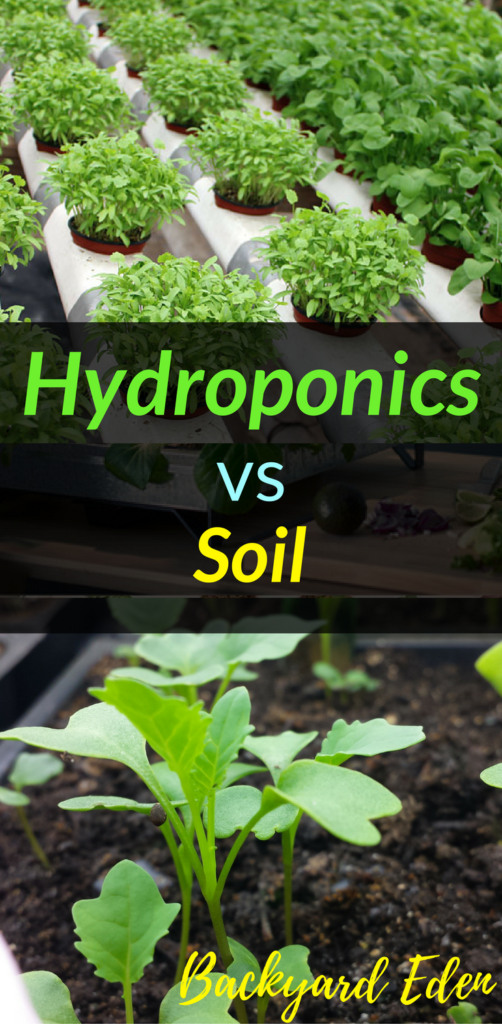
Gardening has evolved far beyond traditional backyard beds. With rising interest in sustainable, efficient, and high-yield food production, two major cultivation methods have come to the forefront: soil gardening and hydroponics. While soil gardening is as old as agriculture itself, hydroponic growing—cultivating plants in nutrient-rich water without soil—has gained popularity among commercial growers, home gardeners, and even urban farmers.
But the real question for anyone considering growing their own food, ornamentals, or medicinal plants is: Which is better—hydroponics or soil? The answer isn’t a simple one-liner, because both systems have their unique strengths, challenges, and ideal applications. Let’s break down everything you need to know.
What Is Soil Gardening?
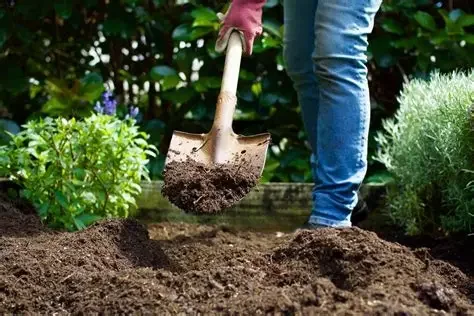
Soil gardening is the traditional method of growing plants using natural earth as the medium. Soil isn’t just dirt: it’s a living ecosystem made up of minerals, organic matter, microbes, fungi, water, and air. These components work together to support plant growth.
How Soil Gardening Works
Plants draw nutrients from the soil through their roots.
Soil stores water and nutrients and releases them gradually.
Microorganisms break down organic material, enriching the soil.
Common Soil Gardening Setups
Backyard beds
Raised beds
Containers and pots
In-ground plots
What Is Hydroponics?
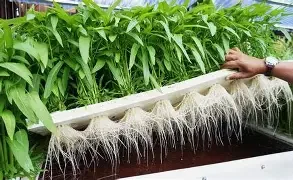
Hydroponics is a soilless growing method where plant roots are suspended in a nutrient-rich water solution. Instead of extracting nutrients from soil, plants get everything they need directly from the liquid solution.
How Hydroponics Works
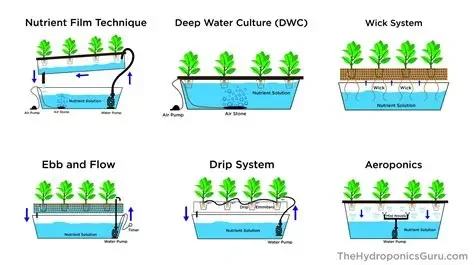
There are several hydroponic system types:
Nutrient Film Technique (NFT): A thin film of nutrient solution flows past roots.
Deep Water Culture (DWC): Roots hang in oxygenated nutrient solution.
Ebb & Flow (Flood and Drain): Water periodically floods the grow tray then drains away.
Wick Systems: Passive systems where wicks draw nutrients into the roots.
Aeroponics: Roots suspended in air sprayed with nutrient mist.
Each setup targets maximum nutrient absorption, oxygenation, and controlled growth conditions.
Key Differences: Hydroponics vs Soil
| Feature | Soil Gardening | Hydroponics |
|---|---|---|
| Growing Medium | Natural soil | Water with dissolved nutrients |
| Nutrient Delivery | Slow, dependent on soil health | Direct and precisely controlled |
| Water Usage | High | Up to 90% less |
| Space Efficiency | Requires more horizontal space | Highly space-efficient, vertical growing possible |
| Setup Cost | Low | Moderate to high |
| Maintenance | Low to moderate | Requires regular monitoring |
| Pest & Disease Risk | Higher (soil-borne pests) | Lower (but waterborne risks) |
| Growth Speed | Moderate | Fast |
1. Growth Speed and Yields
One of the biggest advantages of hydroponics is faster plant growth and higher yields. Since nutrients are delivered directly to roots without the competition of soil microbes, plants can focus energy on growth rather than nutrient foraging.
Hydroponics Benefits:
Plants often grow 25–50% faster than in soil.
Yields can be higher due to optimized nutrient delivery.
Multiple harvests per year in controlled environments.
Soil Benefits:
Growth may be slower, but many gardeners find better taste and texture in soil-grown produce—especially for crops like tomatoes, herbs, and root vegetables.
2. Water Efficiency
Hydroponic systems use significantly less water than traditional soil gardening. Water circulates in a closed loop and isn’t lost to evaporation or deep infiltration.
Hydroponics can use up to 90% less water than soil gardening.
Soil gardening relies on gravity and evaporation, leading to higher water use.
This makes hydroponics ideal for arid regions, drought-prone areas, or places with limited freshwater access.
3. Space and Urban Farming
Hydroponics excels in space efficiency. Because plants don’t need wide soil beds, growers can stack systems vertically, making hydroponics ideal for balconies, rooftops, warehouses, and urban farms.
In contrast, soil gardens require more horizontal space and can’t be easily stacked. This means hydroponics is often better suited for high-density growing.
4. Cost and Investment
Initial Setup
Soil gardening is inexpensive to start: seeds, tools, soil, and compost.
Hydroponics requires an initial investment in:
Grow trays
Reservoirs
Pumps
Nutrient solutions
Lighting (for indoor setups)
Although hydroponics setup costs more, many growers find the long-term productivity and water savings justify the investment.
Ongoing Inputs
Soil gardening needs fertilizer, compost, and soil amendments.
Hydroponics needs nutrient solutions, electricity, and system maintenance.
Cost comparison depends on scale, crop type, and whether you’re growing indoors or outdoors.
5. Control Over Growing Conditions
Hydroponics offers precise control over:
Nutrient levels
pH balance
Water temperature
Light exposure
Air circulation
This means growers can tailor the environment to each crop’s needs—something that’s harder to achieve in soil.
In soil gardens, environmental factors (e.g., weather, pests, soil quality) play a larger role and are often beyond the grower’s control.
6. Pest and Disease Management
Soil can carry pests, fungal diseases, and pathogens that affect root systems. Hydroponics eliminates many soil-borne issues, but it introduces new challenges:
Waterborne diseases can spread quickly throughout the system if not monitored.
Nutrient imbalances can cause growth problems.
Both methods require good hygiene and monitoring—hydroponics just demands a different type of vigilance.
7. Flavor and Nutritional Quality
Many gardeners argue that soil-grown produce tastes better because plants develop more complex root systems and benefit from microbial interactions. Soil plants also often have:
Richer flavors
Better texture
Higher aromatic profiles
However, hydroponic produce can be just as nutritious and fresh, especially when harvested at peak ripeness. For commercial growers, consistent quality and shelf life often outweigh flavor preferences.
8. Learning Curve and Accessibility
Soil Gardening
Easier to start for beginners
Familiar to most gardeners
Mistakes are more forgiving
Hydroponics
Steeper learning curve
Requires understanding of:
Nutrient formulas
pH levels
Water chemistry
Precision matters
That said, hydroponics is becoming more accessible through educational resources and beginner kits.
| Your Goal | Best Choice |
|---|---|
| High yields in limited space | Hydroponics |
| Low startup cost | Soil Gardening |
| Best flavor and aroma | Soil Gardening |
| Urban or indoor farming | Hydroponics |
| Water conservation | Hydroponics |
| Beginner-friendly gardening | Soil Gardening |
When Hydroponics Is Better
Hydroponics shines when you want:
✅ Maximum yields in limited space
✅ Faster growth and multiple harvests
✅ Efficient water use
✅ Indoor or urban farming setups
✅ Highly controlled growing conditions
Hydroponics is ideal for leafy greens, herbs, strawberries, tomatoes, and microgreens—especially in commercial or year-round production.
When Soil Gardening Is Better
Soil gardening is preferable when you want:
🌱 Rich flavor and texture in produce
🌱 Low startup costs
🌱 A more natural, traditional gardening experience
🌱 Root crops like carrots, potatoes, and beets
🌱 A learning platform for beginners and hobbyists
Soil gardening connects us to nature and supports biodiversity in ways hydroponics can’t yet fully replicate.
Sustainability Comparison
Sustainability depends on how each system is managed:
Hydroponics
✔ Water-efficient
✔ Less land use
✔ Reduced pesticide need
✖ Higher energy use (especially indoors)
✖ Nutrient solutions must be responsibly sourced
Soil Gardening
✔ Supports soil biology and carbon sequestration
✔ Can use organic methods
✖ Requires more water
✖ More susceptible to pests and weeds
Ultimately, hydroponics can be more sustainable in water-scarce areas, while soil gardening is better for ecosystem health and biodiversity.
Hybrid Approaches: Best of Both Worlds
Some growers combine soil and hydroponics:
Aquaponics: Hydroponics + fish farming (fish waste feeds plants)
Soil-less mixes: Coco coir, perlite, vermiculite with controlled feeding
These hybrid systems aim to maximize efficiency and ecosystem benefits.
Final Verdict: Which Is Better?
There’s no one-size-fits-all answer—it depends on your goals.
If your goal is…Best SystemHighest yield in smallest spaceHydroponicsLowest cost and simplest startSoil gardeningBest flavor and natural growingSoil gardeningYear-round productionHydroponicsEducation and hobbySoil gardeningWater-efficient agricultureHydroponics
For commercial growers, hydroponics often edges ahead due to predictability and efficiency.
For home gardeners and beginners, soil gardening remains accessible, satisfying, and low-stress.
Closing Thoughts
Both hydroponics and soil gardening are powerful methods that can help us grow food more sustainably, creatively, and abundantly. Whether you’re planting your first tomato or thinking of launching a commercial vertical farm, understanding these systems helps you choose what fits your needs, budget, and environment.
At the end of the day, good gardening is good gardening—whether the roots are in rich earth or in nutrient-rich water.
