
MODERN VS TROPICAL LANDSCAPE STYLES

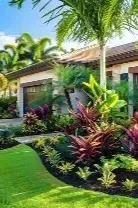
Introduction: Two of the Most Influential Landscape Styles Today
When it comes to landscape design, two styles dominate residential and commercial projects globally—Modern landscaping and Tropical landscaping.
These two styles often get mixed or misunderstood, yet they are fundamentally different in:
philosophy
structure
plant selection
maintenance levels
emotional impact
Choosing between them is not just a visual decision—it affects how your outdoor space functions, feels, and performs over time.
This guide breaks both styles down in detail so you can confidently decide which direction (or blend) suits your project best.
1. Understanding the Core Philosophy of Each Style
Modern Landscape Design Philosophy
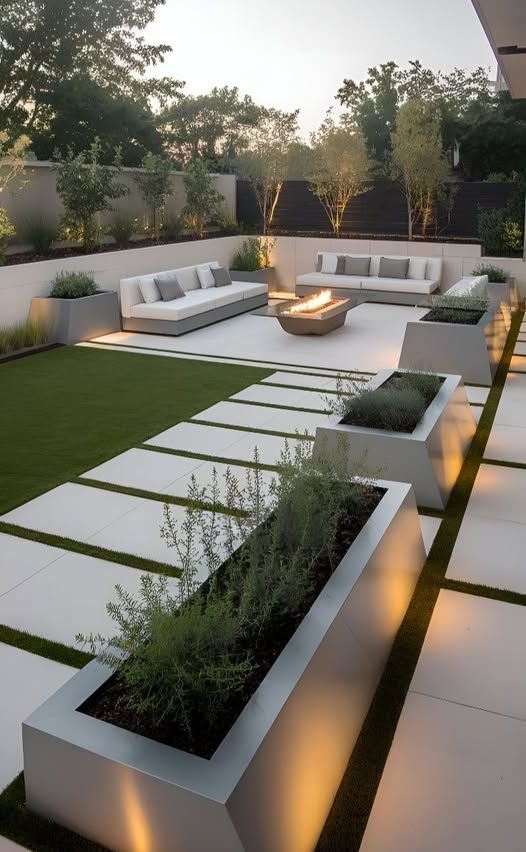
Modern landscaping is built on the idea of control, simplicity, and clarity.
It focuses on:
clean geometry
minimal planting
strong architectural elements
open space
repetition and rhythm
Core idea:
“Less, but intentional.”
Modern gardens behave like outdoor extensions of architecture.
Tropical Landscape Design Philosophy
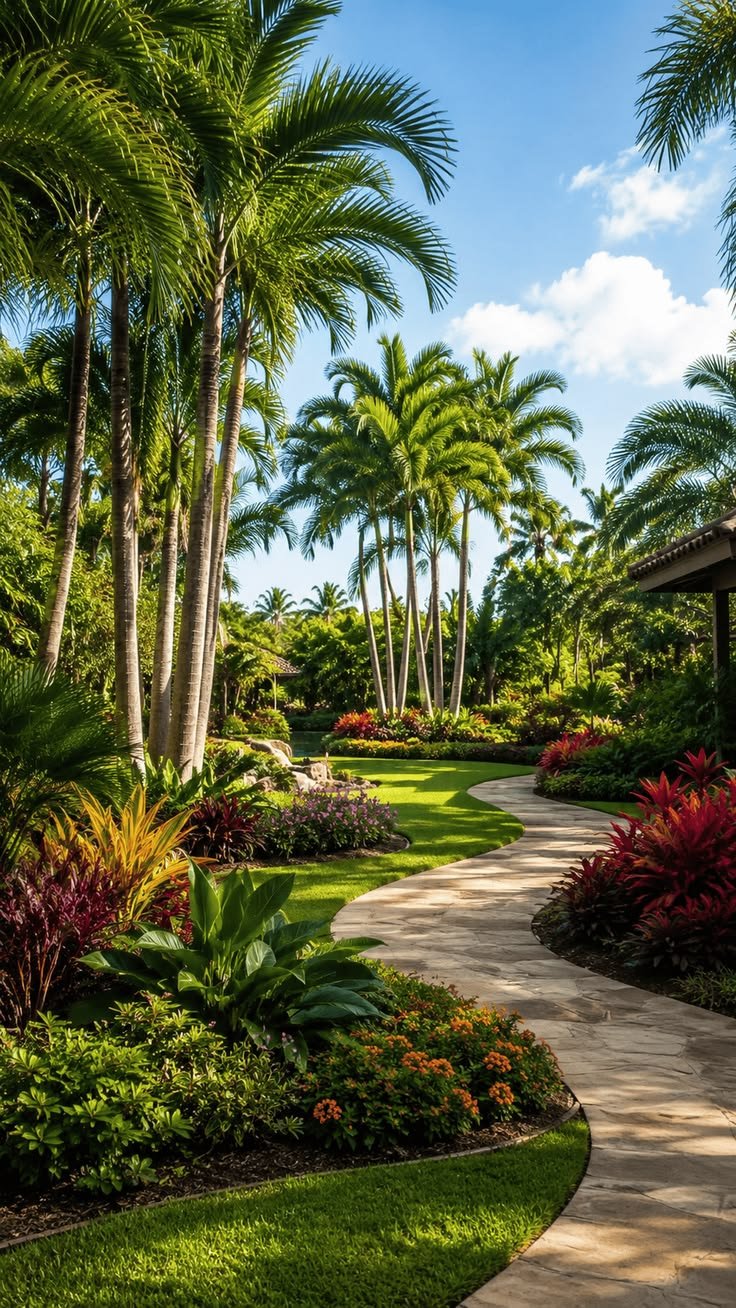
Tropical landscaping is based on abundance, layering, and natural immersion.
It focuses on:
dense vegetation
organic flow
shade creation
lush textures
biodiversity
Core idea:
“More, but natural.”
Tropical gardens behave like controlled ecosystems.
2. Visual Comparison Overview
Style identity comparison:
| Feature | Modern Style | Tropical Style |
|---|---|---|
| Structure | Geometric | Organic |
| Plant density | Low | High |
| Color palette | Neutral | Rich green + vibrant tones |
| Space feel | Open & minimal | Dense & immersive |
| Maintenance | Low–Medium | Medium–High |
| Mood | Calm, controlled | Relaxed, lush |
3. Layout Design Differences
Modern Garden Layout Logic
Modern layouts rely heavily on:
straight lines
grid systems
symmetrical balance
defined zones
Example layout structure:
Entrance → Linear Path → Central Lawn → Structured Seating → Feature Wall
Key characteristics:
predictable movement
visual order
clear focal points
controlled circulation
Tropical Garden Layout Logic
Tropical layouts are fluid and layered.
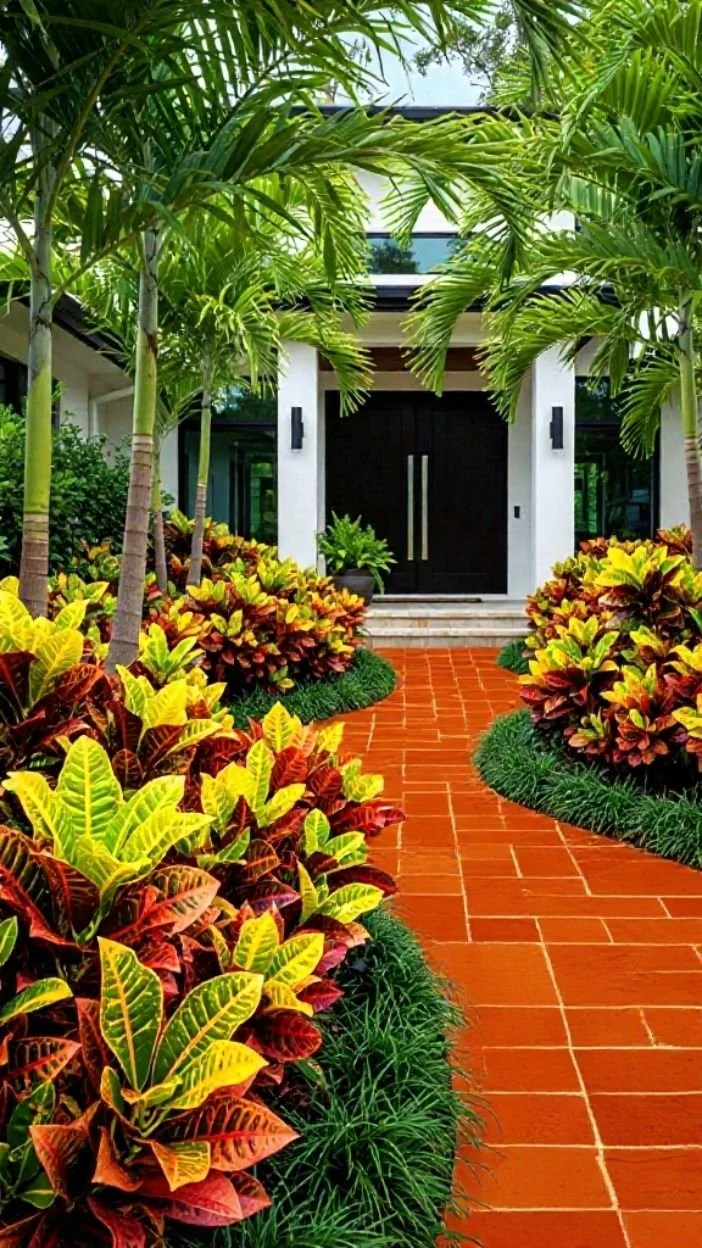
Example layout structure:
Entrance → Curved Path → Dense Planting → Hidden Lounge → Water FeatureKey characteristics:
curved pathways
layered visibility
surprise elements
immersive experience
4. Planting Strategy Comparison
Modern Planting Strategy
Modern landscapes use selective planting.
Characteristics:
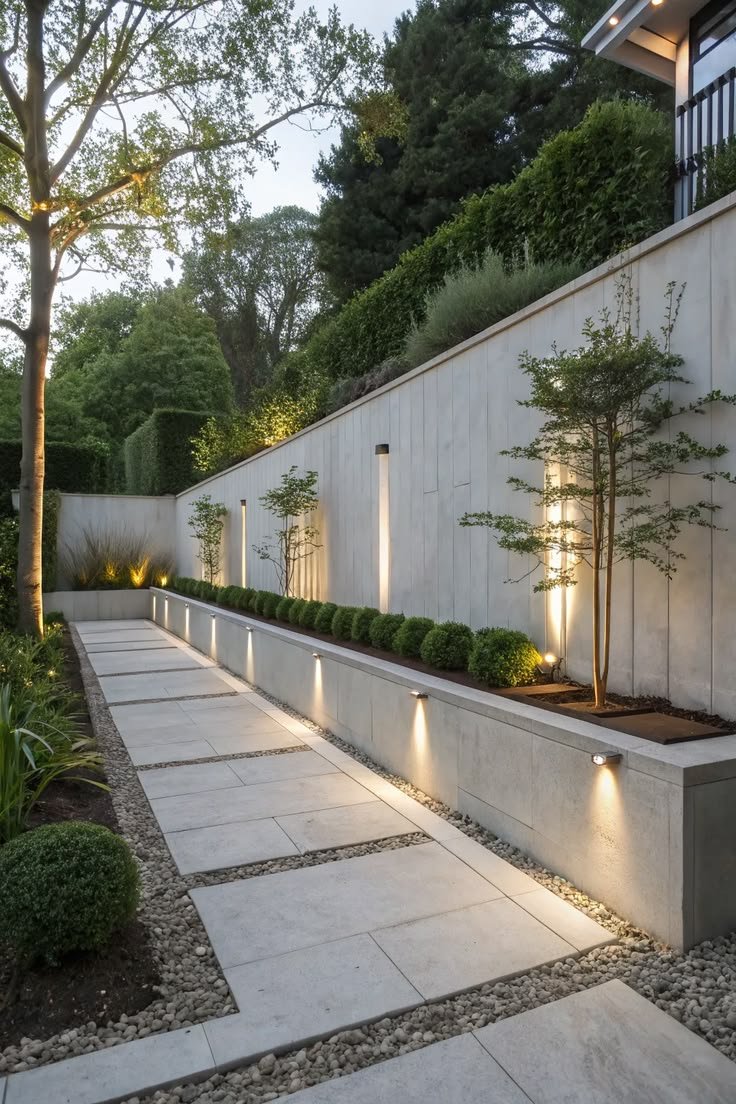
fewer plant species
repetition of forms
sculptural plants
controlled growth patterns
Common plants:
agave
sansevieria
ornamental grasses
clipped hedges
olive trees
Plant density chart:
Modern:
█████ Low Density
████ Medium Structure
██ Accent Plants

Tropical:
████████ High Density
██████ Layered Structure
███████ Foliage Dominance
Tropical Planting Strategy
Tropical landscapes rely on layering and density.
Plant layers:
| Layer | Plant Type |
|---|---|
| Canopy | Tall trees |
| Mid layer | Shrubs |
| Understory | Ferns, foliage plants |
| Ground layer | Creepers, covers |
Common plants:
palms
banana plants
philodendrons
heliconias
crotons
5. Hardscape and Material Differences
Modern Materials
Modern landscapes emphasize clean, structured materials:
| Material | Usage |
|---|---|
| Concrete | Paths, slabs |
| Steel | Edging, frames |
| Glass | Screens, partitions |
| Timber | Minimal accents |
| Gravel | Ground contrast |
Design rule:
Hardscape is dominant, plants are secondary.
Tropical Materials
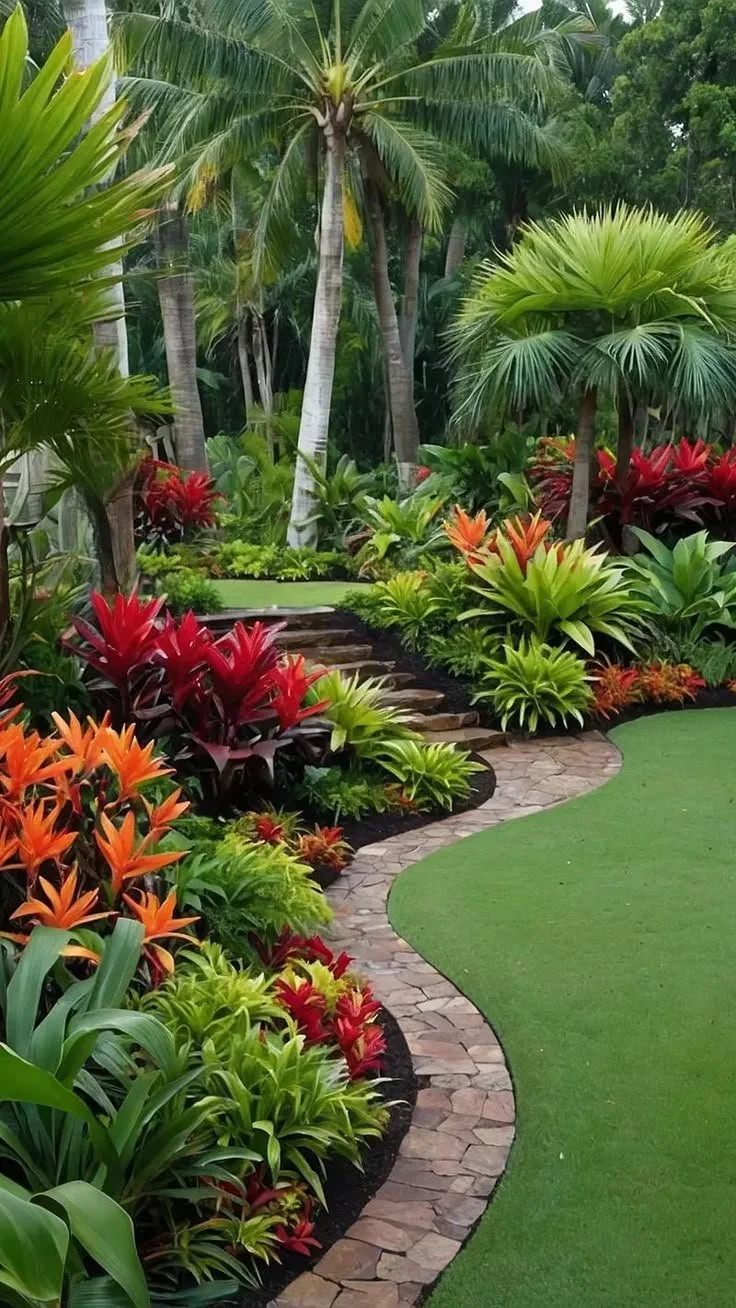
Tropical landscapes use natural and earthy materials:
MaterialUsageNatural stonePaths, wallsTimberDecks, pergolasBambooScreens, accentsPebblesGround textureThatchRoofing elements
Design rule:
Plants dominate, hardscape supports.
6. Maintenance Comparison
Modern Gardens (Low–Medium Maintenance)
Advantages:
fewer plants to manage
slower growth systems
structured pruning cycles
Challenges:
hardscape cleaning required
precision maintenance (edges, lines)
Tropical Gardens (Medium–High Maintenance)
Advantages:
self-shading ecosystems
natural weed suppression in dense planting
Challenges:
pruning required
leaf litter management
watering demands
Maintenance intensity chart:
Modern:
█████ Routine Maintenance
███ Seasonal Pruning
████ Hardscape Cleaning

Tropical:
██████ Frequent Pruning
██████ Irrigation Needs
████ Leaf Management
7. Climate Suitability
Modern Style in Hot Climates
Works well if:
shading is carefully planned
heat-reflective materials are used
plant selection is drought tolerant
Best suited for:
urban homes
commercial spaces
minimalist architecture
Tropical Style in Hot Climates
Naturally suited for:
warm and humid environments
regions with seasonal rainfall
outdoor living lifestyles
Best suited for:
resorts
villas
large residential gardens
8. Emotional Experience Differences
Modern Garden Experience
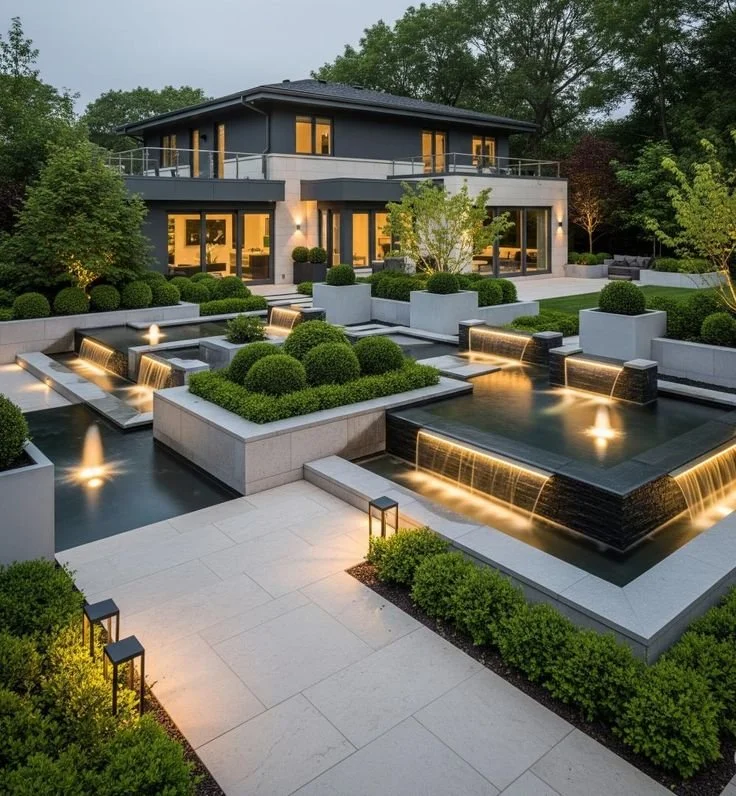
calm
structured
predictable
controlled
minimal sensory overload
Emotional effect:
“Mental clarity and relaxation through order.”
Tropical Garden Experience
immersive
sensory-rich
dynamic
relaxing but visually stimulating
Emotional effect:
“Escape into nature-like environments.”
9. Case Layout Examples
Case 1: Modern Residential Garden
Design intent:
A clean, low-maintenance urban home garden.
Layout:
| Zone | Design |
|---|---|
| Entrance | Linear concrete path |
| Lawn | Central geometric green space |
| Seating | Minimal pergola with neutral tones |
| Borders | Structured hedges |
Result:
A clean, elegant outdoor extension of the house.
Case 2: Tropical Villa Garden
Design intent:
A resort-style immersive outdoor experience.
Layout:
| Zone | Design |
|---|---|
| Entrance | Curved stone path with palms |
| Lounge | Shaded pergola under dense canopy |
| Garden core | Layered tropical planting |
| Feature | Waterfall or pond |
Result:
A lush, private escape environment.
10. Hybrid Approach (Modern Tropical Fusion)
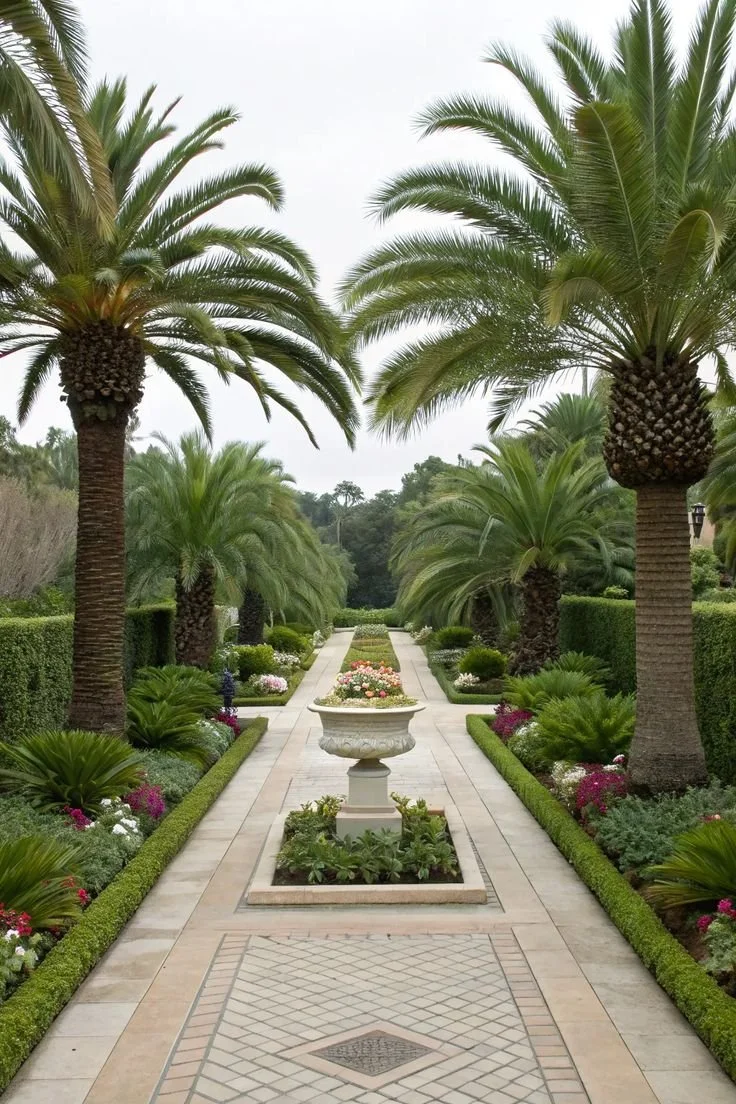
Many high-end landscapes combine both styles.
Hybrid balance:
| Element | Style Influence |
|---|---|
| Layout | Modern structure |
| Plants | Tropical density |
| Materials | Mixed (stone + concrete) |
| Mood | Balanced luxury |
Hybrid formula:
60% Modern structure + 40% Tropical planting
11. Common Design Mistakes
| Mistake | Result |
|---|---|
| Mixing styles randomly | Visual confusion |
| Over-planting modern gardens | Loss of structure |
| Under-planting tropical gardens | Weak impact |
| Ignoring maintenance reality | Long-term failure |
| Wrong material pairing | Style inconsistency |
Conclusion: Choosing Between Structure and Nature
Modern and tropical landscapes are not competitors—they are two different design philosophies.
Modern design gives you order, clarity, and simplicity.
Tropical design gives you immersion, richness, and natural beauty.
The right choice depends on:
lifestyle
maintenance capacity
climate
architectural style
Ultimately, the best gardens are not the ones that follow a trend—but the ones that balance design intent with real-life use.
