
HOW TO CHOOSE A GARDEN THEME
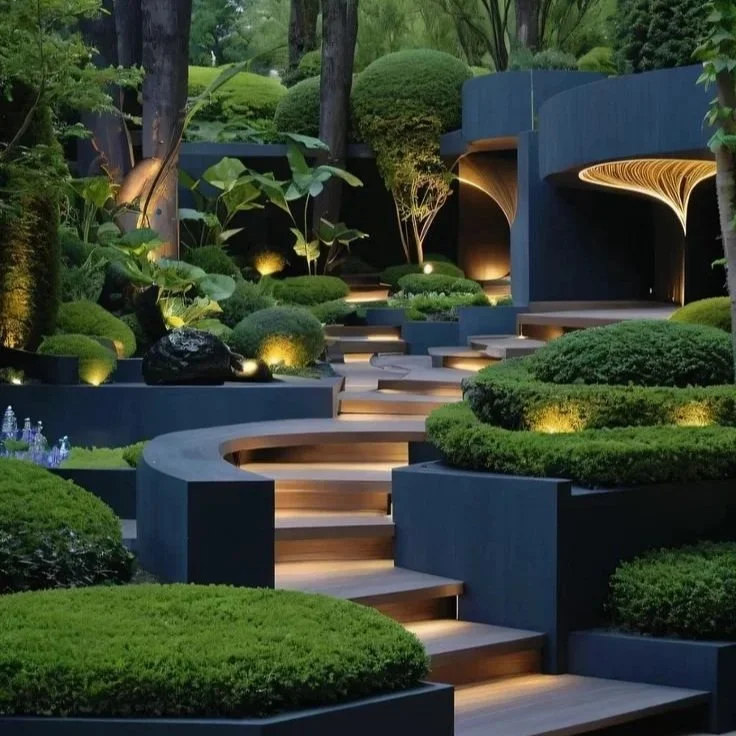
Introduction: Why a Garden Theme Is the Foundation of Good Design
A garden theme is not just a “style preference.” It is the design direction that governs everything—layout, materials, plant selection, furniture, lighting, and even maintenance levels.
Without a clear theme, gardens often end up looking like a collection of unrelated ideas:
modern benches next to tropical plants
random paving patterns
mixed colors and conflicting textures
The result is visual confusion instead of harmony.
A strong garden theme solves this by giving the landscape:
identity
consistency
emotional tone
design discipline
In simple terms:
A garden theme is the personality of your outdoor space.
This guide breaks down how to choose a theme like a professional designer, using frameworks, comparison tables, and practical decision systems.
1. Understanding What a Garden Theme Really Is
A garden theme is a unifying design language that influences all decisions.
It answers:
What should the garden feel like?
What materials should dominate?
What plants belong here?
What emotions should the space evoke?
Theme influences:
| Design Element | How Theme Affects It |
|---|---|
| Layout | Formal vs organic structure |
| Plants | Tropical, native, structured, or wild |
| Materials | Stone, wood, concrete, gravel |
| Furniture | Minimal, rustic, luxury, natural |
| Lighting | Warm, dramatic, subtle, functional |
2. The First Step: Understanding Your Lifestyle
Before choosing a theme, you must analyze how the space will be used.
Lifestyle assessment table:
| Question | Impact on Theme |
|---|---|
| Do you entertain often? | Requires social-focused themes |
| Do you prefer quiet spaces? | Needs calm, minimal themes |
| Do you want low maintenance? | Avoid complex lush themes |
| Do you love nature density? | Tropical or natural themes work |
| Do you prefer clean lines? | Modern or minimalist themes |
Key idea:
The best garden theme is not the most beautiful—it is the most compatible with your lifestyle.
3. Major Garden Theme Categories
Most landscape designs fall into 6 core themes.
1. Modern Minimalist Garden
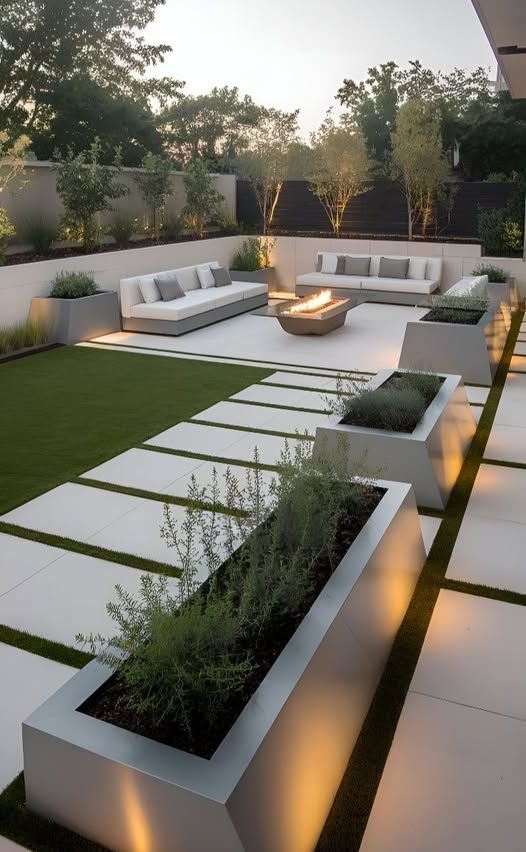
Clean, structured, and intentional.
| Feature | Description |
|---|---|
| Layout | Straight lines, geometric shapes |
| Plants | Limited, structured species |
| Materials | Concrete, steel, stone |
| Color palette | Neutral tones |
Best for:
urban homes
professionals
low visual clutter preference
2. Tropical Garden Theme
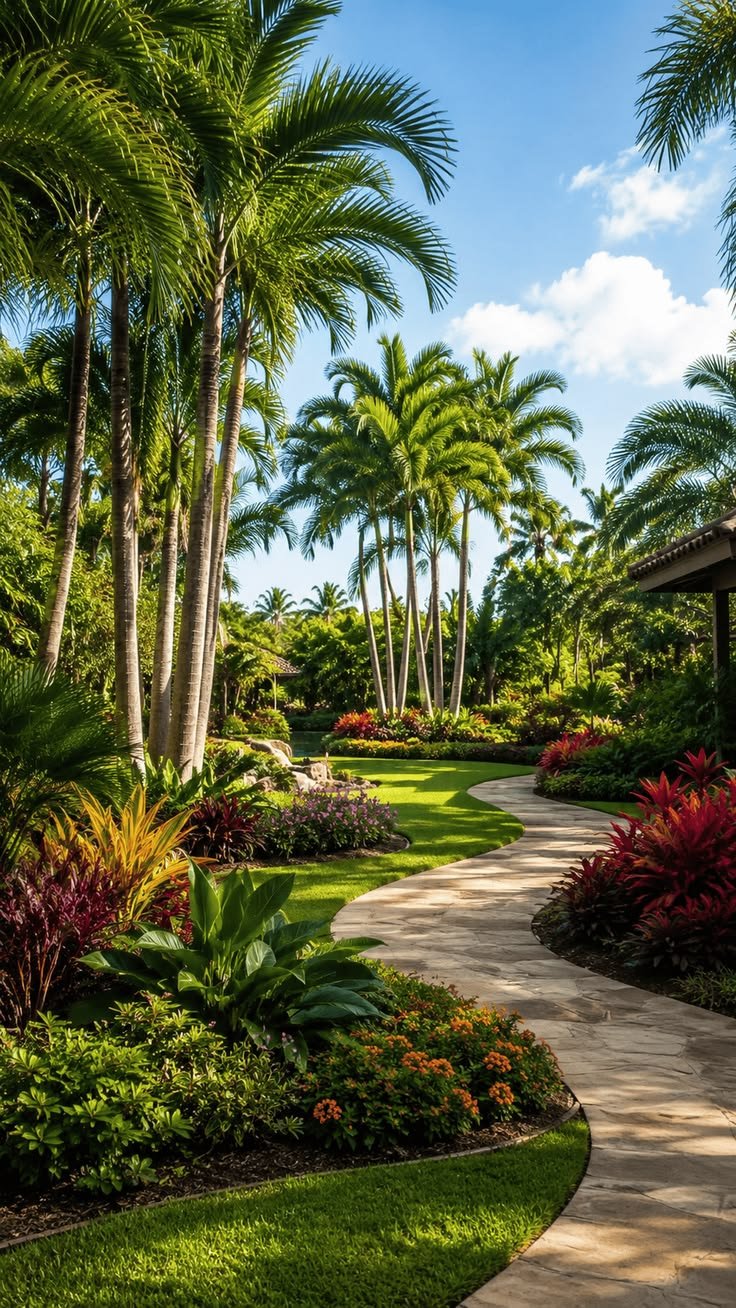
Lush, dense, and natural.
| Feature | Description |
|---|---|
| Layout | Organic, flowing |
| Plants | Dense greenery, palms |
| Materials | Natural stone, wood |
| Mood | Relaxed and vibrant |
Best for:
warm climates (like Kenya)
resort-style homes
nature lovers
3. Naturalistic / Wild Garden
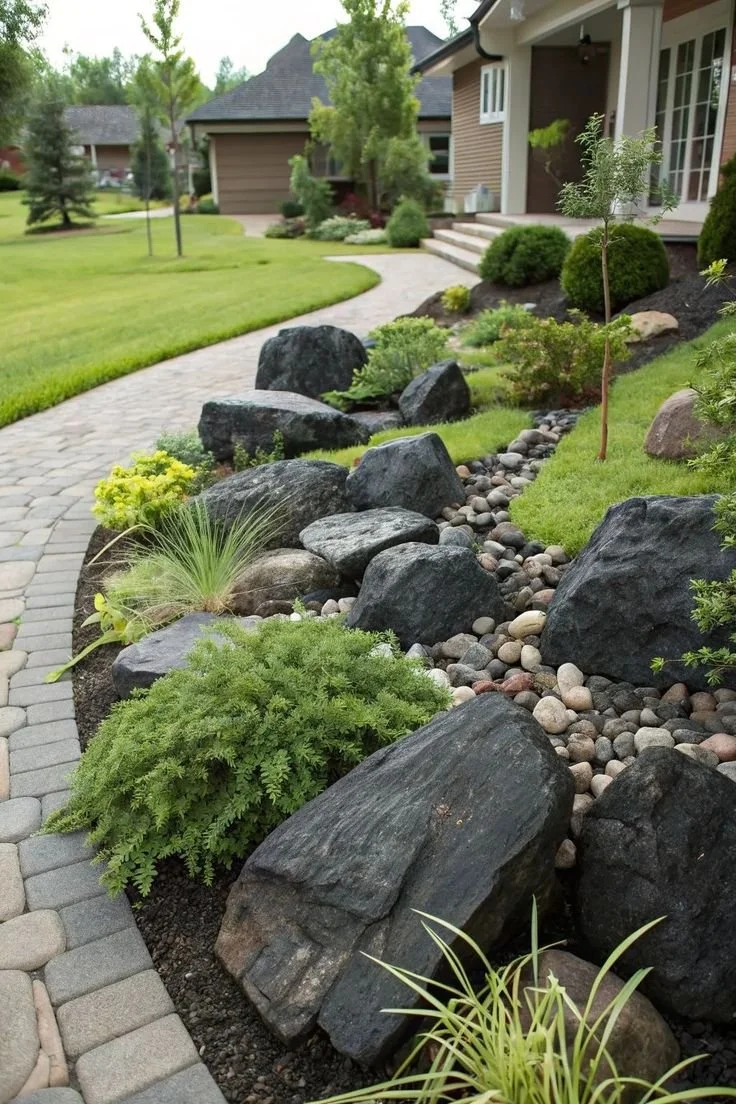
Looks like nature designed it.
| Feature | Description |
|---|---|
| Layout | Irregular, flowing |
| Plants | Native species, wild grasses |
| Materials | Minimal intervention |
| Maintenance | Low to moderate |
Best for:
eco-friendly designs
rural or large plots
4. Formal Classical Garden
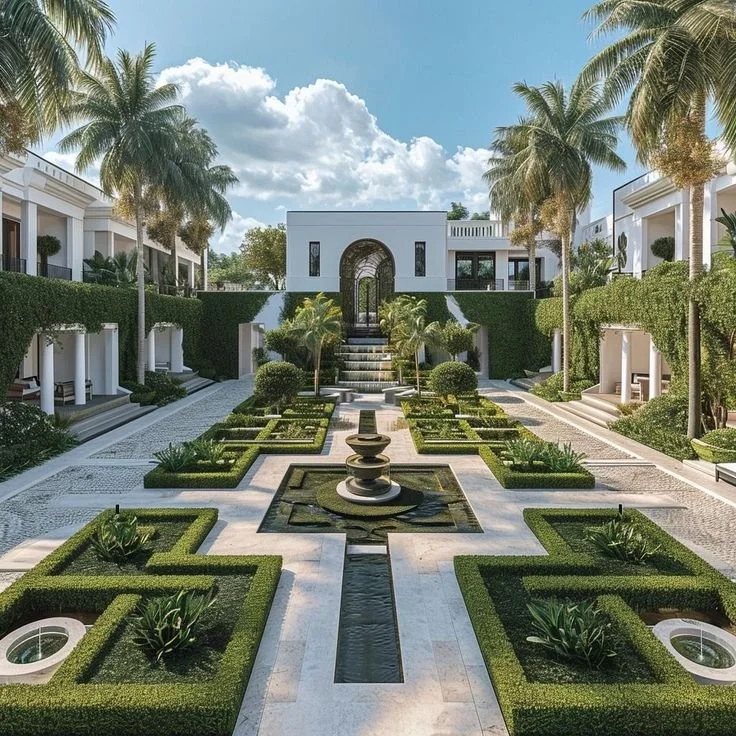
Structured and symmetrical.
| Feature | Description |
|---|---|
| Layout | Symmetry, axis-based |
| Plants | Hedged, pruned |
| Materials | Stone, marble, brick |
| Mood | Elegant and controlled |
Best for:
large estates
institutional landscapes
5. Cottage Garden Theme
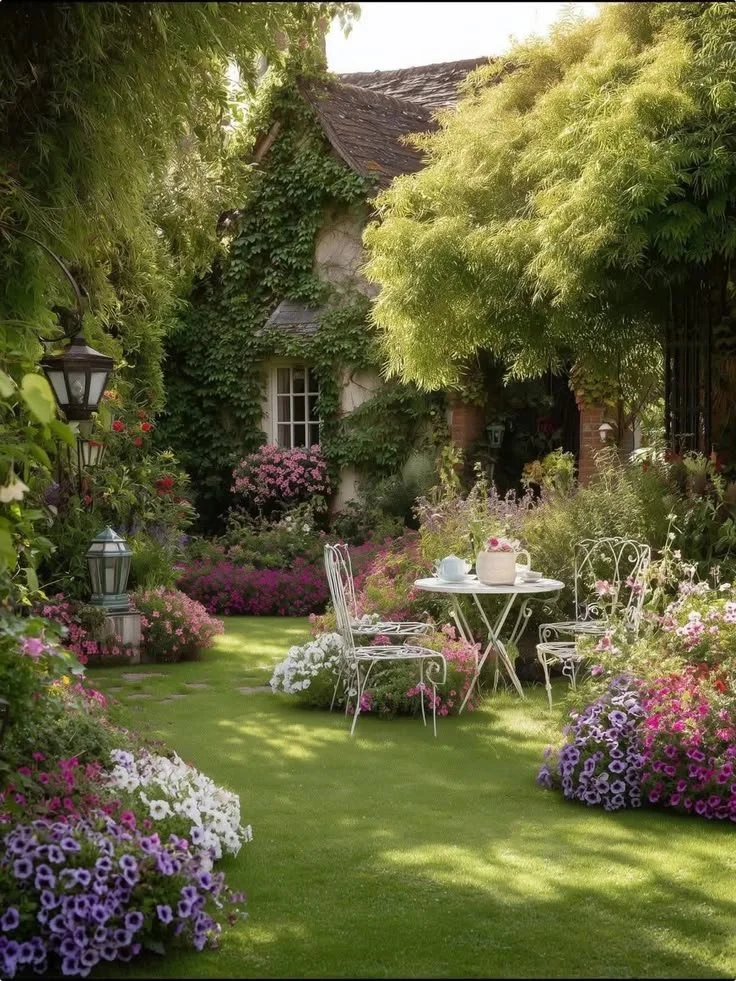
Romantic and colorful.
| Feature | Description |
|---|---|
| Layout | Informal but dense |
| Plants | Flowers, mixed textures |
| Materials | Brick, timber |
| Mood | Soft, nostalgic |
Best for:
small gardens
decorative spaces
6. Mediterranean Theme
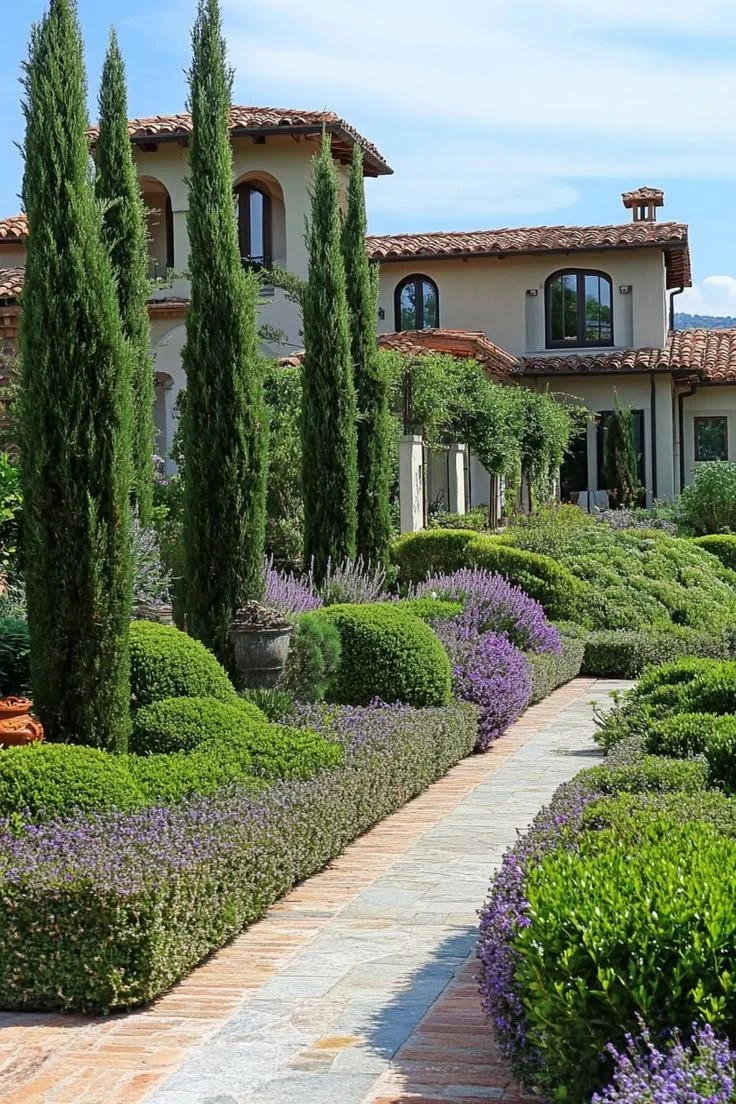
Dry-climate inspired elegance.
| Feature | Description |
|---|---|
| Layout | Open, sun-focused |
| Plants | Olive, lavender, succulents |
| Materials | Terracotta, gravel |
| Mood | Warm and earthy |
Best for:
hot climates
low-water gardens
4. Theme Comparison Matrix
This helps you quickly compare styles.
Garden theme matrix:
| Feature | Description |
|---|---|
| Layout | Symmetry, axis-based |
| Plants | Hedged, pruned |
| Materials | Stone, marble, brick |
| Mood | Elegant and controlled |
5. Emotional Design Framework (Very Important)
Every garden theme creates an emotional response.
Emotion mapping:
| Theme | Emotion |
|---|---|
| Modern | Calm, clarity, control |
| Tropical | Relaxation, escape |
| Natural | Freedom, openness |
| Formal | Prestige, order |
| Cottage | Warmth, nostalgia |
| Mediterranean | Warm leisure |
Design insight:
People don’t remember plant species—they remember how a space made them feel.
6. How to Choose the Right Theme (Step-by-Step Framework)
Step 1: Analyze climate
| Climate | Suitable Themes |
|---|---|
| Hot & dry | Mediterranean, Minimalist |
| Warm & humid | Tropical, Natural |
| Temperate | Cottage, Formal |
Step 2: Define maintenance level
| Preference | Theme Direction |
|---|---|
| Low maintenance | Minimalist, Natural |
| Medium | Tropical, Cottage |
| High | Formal |
Step 3: Define budget
| Budget | Theme Choice |
|---|---|
| Low | Natural, Cottage |
| Medium | Tropical, Minimalist |
| High | Formal, Luxury Tropical |
Step 4: Define lifestyle
| Lifestyle | Best Themes |
|---|---|
| Social entertainer | Tropical, Mediterranean |
| Private relaxation | Minimalist, Natural |
| Luxury focus | Formal, Tropical |
| Creative/artistic | Cottage, Natural |
7. Theme Blending (Advanced Design Technique)
Sometimes a single theme is not enough.
Safe combinations:
| Primary Theme | Secondary Theme | Result |
|---|---|---|
| Modern | Tropical | Clean luxury garden |
| Tropical | Natural | Jungle-style garden |
| Minimalist | Mediterranean | Dry modern garden |
| Formal | Tropical | Luxury estate garden |
Rule:
8. Planting Strategy Based on Theme
Theme → Plant relationship table:
| Theme | Plant Style |
|---|---|
| Modern | Sculptural, structured plants |
| Tropical | Dense layered planting |
| Natural | Native, wild species |
| Formal | Hedged and pruned plants |
| Cottage | Flower-heavy planting |
| Mediterranean | Drought-resistant plants |
9. Material Selection by Theme
Materials guide:
| Theme | Preferred Materials |
|---|---|
| Modern | Concrete, steel, glass |
| Tropical | Timber, stone, bamboo |
| Natural | Earth, gravel, untreated wood |
| Formal | Marble, brick, stone |
| Cottage | Brick, timber, gravel |
| Mediterranean | Terracotta, limestone |
10. Common Mistakes When Choosing a Theme
| Mistake | Result |
|---|---|
| Mixing too many themes | Visual chaos |
| Ignoring climate | Plant failure |
| Copying Pinterest without adaptation | Poor performance |
| Choosing based only on aesthetics | Functional mismatch |
| No consistency in materials | Broken design language |
11. Theme Consistency Checklist
Before finalizing any design, check:
Does the plant palette match the theme?
Are materials consistent across the space?
Does the layout support the theme?
Does the lighting match the mood?
Does the furniture align with style?
If any answer is “no,” the theme is not yet stable.
12. Example: Theme Application in a Real Garden
Tropical Modern Hybrid Example:
| Element | Design Decision |
|---|---|
| Layout | Clean geometry with soft curves |
| Plants | Palms + structured shrubs |
| Materials | Concrete + natural stone |
| Furniture | Minimal modern outdoor sets |
| Lighting | Warm ambient lighting |
Result:
A luxury, resort-like garden that is still clean and functional.
Conclusion: Theme Is the DNA of Your Garden
Choosing a garden theme is not decoration—it is decision architecture.
A strong theme ensures:
visual harmony
functional clarity
long-term consistency
easier maintenance decisions
stronger emotional impact
When you define your theme early, every other design decision becomes easier and more intentional.
A well-themed garden doesn’t just look good—it feels coherent, lived-in, and complete.
