
LOW-MAINTENANCE LANDSCAPE LAYOUTS
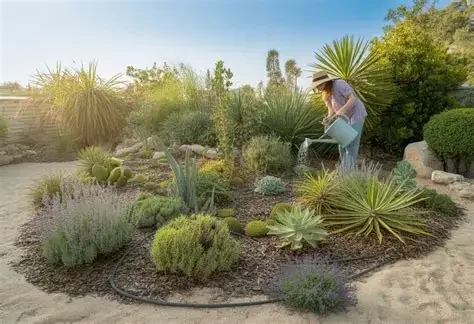
Introduction: The Real Meaning of a Low-Maintenance Garden
A low-maintenance garden is often misunderstood as a “simple” or “bare” garden. In reality, it is the opposite—it is a highly intelligent design system that reduces effort, water use, pruning frequency, and long-term upkeep while maintaining strong visual impact.
In professional landscape architecture, low-maintenance design is not about removing beauty. It is about:
selecting the right plants
designing efficient layouts
reducing unnecessary complexity
automating or simplifying care systems
In fast-paced urban lifestyles (like most Kenyan homes and developments), a garden that requires constant attention quickly becomes unsustainable. The goal is to design spaces that look good even when not constantly maintained.
1. The Core Principles of Low-Maintenance Landscaping
Every successful low-maintenance garden is built on five core principles:
1. Right Plant, Right Place
Plants must match:
climate conditions
soil type
sunlight exposure
water availability
2. Simplicity in Design
Fewer design elements = fewer maintenance tasks.
3. Efficient Irrigation
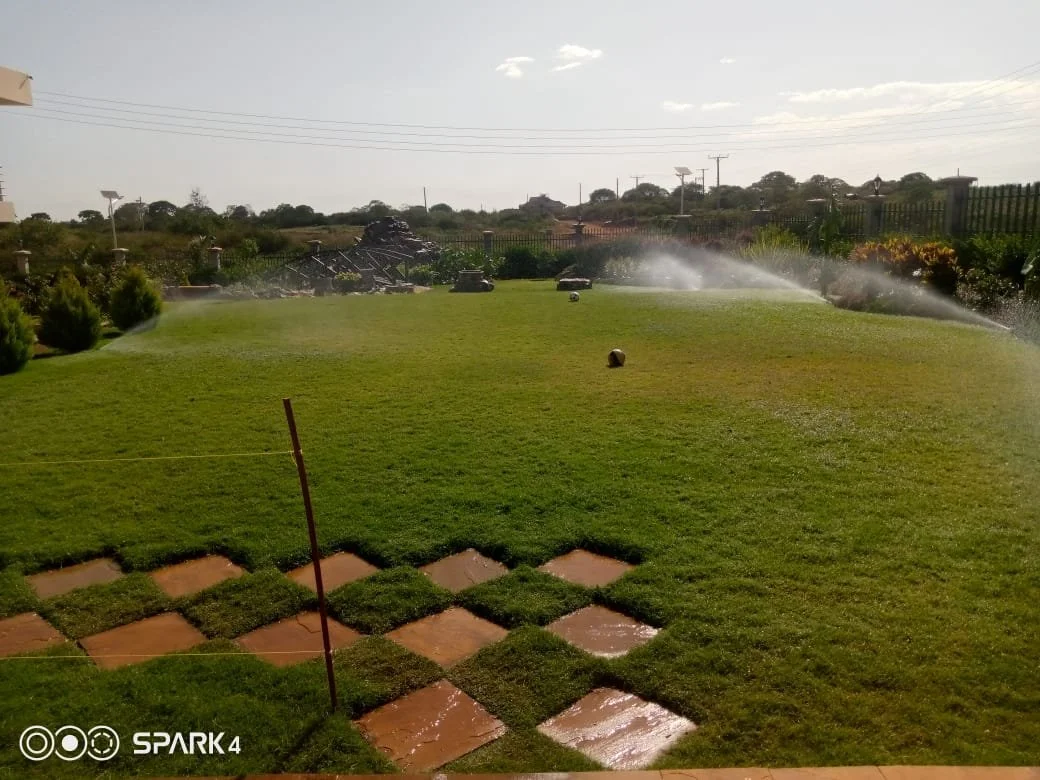
Water management systems should be strategically focused on efficiency and sustainability, ensuring that every drop is used wisely and effectively, while minimizing waste and environmental impact.y focused on efficiency and sustainability, ensuring that every drop is used wisely and effectively, while minimizing waste and environmental impact.
4.Mulching & Ground Cover
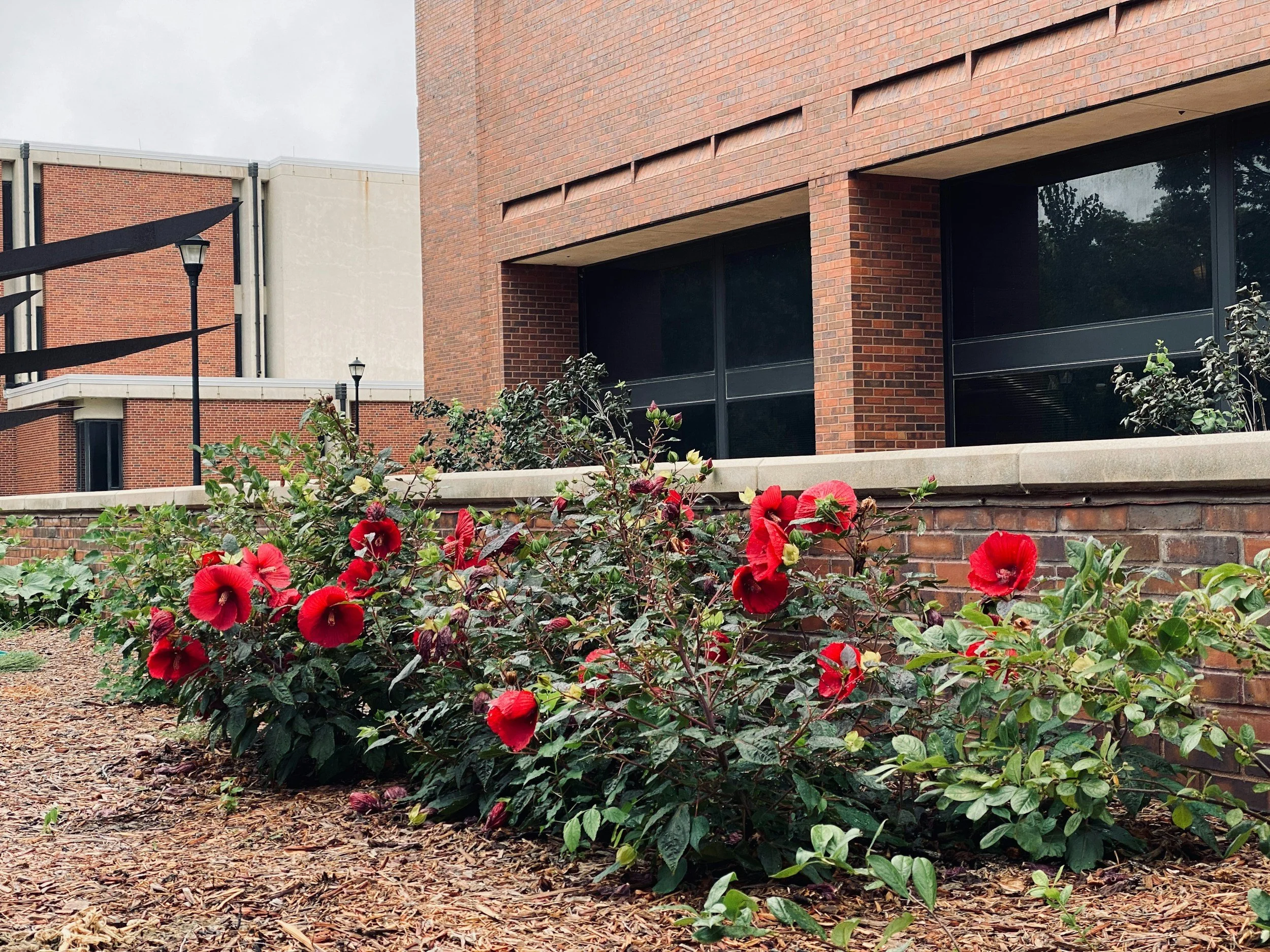
Bare soil can lead to increased maintenance challenges in your garden or landscape, as it often results in weed growth, erosion, and moisture loss. By implementing mulching and incorporating ground cover plants, you can significantly reduce these issues. Mulching not only suppresses weeds but also helps retain soil moisture, regulates temperature, and adds organic matter as it breaks down. Meanwhile, ground cover plants create a lush carpet that protects the soil underneath, enhances biodiversity, and minimizes the need for frequent upkeep. Together, these strategies create a thriving and resilient ecosystem, turning your outdoor space into a beautiful and low-maintenance sanctuary.
5. Durable Materials
Hardscape elements should be designed and constructed to withstand the test of time, requiring minimal maintenance and repair over the years. This ensures that they not only retain their functionality and aesthetic appeal but also develop a natural patina that enhances their beauty as they age.
2. Designing a Low-Maintenance Layout
A carefully crafted layout plays a significant role in minimizing maintenance efforts by effectively managing several key factors.
Firstly, it controls movement patterns, which helps in directing foot traffic and equipment usage in a way that prevents soil compaction and wear.
Secondly, it regulates plant density, ensuring that plants are spaced appropriately to promote healthy growth while minimizing competition for resources.
Additionally, a thoughtful design reduces soil exposure by maximizing ground cover and preventing erosion, thereby protecting soil health.
Lastly, it delineates irrigation zones more effectively, allowing for targeted watering that conserves water and ensures that each plant receives the optimal amount of moisture according to its specific needs.
This comprehensive approach not only enhances the aesthetics of the landscape but also contributes to its sustainability and longevity.
Basic low-maintenance zoning system:
[Entrance Zone]
      ↓
[Hardscape Pathway]
      ↓
[Primary Seating Zone]
      ↓
[Low-Maintenance Plant Beds]
      ↓
[Minimal Irrigation Zone]
      ↓
[Utility Zone]
Key idea:
The more structured the layout, the easier it is to maintain.
3. Plant Selection Strategy for Low Maintenance Gardens
Plant choice is the biggest factor in maintenance levels.
You should prioritize:
slow-growing plants
drought-resistant species
native plants
self-sustaining ground covers
Recommended low-maintenance plant groups:
🌳 Trees (Minimal pruning required)
| Plant | Benefit |
|---|---|
| Neem | Very drought tolerant |
| Acacia | Fast shade, low care |
| Jacaranda | Seasonal beauty, minimal upkeep |
| Terminalia | Strong structure, low leaf drop |
🌿 Shrubs (Structure without constant trimming)
| Plant | Benefit |
|---|---|
| Bougainvillea | Minimal watering |
| Duranta | Natural shaping |
| Lantana | Hardy and resilient |
| Ixora | Compact flowering |
🌱 Ground covers (Weed suppression layer)
| Plant | Benefit |
|---|---|
| Wedelia | Fast spreading |
| Sweet potato vine | Covers soil quickly |
| Asystasia | Shade tolerant |
| Grass alternatives | Reduces mowing |
Maintenance intensity chart:
4. Lawn vs No-Lawn Design Strategy
Lawns are one of the highest maintenance elements in any garden.
Lawn maintenance requirements:
frequent mowing
watering
fertilizing
pest control
Alternative low-maintenance options:
| Option | Maintenance Level | Benefit |
|---|---|---|
| Artificial grass | Very low | No watering |
| Gravel garden | Very low | Modern look |
| Groundcover planting | Low | Natural feel |
| Decking | Low | Clean aesthetic |
Design recommendation:
Reduce lawn area to only functional spaces (not entire gardens).
5. Hardscape Design for Minimal Maintenance
Hardscape is your maintenance reduction tool.
Best materials for low maintenance:
| Material | Why It Works |
|---|---|
| Concrete pavers | Durable, easy cleaning |
| Natural stone | Long-lasting |
| Gravel | No mowing required |
| Timber decking | Controlled maintenance |
| Exposed aggregate | Hides dirt well |
MaterialWhy It WorksConcrete paversDurable, easy cleaningNatural stoneLong-lastingGravelNo mowing requiredTimber deckingControlled maintenanceExposed aggregateHides dirt well
Hardscape ratio guideline:
This balance ensures usability without excessive plant maintenance.
6. Irrigation Systems: Reduce Manual Work
Watering is one of the most time-consuming garden tasks.
Irrigation systems ranked:
| System | Maintenance Level | Efficiency |
|---|---|---|
| Drip irrigation | Very low | Very high |
| Automated sprinklers | Low | High |
| Manual watering | High | Low |
Drip irrigation layout example:
Water Source → Main Line → Drip Lines → Plant RootsThis system reduces water waste and eliminates daily watering stress.
7. Mulching: The Maintenance Reducer
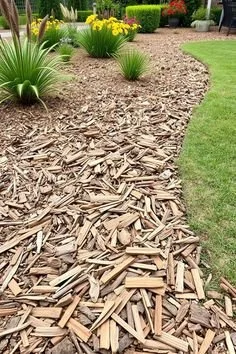
Mulching is one of the simplest ways to reduce garden work.
Benefits:
suppresses weeds
reduces watering needs
improves soil health
stabilizes temperature
Mulch options:
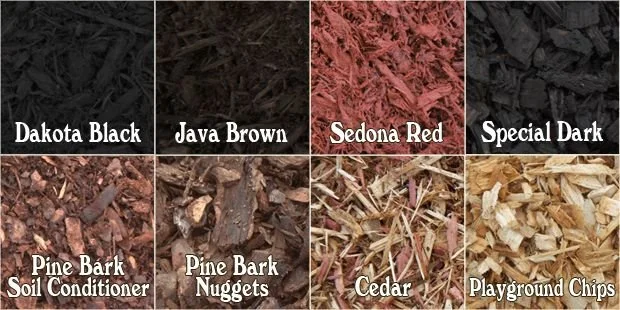
| Material | Maintenance Impact |
|---|---|
| Wood chips | Very low maintenance |
| Gravel mulch | Permanent solution |
| Dry leaves | Seasonal refresh |
| Bark mulch | Aesthetic + functional |
8. Planting Design for Reduced Pruning
Over-pruning is a major maintenance burden.
Low-maintenance planting strategies:
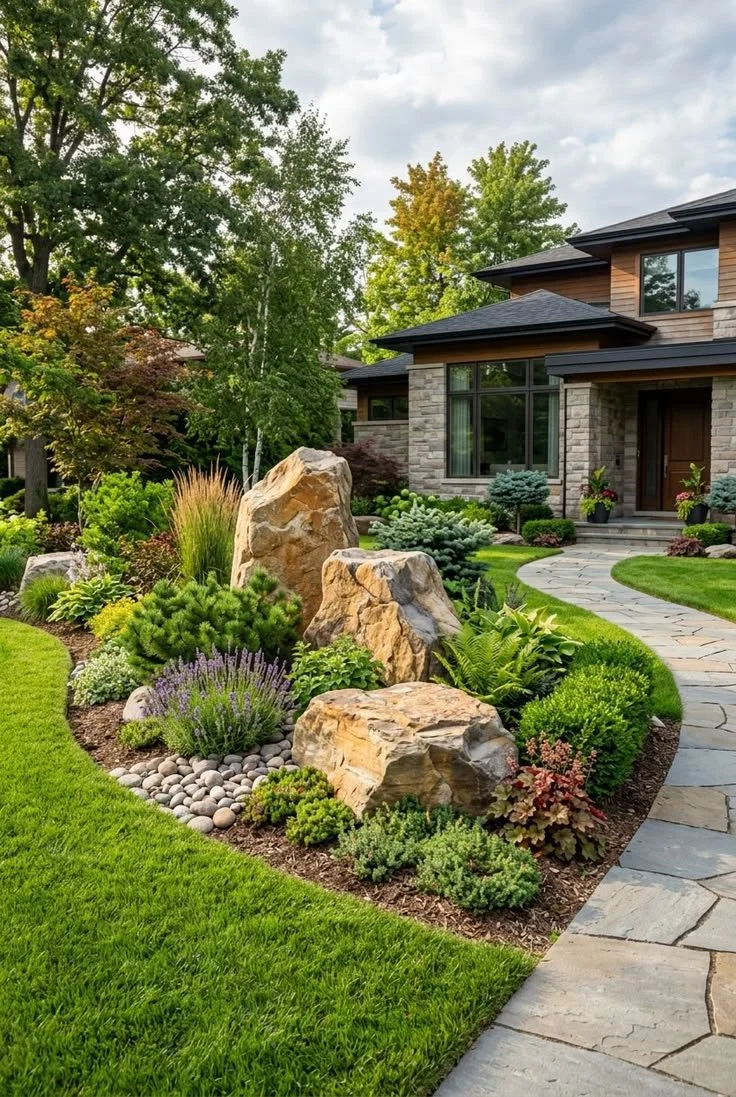
use naturally shaped plants
avoid hedges requiring constant trimming
cluster plants instead of isolating them
allow natural growth patterns
Plant spacing strategy:
| Density | Effect |
|---|---|
| Dense planting | Low weed growth |
| Moderate spacing | Balanced maintenance |
| Sparse planting | High weed growth |
DensityEffectDense plantingLow weed growthModerate spacingBalanced maintenanceSparse plantingHigh weed growth
9. Smart Zoning for Maintenance Efficiency
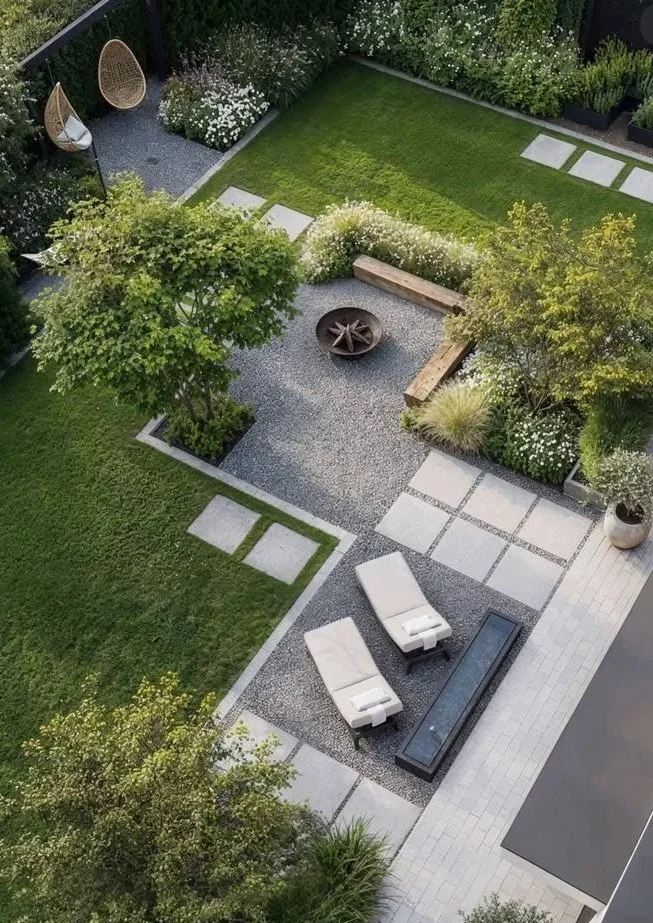
Not all areas in a garden should have equal maintenance needs.
Maintenance zoning:
| Zone | Maintenance Level |
|---|---|
| Entrance zone | Medium (visual focus) |
| Lounge zone | Low (comfort priority) |
| Lawn zone | Medium to high |
| Boundary zones | Very low |
| Utility zones | Minimal |
Maintenance heat map concept:
High Maintenance 🔴 → Entrance / focal areas
Medium Maintenance 🟠 → Lawn / seating zones
Low Maintenance 🟢 → Boundaries / background planting
10. Seasonal Maintenance Planning
Even low-maintenance gardens need structured seasonal care.
Maintenance schedule table:
| Season | Tasks |
|---|---|
| Dry season | Irrigation check, mulch top-up |
| Wet season | Drainage inspection, pruning |
| Quarterly | Fertilizer application |
| Annually | Structural review |
Monthly workload distribution:
This ensures maintenance is predictable and not overwhelming.
11. Lighting & Utilities for Low Maintenance
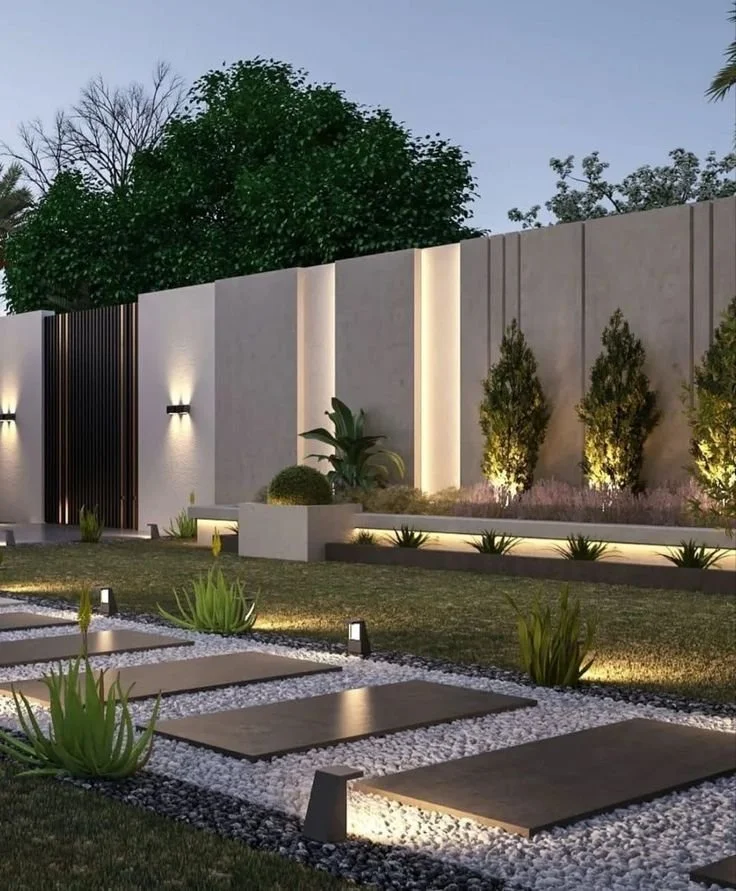
Lighting systems should also reduce effort.
Best options:
solar lighting (no wiring maintenance)
motion sensor lights
LED low-energy systems
Utility planning:
hide irrigation valves
centralize control systems
use weatherproof materials
12. Common Mistakes in Low-Maintenance Design
| Mistake | Result |
|---|---|
| Choosing high-care plants | Constant upkeep |
| Over-designing lawns | High mowing frequency |
| Poor drainage planning | Plant failure |
| No mulch use | Weed infestation |
| Fragmented layouts | Hard maintenance access |
13. Ideal Low-Maintenance Garden Layout Example
Sample structure:
| Zone | Design Strategy |
|---|---|
| Entrance | Hardscape + accent plants |
| Main garden | Mixed drought plants |
| Lounge area | Pergola + gravel base |
| Lawn strip | Minimal functional grass |
| Boundaries | Dense low-care shrubs |
| Utility area | Hidden, functional zone |
Conclusion: Smart Design Reduces Effort, Not Beauty
A low-maintenance garden is not a “lazy” design—it is a strategically engineered landscape system.
When done correctly, it:
reduces daily workload
lowers water consumption
minimizes pruning and upkeep
maintains year-round visual appeal
The key is not doing less—it is designing smarter from the start.
A truly successful landscape is one that looks intentional even when nature is allowed to take part in its evolution.
