
CREATING FOCAL POINTS IN LANDSCAPES

Introduction: Why Focal Points Make or Break a Garden
A garden without a focal point feels like a room with no furniture arranged around intention—everything exists, but nothing matters more than anything else.
That’s the problem many landscapes have: they are visually “busy” but emotionally flat.
A focal point solves this by giving the eye a place to land, pause, and understand what the space is about.
In landscape design, focal points are not decoration—they are visual anchors that organize everything else.
They determine:
where attention goes first
how space is perceived
how movement is guided
how memorable the garden becomes
This blog breaks down how to design focal points intentionally using hierarchy systems, attention mapping, and real layout strategies.
1. What Is a Focal Point in Landscape Design?
A focal point is a standout feature in a space that effortlessly captures attention, often becoming the first element that draws the eye. This captivating element can take various forms, such as:
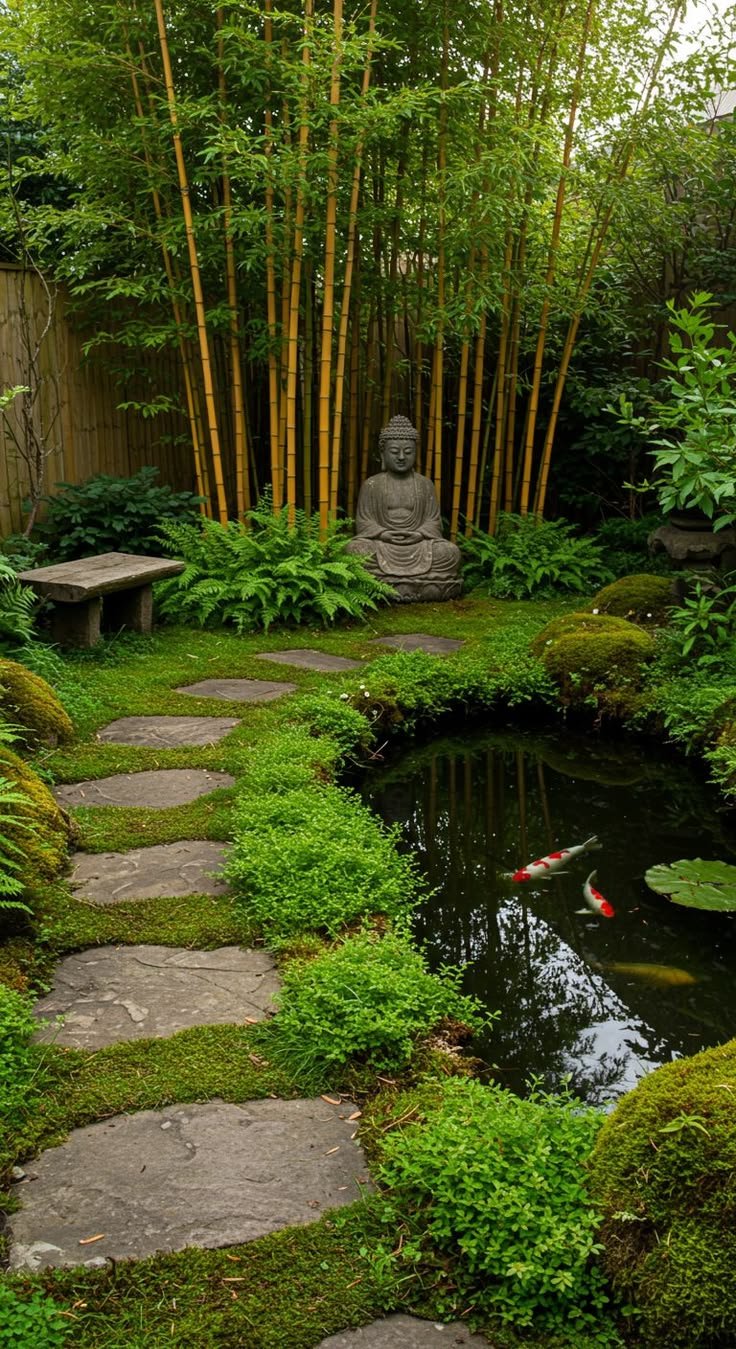
A majestic tree, its branches sprawling wide and leaves rustling in the breeze, providing a sense of natural grandeur.
An artistic sculpture, meticulously crafted, which invites viewers to ponder its meaning while serving as a striking visual anchor.
A serene water feature, where the gentle sound of flowing water creates a tranquil atmosphere, inviting visitors to pause and reflect.
cozy seating pavilion, designed for comfort, that not only offers a gathering space but also enhances the aesthetic of the surroundings.
A dramatic cluster of vibrant plants, with varied shapes and colors, that creates a lively spectacle and enhances the natural beauty of the area.
A warm firepit, where flickering flames dance and draw people together for conversation and warmth, adding both charm and functionality.
An architectural structure, such as a gazebo or terrace, that stands out with its design and materials, framing the space beautifully and inviting exploration.
Each of these elements serves as a compelling focal point, enriching the environment and engaging those who experience it.
Simple definition:
A focal point is the visual “main character” of a garden.
2. Why Focal Points Are Essential
Without Focal Points:
The Eye's Journey: Without focal points, the viewer's gaze flits aimlessly across the landscape, mirroring the sensation of being adrift. The absence of clear visual anchors makes it difficult for one’s eyes to settle, creating a frustrating experience.
Incompleteness of Space: The space emanates an unsettling feeling of incompleteness, as if vital elements that could unify the design are missing. This lack of cohesion leaves a sense of longing for structure and purpose.
Design Elements in Competition: Various design features clash rather than blend, creating a chaotic visual environment where colors, textures, and shapes wrestle for dominance. This overlap leads to confusion, preventing a harmonious narrative from unfolding.
With Focal Points:
A Harmonious Garden: The introduction of focal points transforms the garden into a meticulously curated space. These designated elements—such as a striking sculpture or a vibrant flower bed—act as guiding stars, providing a clear structure that enhances appreciation.
Flow and Direction: With clearly defined focal points, movement through the garden is transformed into a purposeful journey. Each path naturally leads visitors from one captivating element to another, encouraging exploration and engagement with the surroundings.
Visual Hierarchy: The presence of focal points establishes a compelling visual hierarchy, distinguishing primary elements from supplementary ones. This organization guides attention where it is most impactful, creating an inviting and engaging experience for observers.
Intentional Design: When focal points are thoughtfully integrated, the space radiates a sense of intention and purpose. Every element appears deliberately chosen, contributing to a cohesive aesthetic that resonates with viewers on a deeper level.
Emotional Effect Comparison:
With No Focal Point:
Confusing: The viewer feels lost amidst the visual chaos.
Visually Noisy: An overwhelming clash of elements creates distraction rather than harmony.
Forgettable: The experience lacks a lasting impression, quickly fading from memory.
Flat: The overall design feels two-dimensional, lacking depth and interest.
With Strong Focal Point:
Clear: The presence of focal points provides clarity, allowing for easy navigation and understanding.
Organized: The design feels well-structured, creating a harmonious visual environment.
Memorable: Strong focal points leave a lasting impact, enhancing the overall experience.
Layered: The design conveys depth and richness, inviting viewers to explore its intricacies.
This more descriptive overview captures how focal points significantly enhance the visual and emotional experience of a space, turning disorder into a captivating narrative.
3. Types of Focal Points in Gardens
Not all focal points are equal. They fall into three categories:
1. Natural focal points
These features are either naturally occurring in the environment or derived from plants, and they play a vital role in enhancing the aesthetics and character of outdoor spaces.
Examples include:
Majestic large trees: Towering above their surroundings, these trees provide ample shade, serve as a habitat for diverse wildlife, and contribute to the overall biodiversity of the garden. Their sturdy trunks and expansive canopies create a sense of grandeur and offer a serene gathering place for people and animals alike.
Lush clusters of palm trees: Characterized by their tall, slender trunks and fan-like fronds, these palms evoke an immediate sense of a tropical oasis. They thrive in warm climates and can serve as focal points in a landscape, creating a relaxed and inviting atmosphere reminiscent of beachside paradises.
Vibrant flowering shrubs: Bursting with colorful blossoms throughout the seasons, these shrubs add texture and depth to any garden. Their variety in height, shape, and flower color allows for creative landscaping, while their fragrant blooms attract pollinators like bees and butterflies, contributing to the health of the ecosystem.
Impressive rock formations: These naturally occurring structures provide a striking visual contrast against lush greenery and soft foliage. Their rugged textures and unique shapes can serve as effective backdrops or perhaps create natural pathways, adding dramatic interest while also promoting a sense of permanence in the landscape.
These elements are particularly well-suited for:
Tropical gardens: Aimed at replicating the lush vibrancy of tropical environments, these gardens often feature a diverse range of exotic plants, rich foliage, and colorful blooms, forming an immersive experience that delights the senses.
Natural landscapes: Designed to blend seamlessly with their surroundings, these gardens celebrate the beauty of the natural world, highlighting the interaction between plants, rocks, and wildlife, fostering an appreciation for the environment and encouraging ecological balance.
2. Structural Focal Points.

Structural focal points are prominent architectural features that enhance the functionality and aesthetic appeal of a garden or outdoor space. These man-made elements not only provide visual interest but also serve practical purposes, creating inviting gathering areas and stylish enhancements to the landscape.
Examples of Structural Focal Points:
Pergolas: These are open-roofed structures supported by columns or posts, often used to create shaded walkways, passageways, or outdoor seating areas. A pergola can serve as a beautiful frame for climbing plants and flowers, enhancing the garden's vertical dimension.
Gazebos: Typically freestanding and often octagonal or round, gazebos provide a sheltered space for relaxation and gatherings. They offer a perfect spot for enjoying the outdoors while providing protection from the elements, making them ideal for both sunny and rainy days.
Sculptural Benches: These artistic seating options not only offer a place to rest but also act as focal points themselves. Sculptural benches can be designed in a variety of styles and materials, turning an ordinary seating area into a striking visual element that complements the surrounding landscape.
Walls: Whether they are low stone walls that define boundaries or taller privacy walls that offer seclusion, walls serve both functional and aesthetic roles in garden design. They can create levels, provide support for climbing plants, or serve as a backdrop for other features.
Best Suited For:
These structural elements work exceptionally well in modern gardens, where sleek lines and bold designs are favored. They are also highly effective in formal designs that emphasize order and symmetry, creating a sense of cohesion and elegance throughout the landscape. By incorporating these features, garden designers can create stunning outdoor environments that are both functional and visually captivating.
3. Water or Sensory Focal Points
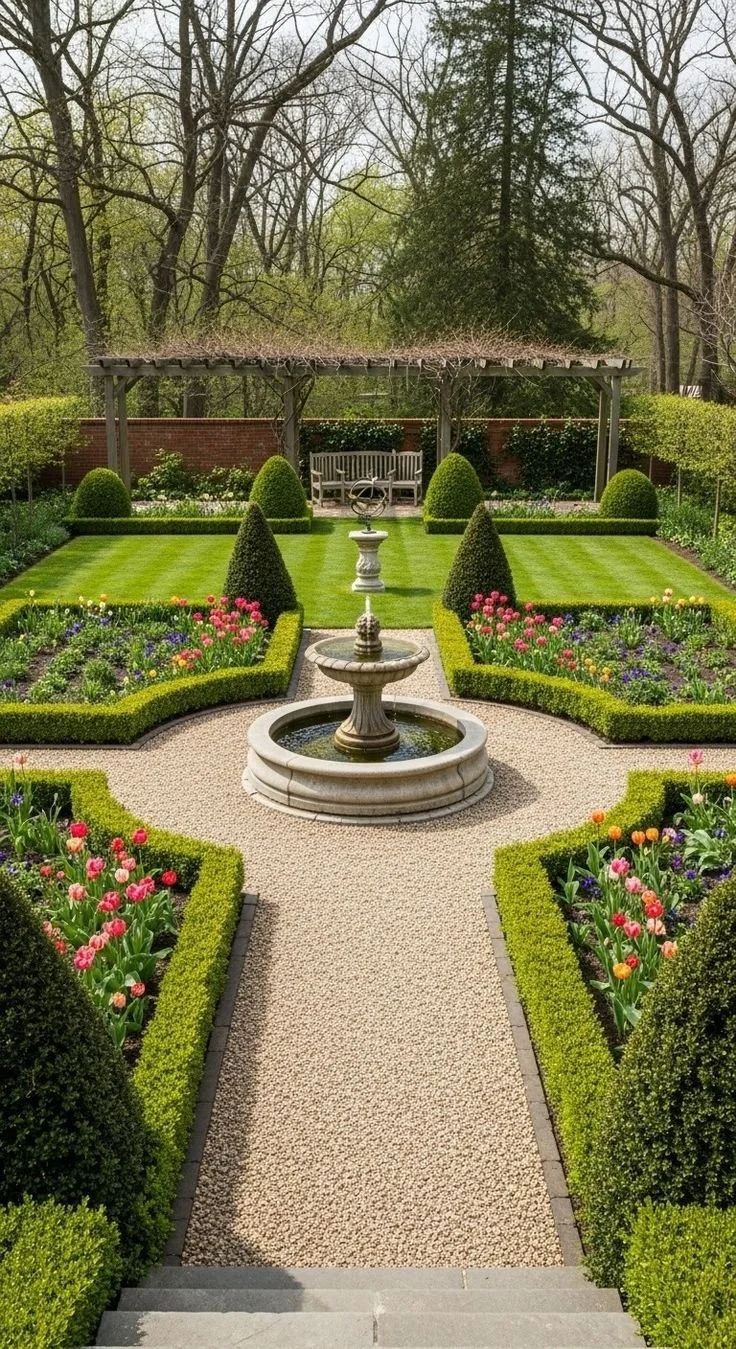
Incorporating water features into your garden or relaxation space can significantly enhance the ambiance by engaging multiple senses. The sound of flowing water, the sight of shimmering reflections, and the coolness of mist can create a peaceful sensory experience.
Examples of Water Features:
Fountains: These can range from simple, elegant wall-mounted designs to elaborate sculptures that become the focal point of the garden. The soothing sound of flowing water from a fountain can mask unwanted noises and create a serene atmosphere.
Ponds: A well-designed pond can serve as a habitat for fish and plants, adding life and color to your garden. Incorporating aquatic plants and larger stones can provide a natural aesthetic and help maintain a balanced ecosystem.
Waterfalls: Whether cascading down rocks in a naturalistic setting or designed with an artistic flair, waterfalls can create a dramatic focal point. Their dynamic sound can evoke feelings of tranquility and connection to nature.
Reflecting Pools:These still bodies of water can provide a space for reflection and contemplation. They not only serve as a mirror for the sky and surrounding landscape but can also enhance the beauty of the garden by creating symmetry and depth.
Best For:
These water features are ideally suited for luxury gardens and relaxation spaces where the primary goal is to foster a tranquil environment. They can be instrumental in creating designated areas for meditation, social gatherings, or simply unwinding after a long day. The presence of water adds a touch of elegance and relaxation that transforms a garden into a sensory retreat.
4. Visual Hierarchy: The Foundation of Focal Design
Visual hierarchy is how the eye prioritizes what it sees first, second, and third.
Hierarchy structure:
Primary Focal Point → Secondary Elements → Background ElementsExample breakdown:
| Level | Garden Element |
|---|---|
| Primary | Sculpture or large tree |
| Secondary | Seating area or planting bed |
| Background | Grass, hedges, fillers |
Key principle:
If everything is important, nothing is important.
5. Attention Mapping in Landscape Design
Attention mapping is the process of predicting where people will look first.
Natural attention triggers:
| Factor | Effect on Attention |
|---|---|
| Height | Taller = more attention |
| Contrast | Bright vs dark stands out |
| Movement | Water or wind attracts eyes |
| Isolation | Solo objects become focal |
| Framing | Encased objects feel important |
Attention flow diagram:
Entry View → First Focal Point → Secondary Discovery → Background Landscape6. How to Position Focal Points Correctly
Placement is more important than the object itself.
Key Placement Rules for Garden Design:
| Method | Effect |
|---|---|
| Solo planting | Strong visual dominance |
| Cluster planting | Soft focal mass |
| Framed planting | Directed attention |
1. Central Axis Placement:
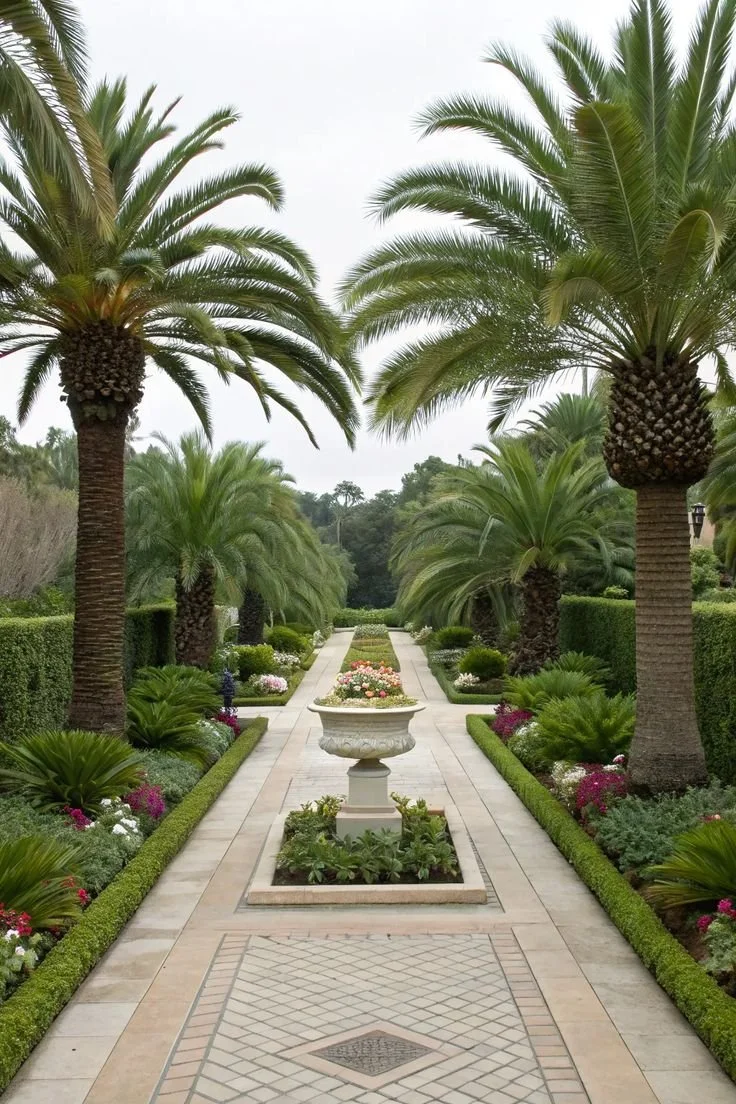
This method is commonly employed in formal and symmetrical gardens, where a central pathway or axis serves as the foundation of the layout. By positioning key elements—such as sculptures, fountains, or significant plantings—along this axis, the design creates a strong visual appeal. This approach not only establishes a sense of order but also enhances the overall balance and harmony of the garden.
2. Corner Anchoring:
In modern and naturalistic garden designs, the technique of corner anchoring is utilized effectively to create a sense of depth and dimension. By strategically placing significant features or tall plants at the corners of the garden, this method draws the eye outward and encourages movement through the space. This placement can make the garden feel larger and more inviting, inviting visitors to explore its various pathways and hidden nooks.
3. End-of-Path Placement:
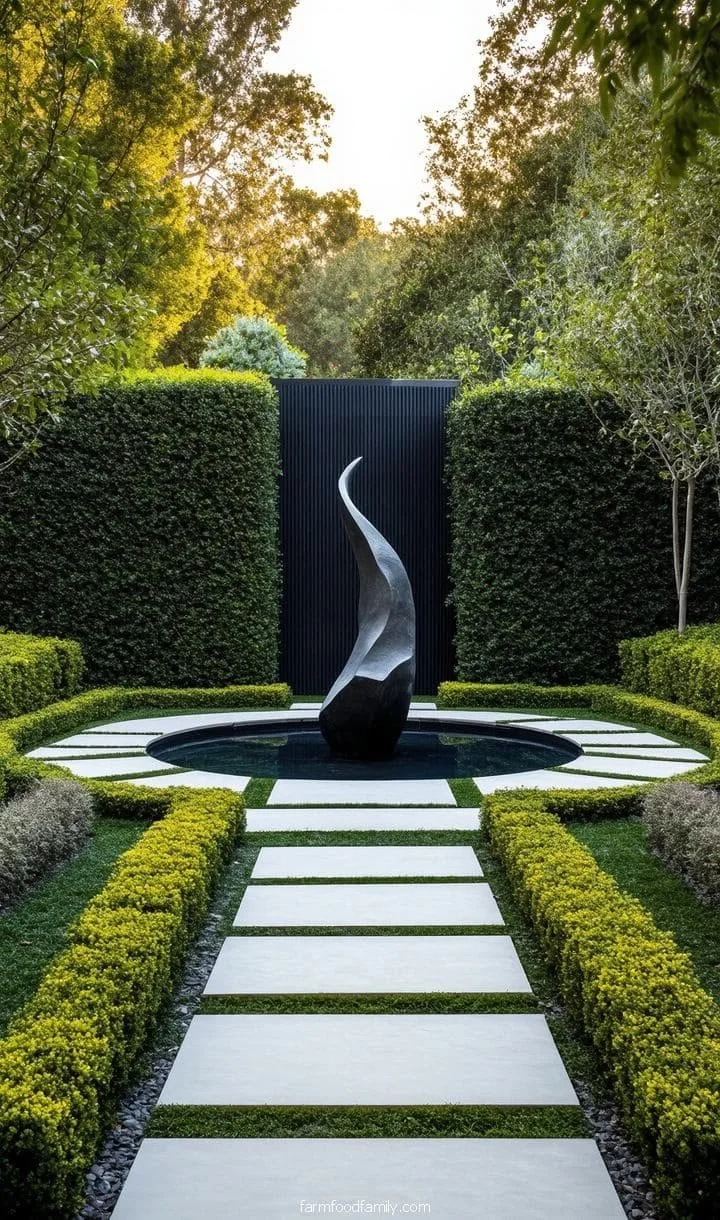
Placing focal points at the end of pathways is a powerful technique to create clear destination points within the garden. This can include an ornate bench, a striking plant arrangement, or a beautiful water feature. Such placements not only guide visitors through the space but also provide a rewarding visual or experiential payoff at the journey's end, enticing them to pause and appreciate the surroundings.
4. Framed Focal Points:
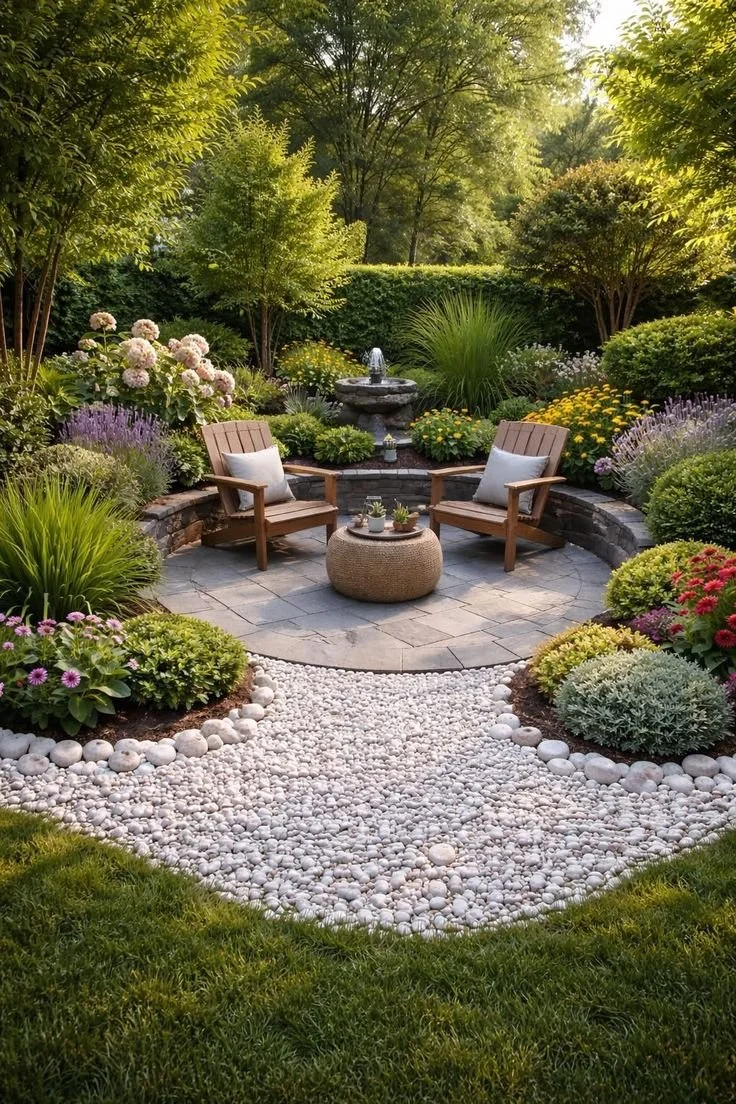
This technique involves using plants, hedges, or structures to create a frame around key features within the garden, effectively highlighting their importance. By carefully arranging elements to draw attention to specific areas—be it a seating area, a sculpture, or a vibrant flower bed—this approach amplifies the visual impact and adds layers of interest. It can create enclosed, intimate spaces or guide the eye toward beautiful vistas, enriching the overall experience of the garden.
7. Scale and Proportion in Focal Design
When designing a garden, it's essential that the focal point aligns with the overall scale and size of the space. This means that the chosen feature, whether it’s a sculpture, a beautiful tree, or a water element, should be appropriately proportioned to create a harmonious balance. A focal point that is too small may get lost among the surrounding landscape, while one that is too large can overwhelm the garden, making it feel cramped and uninviting. Therefore, careful consideration of size and placement is crucial for achieving a cohesive and visually appealing garden design.
Scale guideline table:
| Garden Size | Focal Point Size |
|---|---|
| Small garden | Compact feature |
| Medium garden | Medium structure |
| Large garden | Bold statement feature |
Common mistake:
Using a focal point that is too small for the space makes it disappear visually.
8. Contrast: The Secret to Strong Focal Points
Focal points work best when they contrast their surroundings.
Types of contrast:
| Contrast Type | Example |
|---|---|
| Color | Bright flower bed in green garden |
| Texture | Smooth sculpture in rough plants |
| Shape | Circular feature in linear layout |
| Height | Tall tree in low planting field |
Contrast diagram:
Low Background → High Contrast Object → Eye Focus9. Using Plants as Focal Points
Plants can be powerful focal elements when used correctly.
Best focal plants:
large palms
flowering trees (jacaranda, frangipani)
sculptural agave
bougainvillea trained forms
Plant focal strategy:
| Method | Effect |
|---|---|
| Solo planting | Strong visual dominance |
| Cluster planting | Soft focal mass |
| Framed planting | Directed attention |
10. Water Features as Focal Anchors
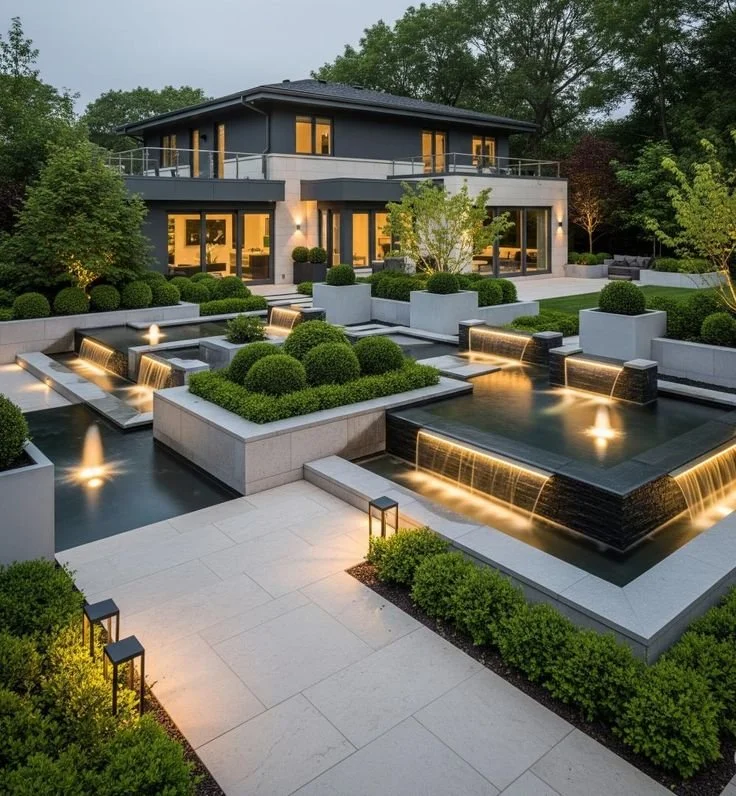
Water naturally attracts human attention due to movement and sound.
Why water works:
reflects light
adds sound dimension
introduces motion
cools perception of space
Water focal layout:
Path → Reflection Pool → Seating Area → Garden View11. Lighting as a Focal Tool
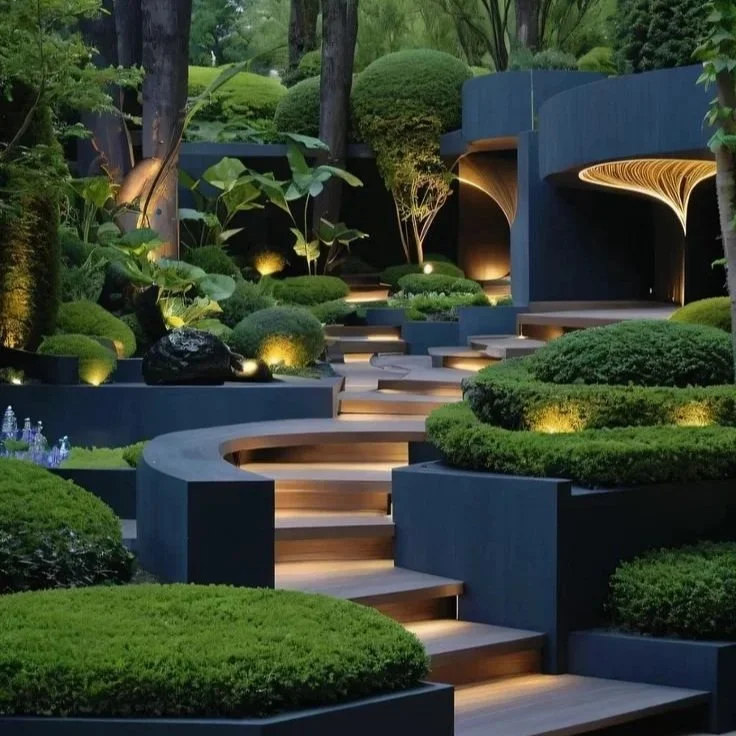
Lighting transforms focal points at night.
Lighting hierarchy:
| Level | Lighting Type |
|---|---|
| Primary | Spotlight on main feature |
| Secondary | Ambient garden lighting |
| Background | Soft path illumination |
Night focal effect:
increases depth
enhances drama
extends usability of garden
12. Common Focal Point Mistakes
| Mistake | Result |
|---|---|
| Too many focal points | Visual confusion |
| No hierarchy | Flat design |
| Poor placement | Weak impact |
| Oversized feature | Overwhelms space |
| Undersized feature | Gets ignored |
13. Real-Life Example: Residential Garden Layout
Design breakdown:
| Zone | Focal Strategy |
|---|---|
| Entrance | Framed planting |
| Lawn | Open negative space |
| Seating area | Pergola as focal anchor |
| Corner | Feature tree |
| Back zone | Water element |
Result:
A balanced garden where the eye is guided, not lost.
14. Advanced Concept: Focal Progression
Great gardens don’t have just one focal point—they have a sequence of focal experiences.
Progression model:
Entry Focal → Mid Focal → Core Focal → Hidden FocalEffect:
encourages movement
creates storytelling
increases engagement
Conclusion: Focal Points Create Meaning in Space
Without focal points, a garden is just space.
With focal points, a garden becomes:
structured
memorable
emotionally engaging
visually intelligent
They are not optional—they are the narrative structure of landscape design.
A well-designed focal system ensures the eye is always guided, the space always feels intentional, and the experience always feels complete
