
CREATING FLOW IN OUTDOOR SPACES
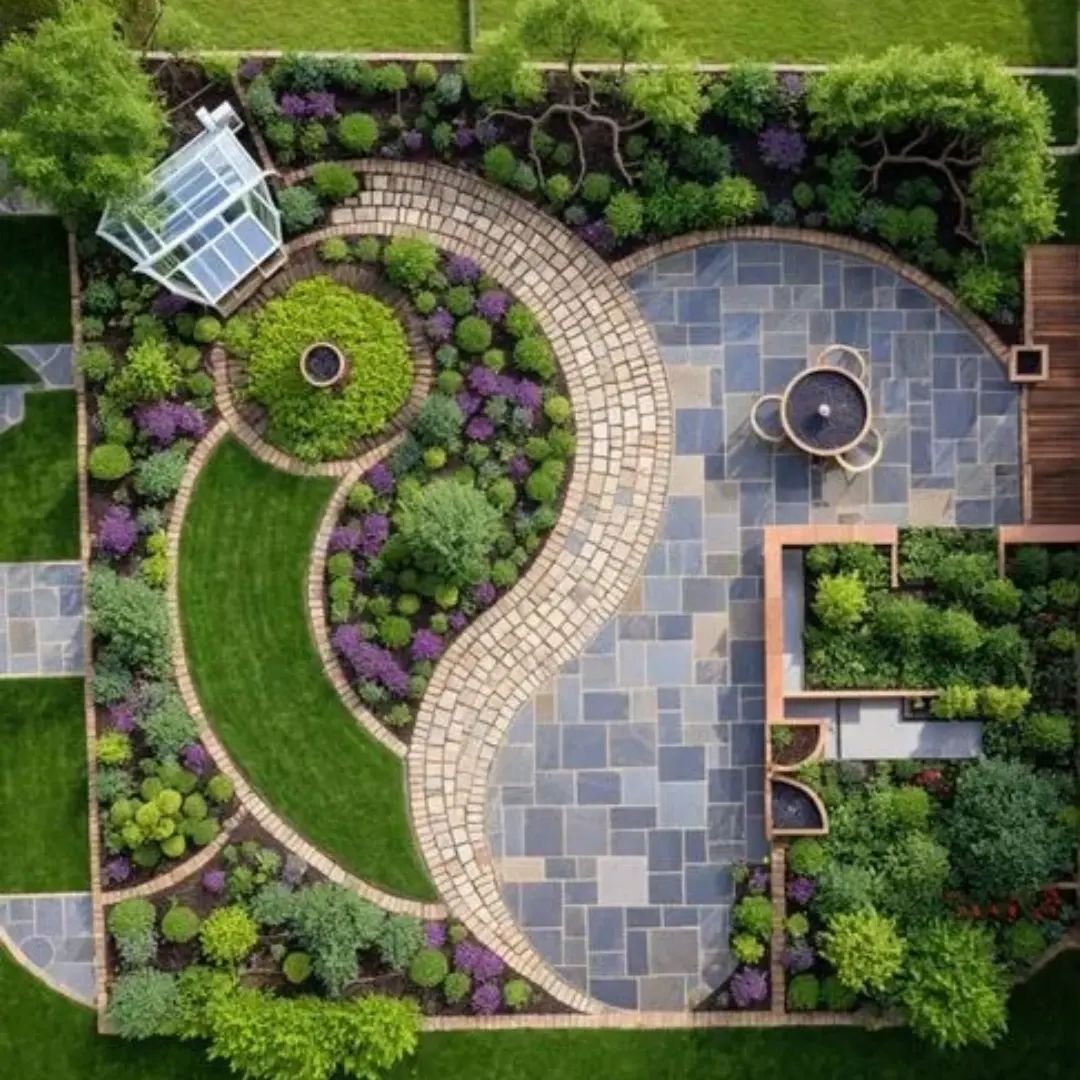
Introduction: Why “Flow” Is the Difference Between a Garden and an Experience
Two gardens can have the same selection of plants, adhere to a similar budget, and utilize identical materials, yet the emotional response they evoke can be strikingly different. One garden may present itself as disjointed and challenging to navigate, leaving visitors feeling frustrated or confused. In contrast, the other garden can exude a sense of harmony, guiding visitors effortlessly through its layout and inviting them to linger and appreciate its beauty.
The defining factor that distinguishes the two experiences is not found in decoration, cost, or even aesthetic style. Rather, it lies in the concept of flow. In the realm of landscape design, flow refers to the way people move through, pause in, and explore a given space. It plays a crucial role in shaping the emotional experience of the garden.
A well-designed garden does more than simply dictate the pathways and layouts; it subtly influences the visitors' journey, prompting them to wander, pause, and engage with their surroundings. Thoughtful arrangements—such as strategically placed walkways, seating areas, and plant groupings—create a narrative that unfolds as one moves through the space. This encourages exploration and ensures that each area feels accessible and inviting.
Ultimately, flow elevates an outdoor setting from being just a collection of plants and features into an immersive experience that resonates on an emotional level. When designed with flow in mind, a garden can transform into a tranquil retreat or a vibrant gathering space, leaving a lasting impression on all who visit.
1. Understanding Flow in Landscape Design
Flow is the sequence of spatial experiences as someone moves through a garden.
It includes:
movement direction
visual transitions
pauses and resting points
changing levels of openness
sensory changes (light, shade, texture)
Simple definition:
Flow is how smoothly one space leads into another without confusion or interruption.
2. The Psychology of Movement in Gardens
Human movement in outdoor spaces is not random—it follows psychological patterns.
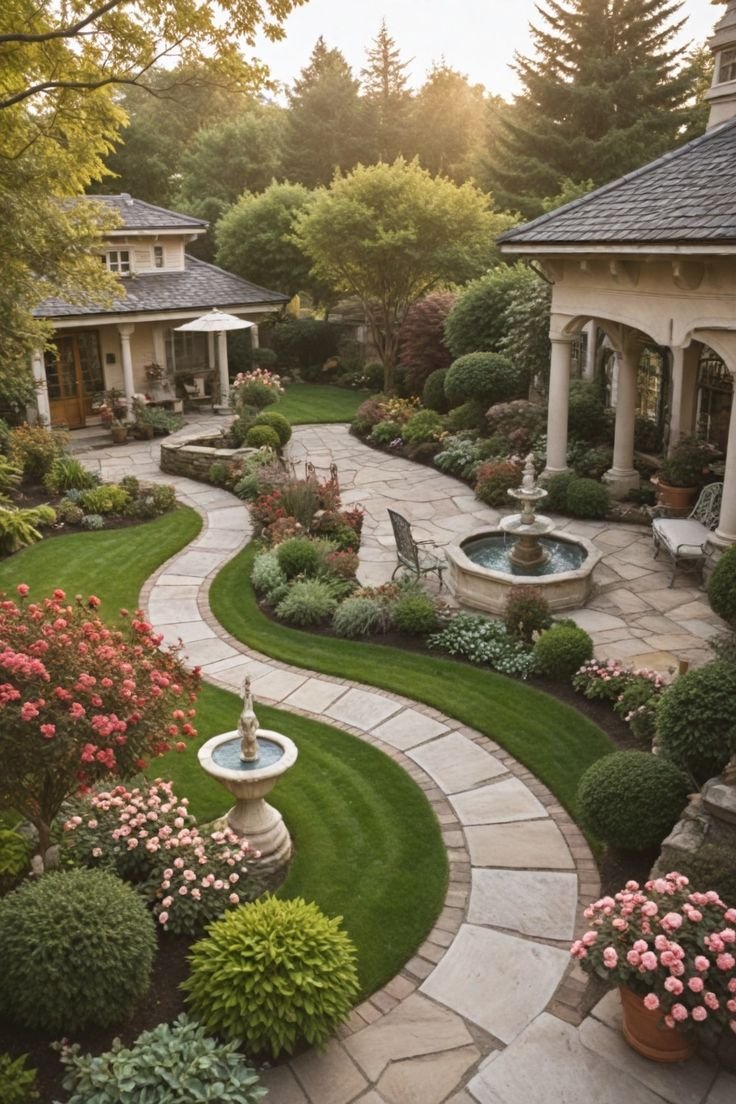
People naturally:
move toward visible destinations
slow down in shaded or narrow spaces
pause at focal points
avoid confusing or cluttered routes
Movement psychology table:
| Stimulus | Human Response |
|---|---|
| Clear path visibility | Fast movement |
| Curved hidden paths | Slow exploration |
| Focal point ahead | Directed movement |
| Dense planting | Curiosity + slowdown |
| Open lawn space | Relaxation or crossing |
Key Insight: The Three Layers of Flow Design
Creating a professional landscape experience involves a profound understanding of three distinct yet interconnected layers of flow:
1.Physical Flow (Movement Paths)
This layer embodies the actual walking routes visitors take as they navigate through the garden. It influences how easily and intuitively people can traverse the space.
2.Visual Flow (Sightlines)
Visual flow pertains to the aspects of the landscape that the eye naturally seeks out and anticipates encountering. It guides visitors’ attention and creates a sense of progression as they move through the environment.
3.Emotional Flow (Experience Sequence)
Emotional flow reflects the feelings and moods that the space evokes over time. It involves the sensory experiences and emotional responses that unfold as visitors interact with the garden elements.When these three layers work in harmony, the garden transforms into a cohesive and immersive experience, allowing visitors to feel a seamless connection with their surroundings.
Circulation Systems in Outdoor Spaces.
Circulation is critical in outdoor design and refers to the pathways through which people move between different zones within the garden. There are four primary types of circulation:
1. Linear Circulation
This type allows for direct movement from point A to point B, making it ideal for modern gardens, compact spaces, and formal layouts where efficiency is key.
2. Loop Circulation
Featuring a circular movement pattern that leads back to the starting point, loop circulation is best suited for expansive gardens, walking paths, and exploratory spaces where discovery is encouraged.
3. Radial Circulation
In this system, movement radiates outward from a central focal point. This approach is particularly effective in settings like courtyards and feature-centered gardens, drawing attention to significant elements.
4. Organic Circulation
Mimicking the natural flow found in nature, organic circulation allows for a free-spirited, winding path through tropical gardens and natural landscapes, fostering a sense of exploration.
Spatial Sequencing: The Secret to Great Garden Flow
Spatial sequencing is a powerful concept that addresses the order in which different spaces are experienced within the garden. Well-executed spatial sequencing creates a narrative that guides visitors through an emotional journey:
A. Open → Narrow → Open
This sequence introduces a dynamic contrast, generating a sense of anticipation as visitors transition from expansive areas to constricted spaces and back again, culminating in a surprising reveal.
B. Fast → Slow → Pause

This approach controls the emotional pacing of the experience, carefully guiding visitors from energetic entry movements to slower, more contemplative transitions, and finally leading them to a designated pause point like seating or a focal feature.
C. Hidden → Reveal → Focus
This sequence fosters moments of discovery, engaging visitors as they navigate through the garden, leading them from concealed areas to striking reveals that capture their attention.
Designing Visual Flow (Sightline Control)
Visual flow is a critical aspect of landscape design, focusing on what the eye can see before the body moves into a space. Understanding how to manage sightlines is essential for creating an inviting garden environment.
Sightline rules include:
1. Always Show a Destination
People are naturally drawn toward visible destinations. Highlighting focal points encourages movement and exploration.
2. Control What Is Hidden
Not every element of the garden should be visible at once; thoughtful concealment can create intrigue and a sense of journey.
3. Frame Focal Points
Use plants, walls, and structures strategically to frame key features, enhancing visual interest and guiding the eye.An example of effective visual flow could be a gently curved hedge that disguised a cozy seating area. As a visitor approaches, they experience a moment of surprise when they turn the corner and discover the inviting space beyond.
Flow Disruption: What Breaks a Garden Experience
It's essential to recognize that the flow of a garden is delicate and can be easily disrupted. Even minor design missteps can disrupt the seamless experience intended for visitors. Common flow disruptors may include:
| Problem | Effect |
|---|---|
| Random path directions | Confusion |
| Too many focal points | Visual overload |
| Blocked sightlines | Disorientation |
| No resting points | Fatigue |
| Overcrowded planting | Movement restriction |
8. Designing Rest Points (Pause Zones)
Flow encompasses more than just movement; it embodies the importance of pause and rest as well. In the context of gardens, without these slow, reflective moments, the space can come across as hurried and disjointed, leaving visitors feeling uneasy rather than relaxed. Each pause serves as an opportunity to breathe, appreciate the beauty around, and create a harmonious atmosphere that invites tranquility and reflection.
Types of rest points:
| Type | Function |
|---|---|
| Seating area | Social pause |
| Bench under tree | Quiet pause |
| Water feature edge | Sensory pause |
| Viewing platform | Visual pause |
9. Flow in Small vs. Large Gardens
Small Gardens
Goal:
The primary objective in small gardens is to maximize space efficiency, ensuring that every corner feels purposeful and inviting.
Strategy:
Direct Paths:
Utilize straightforward pathways that guide visitors smoothly through the garden, creating a sense of order and accessibility.
Minimal Branching: Keep the layout simple to prevent confusion, allowing for easy navigation without overwhelming the observer.
Strong Focal Point:
Establish a prominent feature, such as a sculpture or unique plant, that draws the eye and serves as the centerpiece, enhancing the garden's overall appeal.
Large Gardens
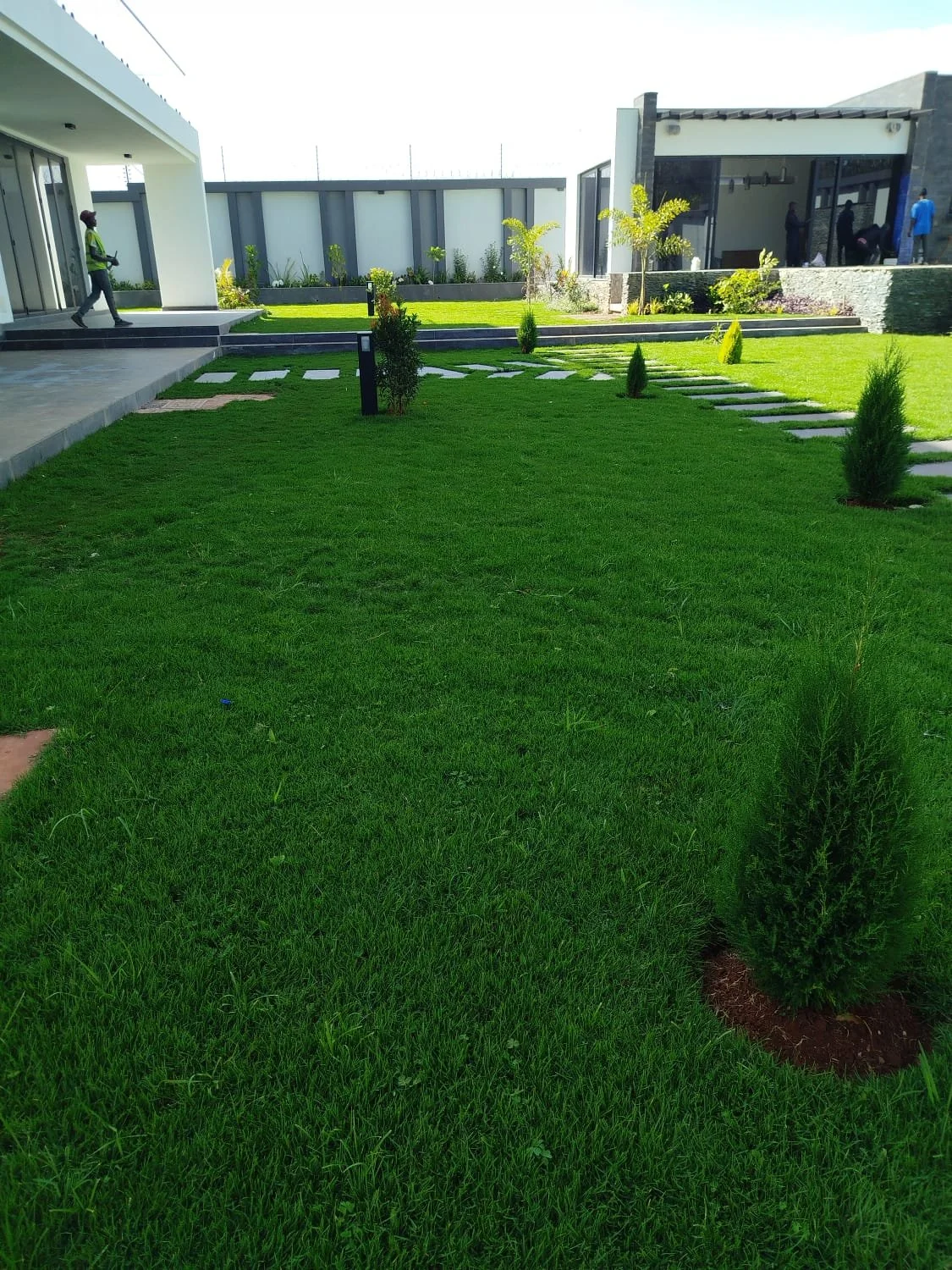
Goal:
In contrast, large gardens aim to create a sense of exploration, encouraging visitors to wander and discover hidden delights throughout the space.
Strategy:
Layered Pathways: Incorporate meandering paths that layer different areas of the garden, inviting exploration and creating a journey rather than a destination.
Multiple Zones: Design distinct areas with varying themes or plant species, allowing visitors to experience diverse environments and atmospheres as they move through the space.
Hidden Features: Include secretive elements, such as concealed benches or surprise plant arrangements, that reveal themselves gradually, keeping the experience fresh and engaging.
| Factor | Small Garden | Large Garden |
|---|---|---|
| Path type | Direct | Curved / loop |
| Discovery | Limited | High |
| Zones | Few | Many |
| Flow speed | Fast | Slow |
10. Integrating Flow with Planting Design
Plants are more than just decorative elements; they play an essential role in shaping how people navigate through a space. By thoughtfully designing plant flow, we can enhance movement in the following ways:

Corridor Planting: This strategy involves arranging plants in a manner that mimics the function of a hallway, effectively guiding visitors along a defined route and making the path clear and inviting.
Frame Planting: In this approach, plants are used to create a visual frame around key features, directing attention to focal points and enhancing their prominence within the landscape.
Barrier Planting: Here, plants are strategically placed to slow down movement intentionally. This encourages visitors to pause, reflect, and immerse themselves in the beauty of their surroundings.
11. Water Flow vs. Human Flow (Advanced Concept)
Fascinatingly, the way water flows in a garden often mirrors the design of human movement. Think of it this way:
The gentle, meandering flows of water can create an enticing visual pathway.
Meanwhile, the layout of pathways leads the physical movement of people through the space.
For example, imagine a serene stream gracefully curving through a flourishing garden, with a pathway that subtly follows a similar yet slightly offset course. This thoughtful arrangement not only enhances the aesthetic appeal but also fosters a sense of harmony between natural elements, cultivating a deeper connection with nature.
12. Creating Emotional Flow in Gardens
In the realm of garden design, emotional flow stands out as the most crucial aspect. It’s about weaving an emotional experience that guides visitors through various stages, from curiosity and awe to tranquility and introspection. This journey through the garden invites individuals to engage with their feelings and surroundings on a profound level.
| Stage | Feeling |
|---|---|
| Entry | Curiosity |
| Pathway | Exploration |
| Reveal | Surprise |
| Core | Relaxation |
| Exit | Satisfaction |
Emotional flow diagram:
Curiosity → Anticipation → Discovery → Comfort → Memory13. Real-World Flow Example
Residential garden flow design:
| Zone | Flow Purpose |
|---|---|
| Entrance | Direction setting |
| Pathway | Controlled movement |
| Lounge | Pause + social interaction |
| Garden core | Visual reward |
| Back garden | Private retreat |
Result:
A garden that feels like a journey, not just a space.
Conclusion: Flow Is What Makes a Garden Feel Alive
A well-designed garden is not defined by its materials or plants alone—it is defined by how people move through it.
Flow ensures that:
movement feels natural
spaces feel connected
experiences feel intentional
gardens feel memorable
Without flow, a garden is just a collection of objects.
With flow, it becomes an experience that unfolds over time.
