
SYMMETRY IN GARDEN DESIGN
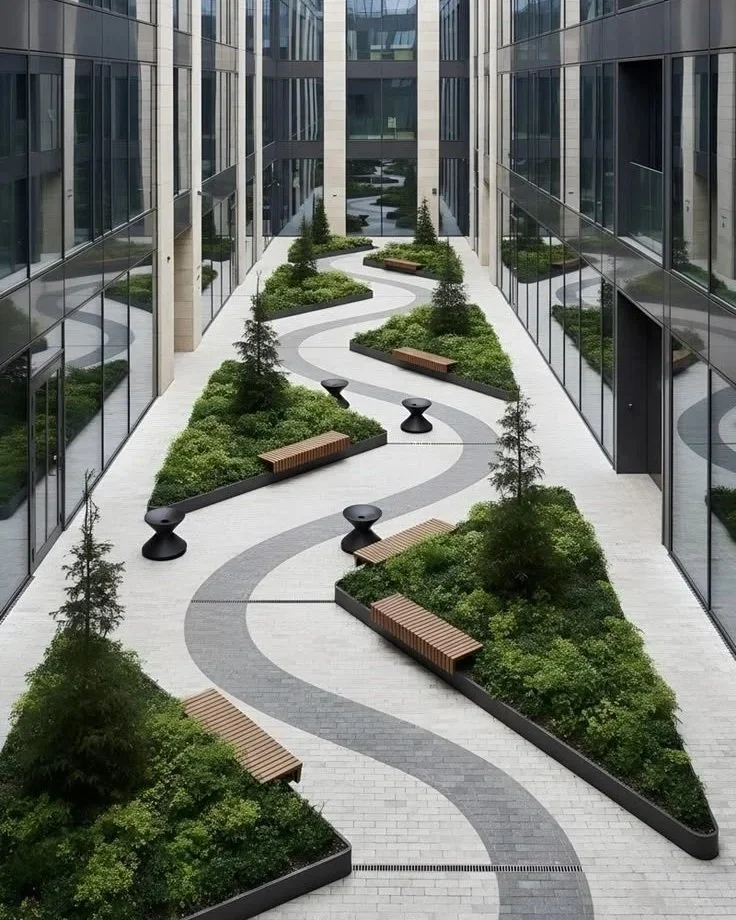
Introduction: Why Symmetry Feels “Right” to the Human Eye
There is a reason symmetrical spaces feel instantly organized, calm, and “expensive.”
The human brain is naturally wired to recognize balance. When both sides of a space mirror each other, the mind experiences:
stability
predictability
order
calm confidence
That’s why symmetry has been used for centuries in palaces, courtyards, temples, and formal gardens.
But in modern landscape design, symmetry is often misunderstood. Some see it as outdated or rigid. In reality, symmetry is not a style—it is a design system of balance and control.
Used correctly, it can elevate a garden into something timeless and architectural.
1. What Is Symmetry in Landscape Design?
Symmetry in garden design means creating equal visual weight on both sides of a central axis.
Simple definition:
A symmetrical garden is one where elements on one side are mirrored or balanced by the other side.
Symmetry diagram concept:
| Left Side | Central Axis | Right Side |
|---|---|---|
| Tree | Path Line | Tree |
| Bed | Lawn Center | Bed |
| Bench | Focal Point | Bench |
2. Why Symmetry Works Psychologically
Symmetry fosters a sense of comfort and tranquility because it simplifies the brain's task of interpreting spatial relationships. When we encounter symmetrical patterns, our cognitive load is reduced, allowing our brains to process visual information more efficiently. This inherent balance in shapes and forms resonates with our natural desire for order and predictability, leading to an overall feeling of ease and contentment in our environment.
Psychological effects:
| Effect | Description |
|---|---|
| Calmness | Predictable structure reduces stress |
| Authority | Feels formal and controlled |
| Luxury perception | Often associated with high-end design |
| Stability | Visual balance feels “safe” |
Key idea:
A space that exhibits a high degree of symmetry often evokes a sense of control and intentional design. This balanced arrangement creates a feeling of order and harmony, suggesting that every element has been deliberately placed with purpose. The eye is naturally drawn to symmetrical features, which can lead to a calming atmosphere that promotes focus and tranquility. In contrast, asymmetrical spaces may feel more dynamic or chaotic, while symmetrical layouts instill a greater sense of stability and aesthetic appeal.
3. Types of Symmetry in Landscape Design
Symmetry is a concept that extends beyond a single dimension, encompassing a variety of forms and interpretations. It can manifest in two-dimensional shapes, such as circles or squares, where one side mirrors the other across a central axis. In three-dimensional objects, like spheres or cubes, symmetry can be observed from multiple perspectives. Additionally, symmetry can be categorized into different types, including reflective symmetry, where one half is a mirror image of the other; rotational symmetry, where an object can be rotated around a central point and still appear the same; and translational symmetry, which involves repeating patterns in a given direction. This multi-faceted nature of symmetry is essential in fields such as art, architecture, and biology, showcasing its significance across various disciplines.
1. Axial symmetry (most common)
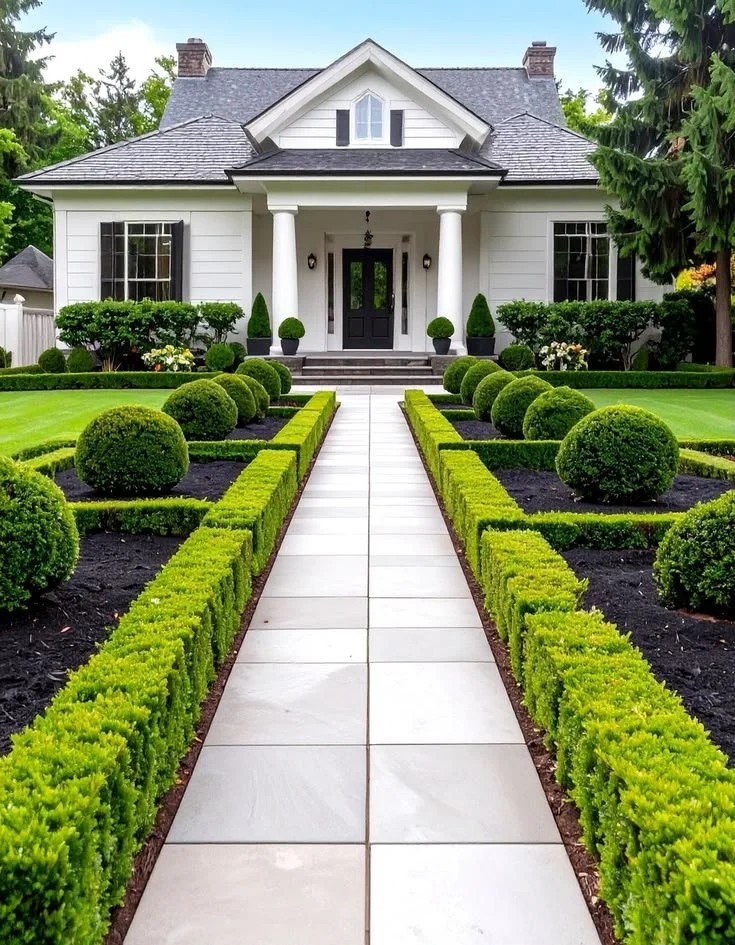
A central line elegantly splits the garden into two symmetrical halves, creating a balanced and harmonious layout.
This design is particularly well-suited for various applications, including formal gardens where order and precision are desired. It serves as an inviting focal point for entrances, guiding visitors into the space with a sense of anticipation.
Additionally, this concept is ideal for:
Institutional landscapes,
Providing a structured aesthetic that enhances the environment of schools, hospitals, or corporate settings,
Promoting both functionality and visual appeal.
2. Radial symmetry
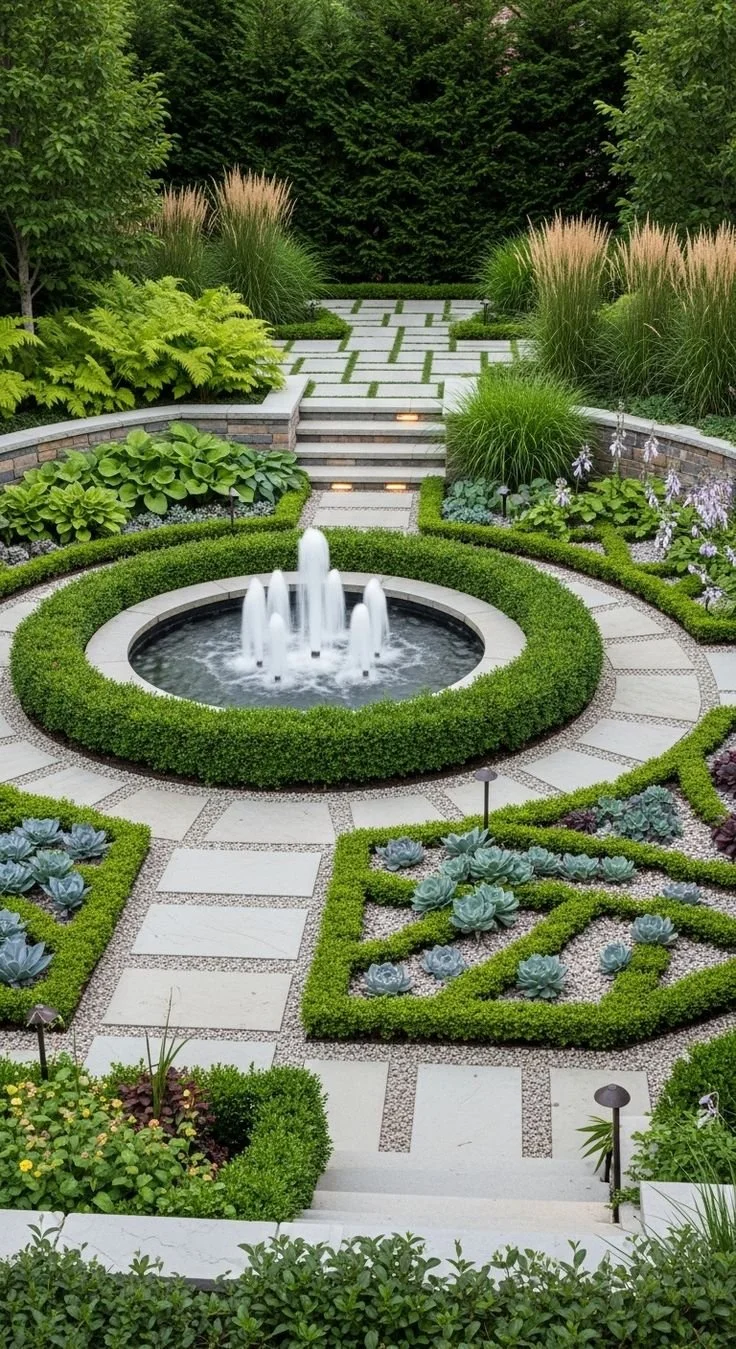
Elements emanate from a central point, creating a harmonious and balanced design. This approach is particularly well-suited for various outdoor spaces, including:
Courtyards: A central feature, such as a fountain or a sculpture, can serve as a striking focal point that draws the eye and encourages social interaction.
Round Gardens: Circular garden layouts allow for a seamless flow of plants and pathways, radiating outwards from a central flower bed or seating area, enhancing the overall aesthetic and functionality.
Focal Hubs: Designing communal spaces around a focal hub, like a fire pit or a picnic area, can facilitate gatherings and create a sense of community, making these spaces more inviting and enjoyable for all users.
These designs not only add visual interest but also guide movement and engagement within the area.
3. Approximate symmetry (balanced asymmetry)
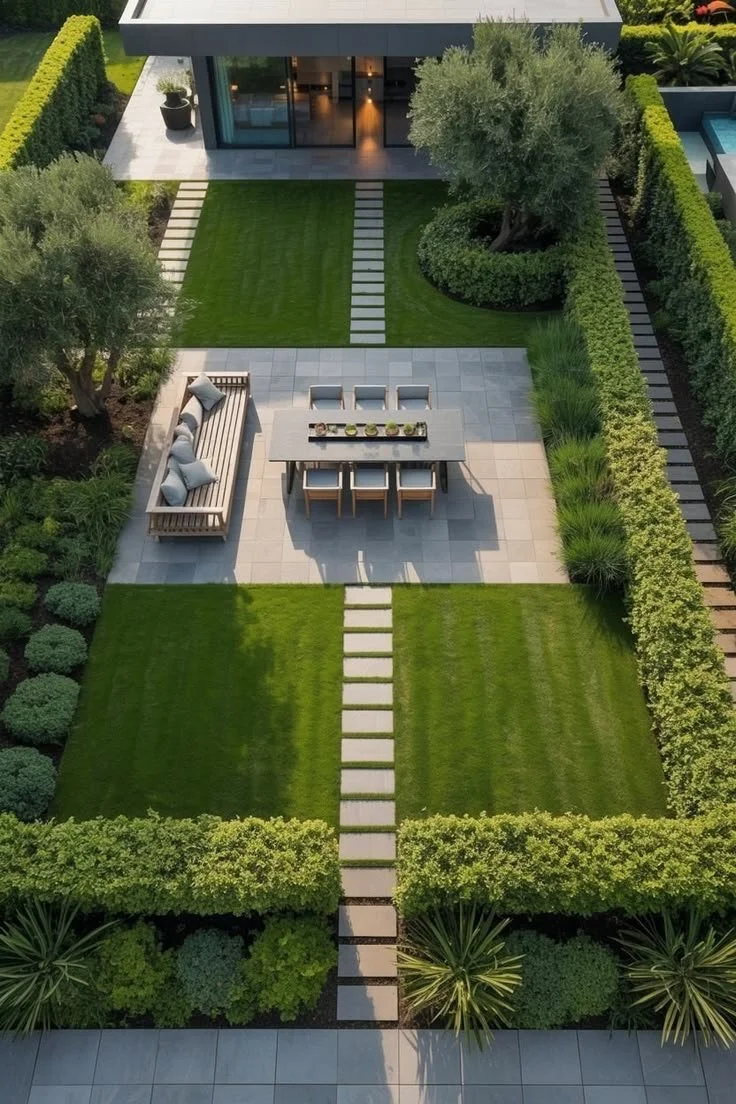
While the elements in your garden design may not be identical, they should work together to create a pleasing visual balance. For example, imagine a grand, towering tree with a robust trunk and a lush canopy on one side of the garden. This tree serves as a stunning focal point, drawing the eye upward and adding a sense of majesty to the space. It can provide shade, texture, and seasonal interest with its changing leaves.
On the opposite side, picture a carefully curated group of vibrant shrubs. These could include a variety of textures and colors, such as soft, feathery grasses mingling with bold, flowering plants that provide pops of brightness. This arrangement of shrubs adds depth and richness to the landscape, creating a sense of fullness and life without overwhelming the tree.
This thoughtful arrangement is especially ideal for:
Modern gardens that value simplicity and elegance,
for natural landscapes that aim to feel integrated with their environment.
By balancing the larger, more dominant features with smaller, intricate ones, you can create a harmonious and inviting setting that captivates the senses and enhances the overall beauty of the garden.
4. Symmetry vs Asymmetry (Core Comparison)
Comparison table:
| Feature | Symmetry | Asymmetry |
|---|---|---|
| Structure | Formal | Organic |
| Movement | Predictable | Exploratory |
| Maintenance | Easier to manage visually | More flexible |
| Emotion | Calm, controlled | Dynamic, natural |
| Design style | Classical, modern formal | Tropical, natural, modern organic |
Key insight:
Symmetry gives control. Asymmetry gives freedom.
5. The Central Axis: Backbone of Symmetry
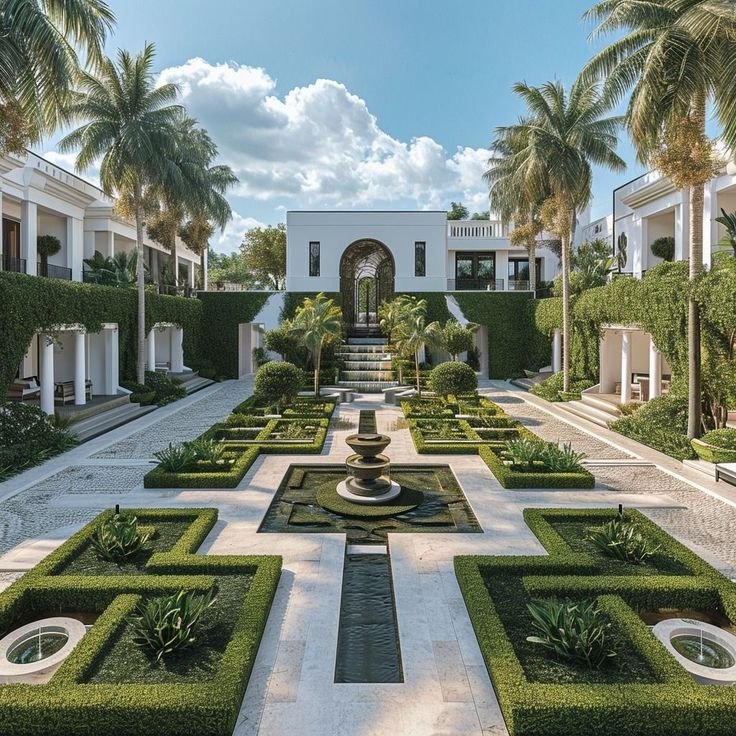
The central axis is the most important element in symmetrical design.
It is an invisible line that organizes everything.
Axis diagram:
Entrance → Central Path → Focal Point → Garden EndFunctions of the axis:
guides movement
organizes planting
defines structure
anchors focal points
Common axis placements:
entrance-to-house alignment
gate-to-feature alignment
courtyard center line
6. Grid Systems in Symmetrical Design
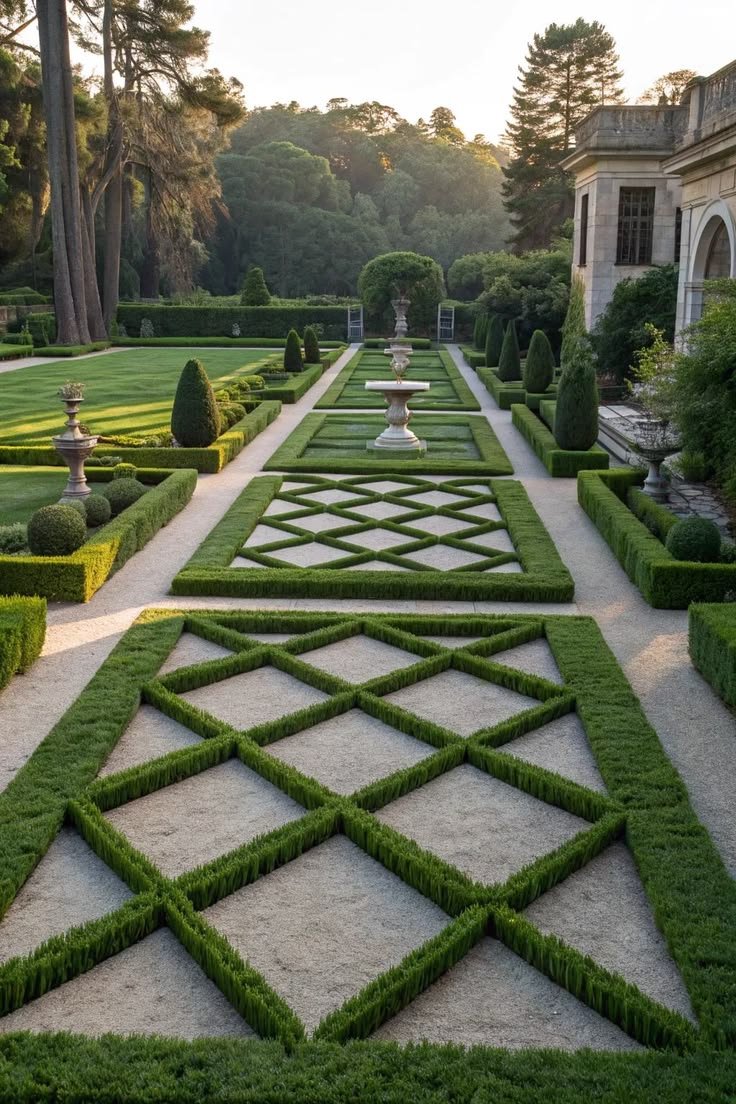
Grids help maintain precision in symmetrical layouts.
Types of grids:
1. Rectangular grid
Used in modern formal gardens.
2. Square grid
Best for structured planting beds and courtyards.
3. Radial grid
Used in circular symmetrical spaces.
Why grids matter:
maintain proportion
simplify planting design
ensure visual balance
7. Balance Systems in Symmetry
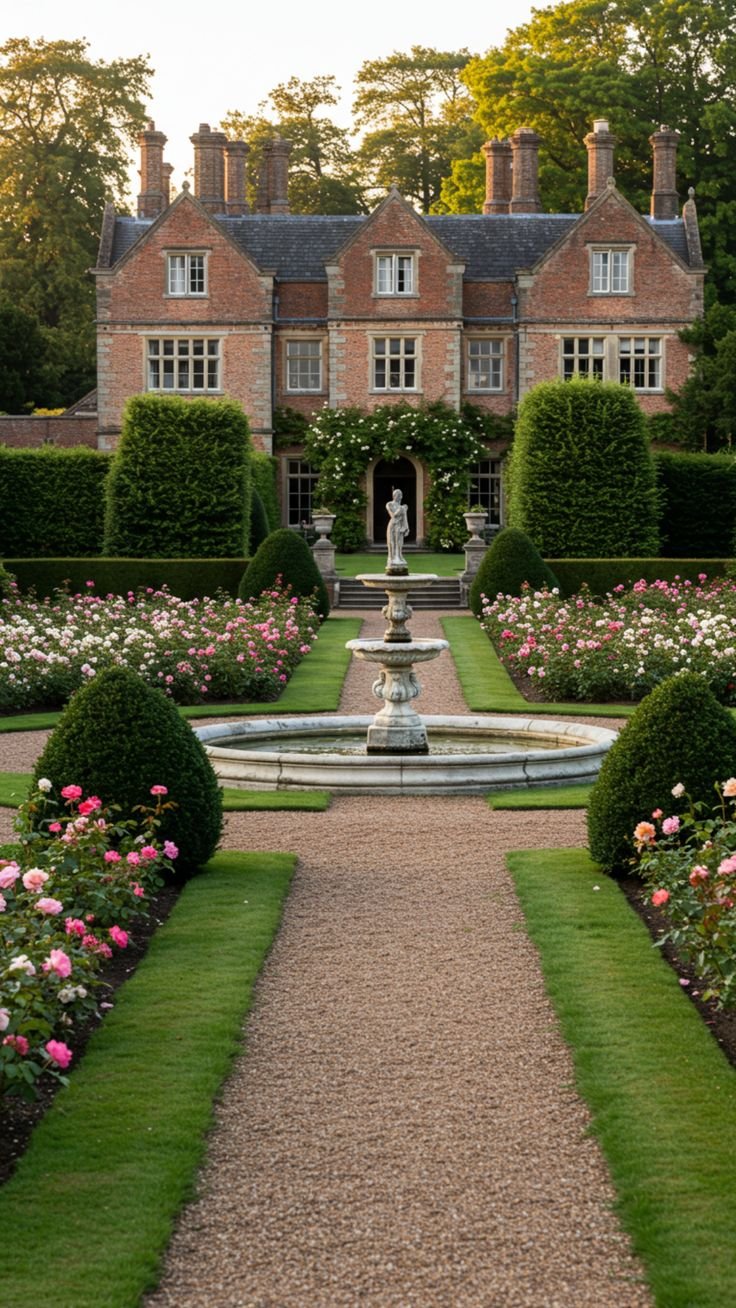
Symmetry is not just about mirroring—it’s about visual weight balance.
What is visual weight?
It refers to how “heavy” an object feels visually based on:
size
color
texture
density
Balance rule:
Two sides do not need identical objects—they need equal visual weight.
Balance examples:
| Left Side | Right Side | Result |
|---|---|---|
| One large tree | Cluster of shrubs | Balanced |
| Small bench | Large planter | Balanced |
| Tall structure | Wide planting bed | Balanced |
8. Symmetry in Planting Design
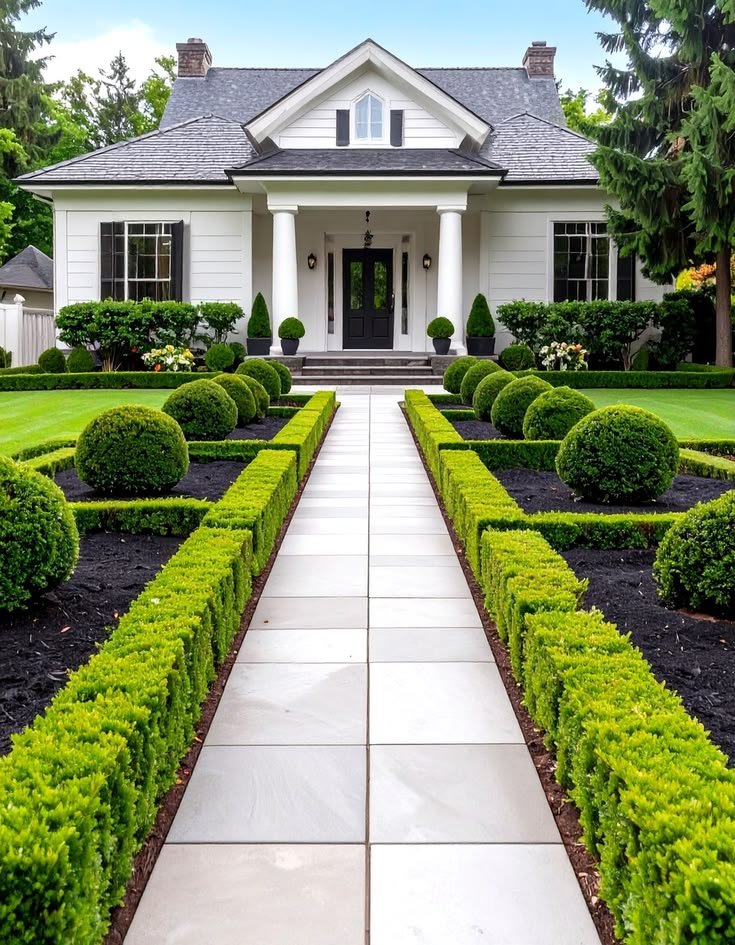
Plants can either reinforce or break symmetry depending on placement.
Formal planting symmetry:
identical species on both sides
equal spacing
mirrored height structure
Plant symmetry diagram:
Left Hedge === Central Path === Right HedgeCommon plants used:
clipped hedges
palms
topiary shrubs
uniform flowering plants
9. Hardscape Symmetry (Structural Balance)
Hardscape elements define the strongest symmetrical impact.
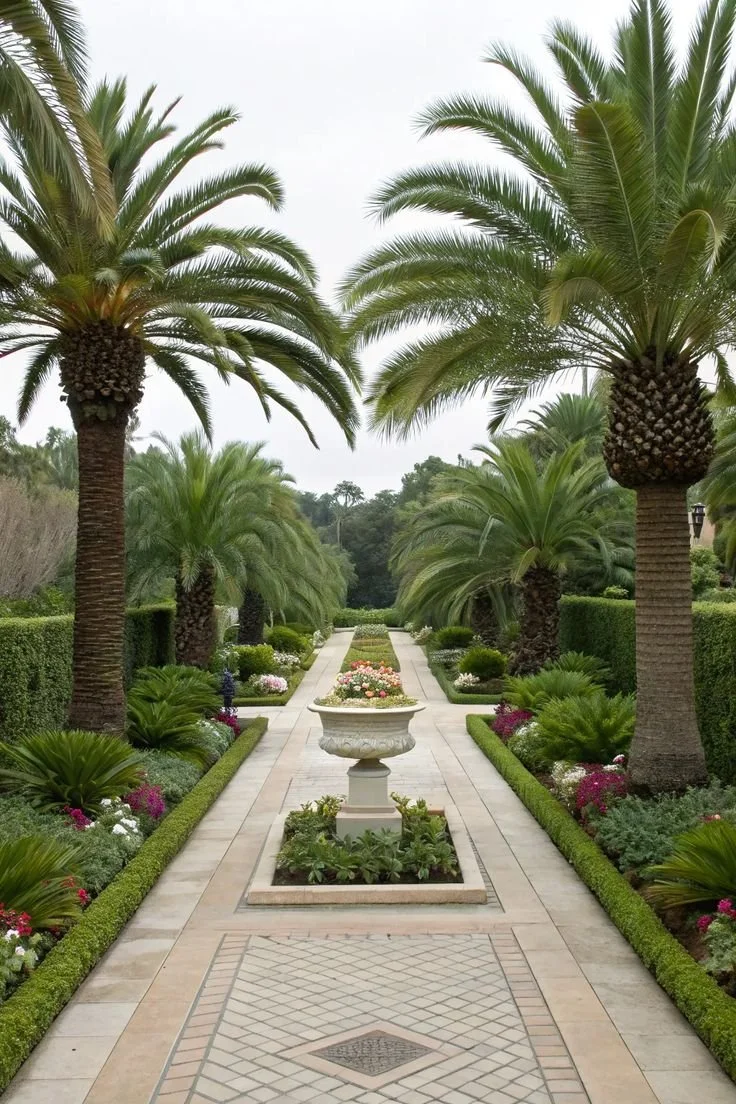
Examples:
identical paving patterns
matching walls
mirrored pergolas
balanced seating layouts
Hardscape symmetry diagram:
Bench | Path | Fountain | Path | BenchKey principle:
Hardscape creates structure; plants soften it.
10. Lighting Symmetry
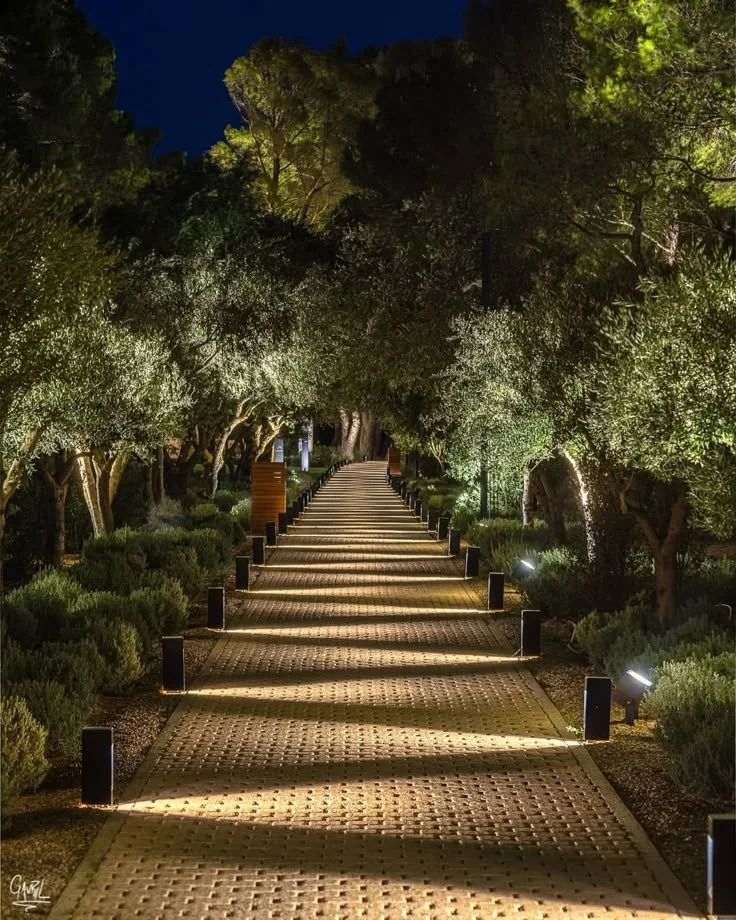
Lighting reinforces order at night.
Lighting types in symmetry:
| Type | Function |
|---|---|
| Paired lights | Mark pathways |
| Mirrored fixtures | Reinforce balance |
| Central spotlight | Highlight focal axis |
Night symmetry effect:
- A compelling and impactful visual direction that guides the viewer’s attention effectively.
- A heightened sense of depth that adds layers and richness to the overall composition.
- Clear architectural elements that enhance understanding and appreciation of the design's structure and form.
11. When to Use Symmetry in Gardens
Symmetry is powerful—but not always appropriate.
Best use cases:
1. Entrance Gardens
These gardens play a crucial role in crafting a memorable first impression. A well-designed entrance garden greets visitors with vibrant colors, inviting pathways, and carefully curated plant selections, setting the tone for the entire property.
2. Formal Homes
In homes built with a classic architectural style, the landscaping mirrors the elegance of the structure. The use of geometric shapes, symmetrical layouts, and manicured hedges creates a harmonious balance that complements the home's design, elevating its overall aesthetic.
3. Courtyards
Courtyards are designed with a focus on natural harmony and centered layouts. These intimate outdoor spaces often feature lush greenery, tranquil seating areas, and perhaps a water feature, providing a serene retreat that encourages relaxation and social interaction.
4. Luxury Estates
Landscaping in luxury estates aims to amplify the sense of grandeur and order. Opulent gardens with meticulously arranged flower beds, grand pathways, and sophisticated lighting enhance the property’s magnificence, creating an environment that exudes elegance and refinement.
12. When NOT to Use Symmetry
When designing a space, it's essential to recognize that excessive symmetry can detract from its overall appeal. Here are some scenarios where steering clear of symmetry can enhance the environment:
Small and Irregular Spaces: In confined or oddly-shaped areas, rigid symmetry can make the space feel cramped and uninviting. Embracing asymmetry allows for more dynamic and visually interesting arrangements.
Natural Jungle Aesthetics: If your goal is to create a lush, tropical atmosphere reminiscent of a wild jungle, symmetry can clash with the natural randomness found in nature. Opt for varied plant placements and uneven alignments to evoke that vibrant, organic feel.
Heavily Sloped Terrain: When working with steep or uneven landscapes, strict symmetry might not only be impractical but can also lead to an awkward design. Embracing the contours of the terrain allows for a more harmonious integration with the landscape.
Informal Relaxation Spaces: For areas intended for casual gatherings and relaxation, a symmetrical layout can feel overly formal or stiff. Favoring an asymmetrical approach fosters a more inviting and laid-back atmosphere that encourages comfort and social interaction.
By understanding when to break away from symmetry, you can create spaces that are more engaging and reflective of their unique characteristics.
13. Common Mistakes in Symmetrical Design
| Mistake | Result |
|---|---|
| Perfect mirroring everywhere | Feels artificial |
| Ignoring scale differences | Visual imbalance |
| Over-structuring plants | Loss of natural feel |
| Weak central axis | Confused layout |
| No focal hierarchy | Flat composition |
14. Real-World Symmetrical Garden Example
Layout breakdown:
| Zone | Symmetrical Design Element |
|---|---|
| Entrance | Paired planting beds |
| Path | Central axis walkway |
| Lawn | Balanced open space |
| Seating | Mirrored benches |
| Feature | Central fountain |
Result:
An impeccably arranged garden that exudes sophistication, featuring meticulously trimmed hedges and vibrant flower beds. The strong architectural elements, such as gracefully arched pathways and artfully designed sculptures, create a harmonious balance between nature and human craftsmanship, making the space both visually striking and inviting.
15. Advanced Concept: Controlled Symmetry (Modern Approach)
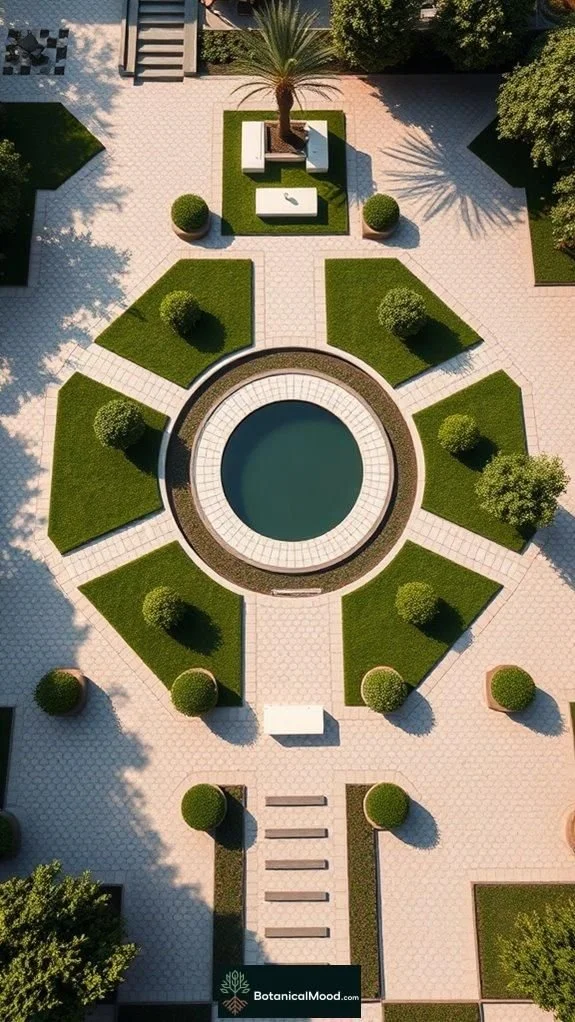
Modern design often uses broken or softened symmetry.
Controlled symmetry idea:
maintain axis alignment
vary plant texture slightly
introduce subtle asymmetry in detail
Example:
Left Side: Tree + Shrubs
Right Side: Tree + Flower Mass (different texture, same weight)
Effect:
less rigid
more natural
still structured
Conclusion: Symmetry Is Discipline, Not Restriction
Symmetry in garden design is not about copying sides exactly—it is about creating visual harmony through balance and alignment.
When used correctly, it:
strengthens architectural relationships
creates calm and order
enhances luxury perception
improves spatial clarity
But when overused, it can feel rigid and unnatural.
The most successful landscapes use symmetry as a foundation, then soften it with planting, texture, and subtle variation.
