
DESIGNING SHADED GARDEN ZONES
☀️ Introduction: Why Shade Is the Most Underrated Luxury in Garden Design
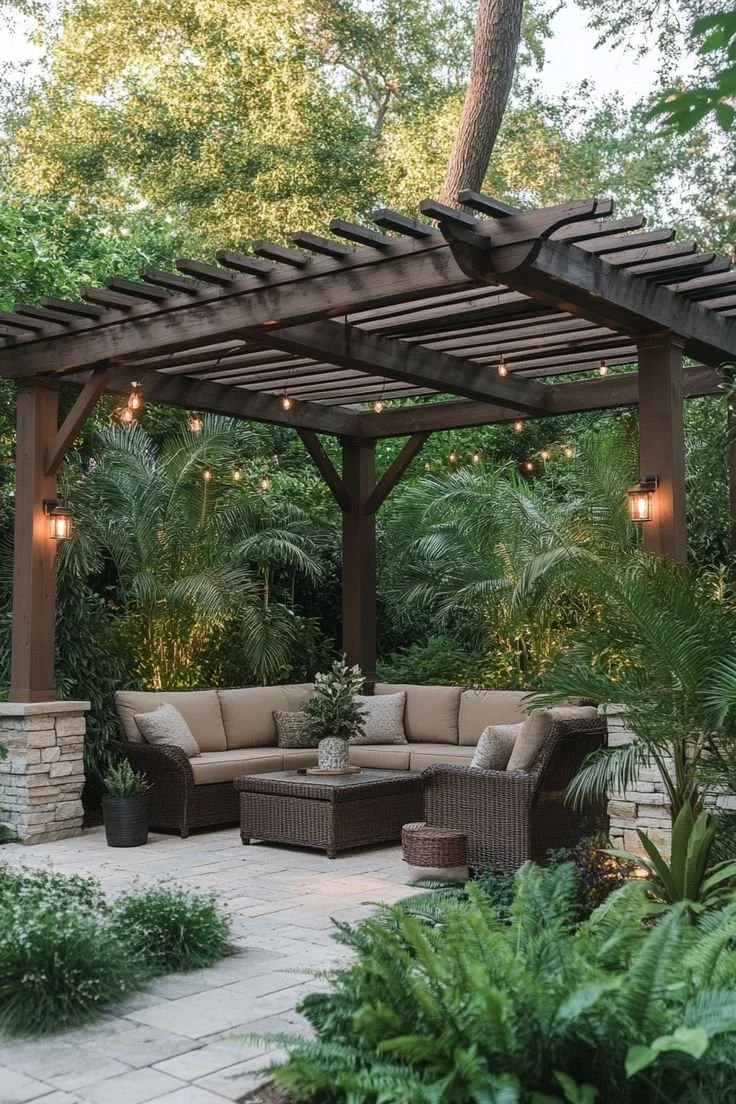
In hot climates, especially in regions like Kenya where temperatures can soar, the difference between a usable outdoor space and an unusable one often comes down to a single, overlooked element: shade.
A garden without shade might be visually complete—lush plants, beautiful hardscaping, thoughtful layout—but if it lacks proper shade, it becomes a space you admire from inside rather than actually live in. The harsh midday sun turns what should be a sanctuary into a hostile environment, forcing you indoors just when you’d most like to be outside.
Shaded garden zones are not just about blocking sunlight—they are about creating microclimates that transform heat, light, airflow, and comfort into powerful design tools. A well-shaded garden doesn’t just look good; it feels good, inviting you to linger, relax, and truly inhabit the space.
What a Well-Designed Shaded Garden Achieves:
✅ Feels cooler by 5-10°C (9-18°F) – Proper shade can drop the perceived temperature dramatically, making the difference between unbearable heat and comfortable relaxation.
✅ Encourages longer outdoor use – People naturally gravitate toward and stay longer in shaded areas, extending the usability of your garden from a few hours to the entire day.
✅ Protects plants from heat stress – Many plants wilt, scorch, or struggle in full sun. Shade allows for a wider variety of plantings, including delicate species that add texture, color, and interest.
✅ Creates layered spatial experiences – Shade adds depth and dimension to your garden, creating intimate pockets, defining pathways, and establishing distinct "rooms" within the outdoor space.
✅ Improves overall property value – A functional, comfortable outdoor living area is a major selling point for homes in hot climates, offering a tangible extension of livable square footage.
This guide breaks down how to design shaded zones using:
✅ Microclimate systems to tailor conditions to specific needs
✅ Heat control strategies that go beyond simple shade
✅ Planting structures that provide natural, sustainable solutions
✅ Architectural shading methods for modern, functional spaces
🌿 1. What Is a Shaded Garden Zone?
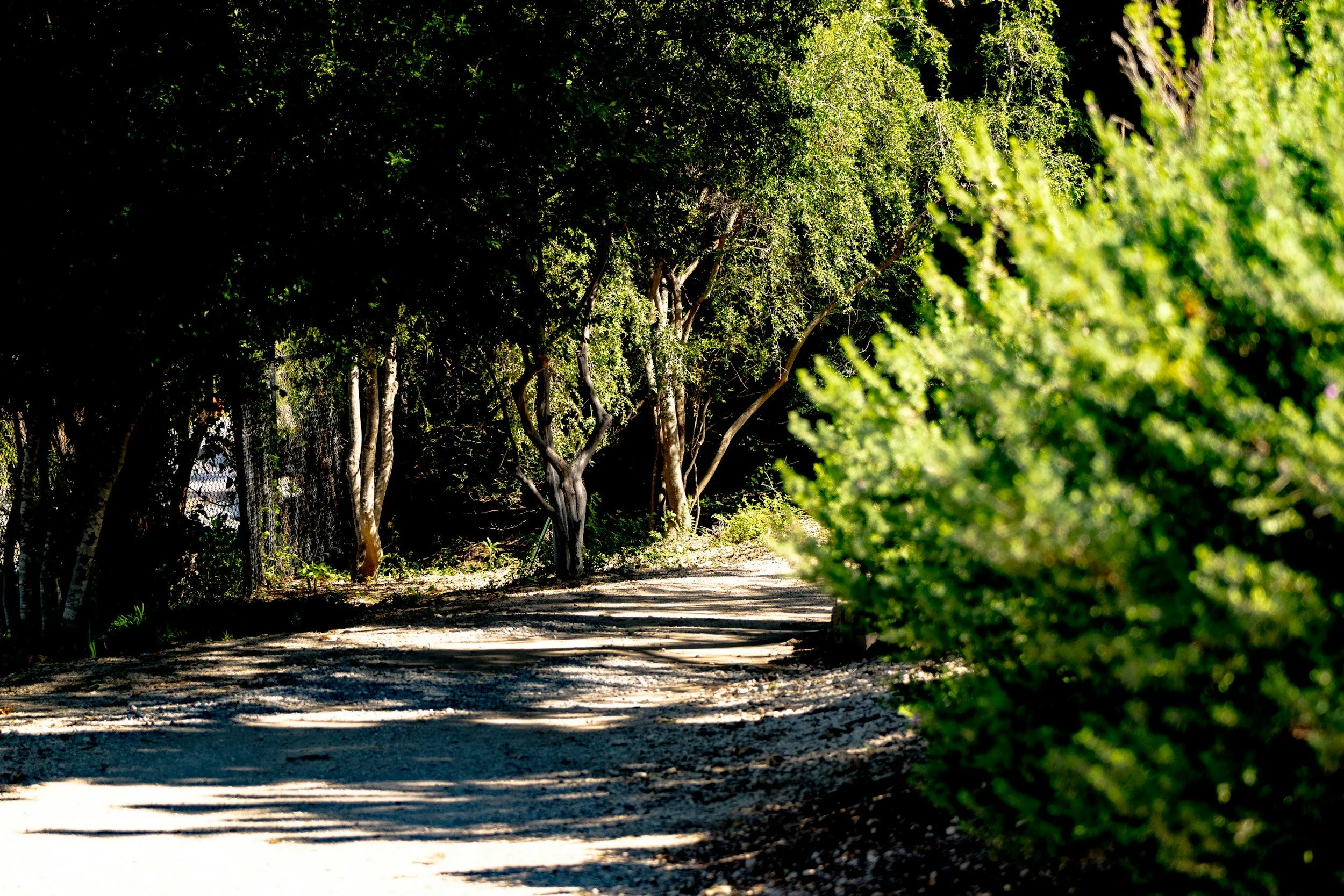
A shaded garden zone is an intentional outdoor area where direct solar exposure is reduced or modified through natural or structural elements to create a more comfortable, functional, and sustainable environment.
Simple Definition:
A shaded zone is a controlled environment within a garden designed to reduce heat, manage light, and improve comfort for both people and plants.
Unlike a randomly shady corner created by an existing tree, a designed shaded zone is strategically placed to serve specific purposes—whether that’s creating a cool seating area, protecting delicate plants, or defining a transition between indoor and outdoor spaces.
The Shade Creation Process
Key Insight:
Shade isn’t just about blocking the sun—it’s about controlling the quality of light that reaches your garden. The right shade can:
Diffuse harsh light into a soft, dappled glow
Create patterns that add visual interest
Extend the growing season for plants
Define functional areas within your landscape
🌡️ 2. Why Shade Matters in Landscape Design
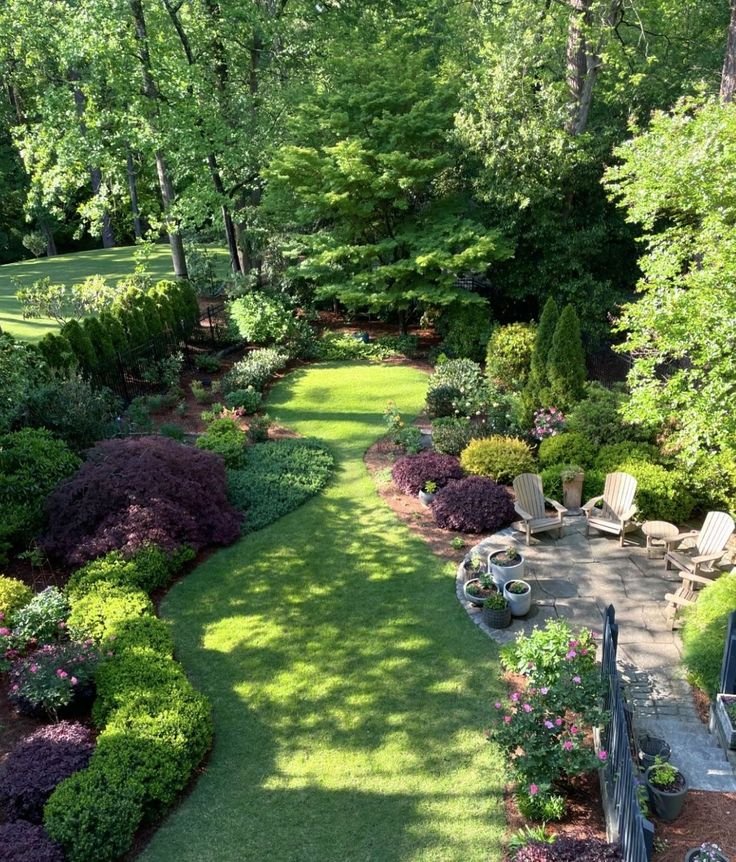
Shade is not just about comfort—it is about function, survival, and usability. In hot climates like Kenya, where the sun can be relentless, shade transforms a garden from a decorative feature into a livable extension of your home.
Without Shade:
❌ Soil dries out quickly – Direct sun evaporates moisture rapidly, requiring constant watering and leading to water waste and higher maintenance costs.
❌ Plants wilt or burn – Many species, especially those with delicate foliage or flowers, struggle or die in full sun, limiting your planting options.
❌ Outdoor furniture becomes unusable – Metal chairs turn into burning surfaces, wood fades and cracks, and cushions degrade under UV exposure.
❌ People avoid the space – Without relief from the heat, your garden becomes a no-go zone during the hottest parts of the day, defeating its purpose.
With Shade:
✅ Temperature drops significantly – Properly shaded areas can be 5-10°C (9-18°F) cooler than sun-exposed spaces, making them comfortable even during peak heat.
✅ Humidity stabilizes – Shade reduces evaporation, helping to maintain moisture in the soil and air, which benefits both plants and people.
✅ Outdoor activity increases – People naturally spend more time in shaded areas, making your garden a true living space rather than just a visual one.
✅ Planting options expand – Shade allows you to grow a wider variety of plants, including ferns, hostas, and other delicate species that add texture and color.
✅ Energy costs decrease – By cooling the area around your home, shade can reduce indoor cooling needs, lowering energy bills.
Key Idea:
Shade is what turns a garden from “decorative” into “livable.”
Without it, your outdoor space is just a pretty picture. With it, it becomes a functional, comfortable, and inviting extension of your home.
🌐 3. Understanding Microclimates in Gardens
A microclimate is a small, localized area with environmental conditions that differ from its surroundings. In garden design, microclimates are powerful tools that allow you to create customized pockets of comfort, humidity, and temperature within your landscape.
Why Microclimates Matter:
In a single garden, you might have:
A hot, dry spot next to a south-facing wall
A cool, moist pocket under a dense tree canopy
A windy corridor between buildings
A sheltered nook protected by hedges
Each of these areas has its own unique conditions, and understanding them allows you to design more effectively, choosing the right plants and structures for each zone.
Microclimate Factors
| Factor | Effect on Garden | Design Consideration | Example |
|---|---|---|---|
| ☀️ Sun Exposure | Determines heat intensity and light levels | Place heat-sensitive plants in shaded areas; use sun-loving plants in open spots | South-facing walls create hot microclimates; north-facing areas stay cooler |
| 🌬️ Wind Flow | Can cool or dry out the space | Use windbreaks to protect delicate plants; allow breezes to flow through seating areas | A hedge can block hot winds but may also reduce airflow |
| 🌳 Shade Coverage | Reduces temperature and evaporation | Layer shade sources (trees + pergolas + plants) for maximum cooling | A dense tree canopy can create a cool, humid microclimate underneath |
| 🪨 Surface Materials | Affects heat retention and reflection | Use light, reflective materials in hot areas; dark materials absorb heat | Concrete retains heat; gravel stays cooler |
| 🌿 Plant Density | Influences humidity and temperature | Dense plantings create cooler, more humid microclimates | A thick hedge can lower temperatures by several degrees |
Microclimate Creation Diagram
🔥 Hot Open Area
Full sun, high evaporation
🌳 Tree Shade Zone
Filtered light, cooler temps
❄️ Cool Moist Garden Pocket
High humidity, low evaporation
Pro Tip:
Map your garden’s microclimates before planting. Spend a day observing:
Where does the sun hit first and last?
Which areas stay coolest?
Where does wind blow through?
What spots dry out fastest after rain?
Use this information to place the right plants and structures in each zone.
🌳 4. Types of Shaded Garden Zones
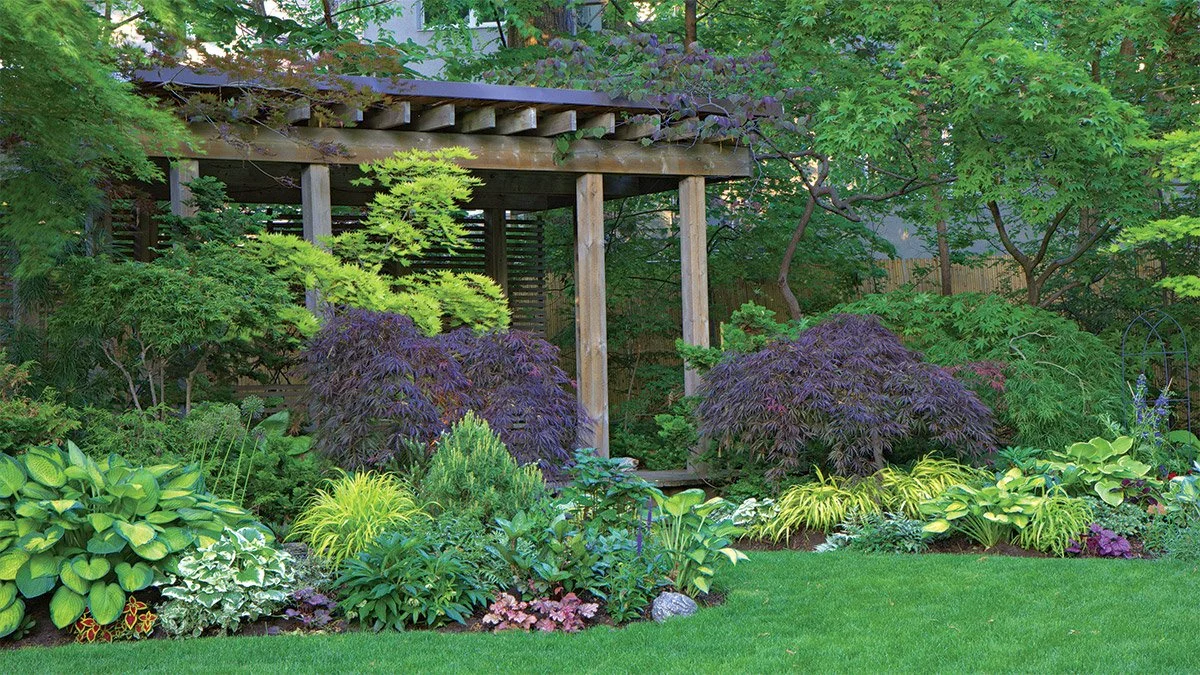
Not all shade is created equal. Different types of shade serve different purposes and support different plants and activities. Understanding these variations allows you to design a garden that works for every need and season.
1️⃣ Full Shade Zones
Definition: Areas that receive no direct sunlight (or less than 2 hours per day), typically under dense tree canopies or structural overhangs.
Characteristics:
Cool and stable – Temperatures remain consistent throughout the day.
High humidity – Reduced evaporation keeps moisture in the air and soil.
Limited light – Only the most shade-tolerant plants thrive here.
Best For:
✅ Seating lounges – Perfect for reading nooks, outdoor offices, or relaxation areas where you want to escape the heat.
✅ Delicate plants – Ideal for ferns, hostas, calatheas, and other shade-loving species that would scorch in direct sun.
✅ Relaxation zones – Creates a sanctuary-like atmosphere that encourages rest and rejuvenation.
✅ Storage areas – Protects garden tools, outdoor furniture, and other items from UV damage.
Design Tips:
Use dense, evergreen trees (like podocarpus or cycads) for year-round shade.
Layer with mid-height shrubs (e.g., clivia or aspidistra) to add depth.
Add reflective surfaces (light-colored paving or water features) to brighten the space.
Incorporate lighting to make the zone usable after dark.
2️⃣ Partial Shade Zones
Definition: Areas that receive filtered or indirect sunlight for 3-6 hours per day, often under open-canopied trees or pergolas.
Characteristics:
Moderate temperatures – Cooler than full sun but warmer than full shade.
Balanced light – Enough sun for many plants to photosynthesize, but with protection from harsh midday rays.
Flexible use – Can accommodate both people and plants comfortably.
Best For:
✅ Mixed planting beds – Allows for a diverse plant palette, including many flowering species that need some sun.
✅ Dining areas – Provides enough light for evening meals while keeping the space cool during the day.
✅ Transitional spaces – Works well as a buffer between full sun and full shade areas.
✅ Play areas – Safe for children to play without the risk of sunburn, while still allowing grass or groundcovers to grow.
Design Tips:
Use deciduous trees (like jacaranda or acacia) to allow winter sun while providing summer shade.
Combine with climbing plants on pergolas (e.g., bougainvillea or jasmine) for adjustable shade.
Choose light-colored hardscaping to reflect light and keep the area bright.
3️⃣ Dappled Shade Zones
Definition: Areas that receive moving patterns of light and shadow created by sunlight filtering through leaves, creating a dynamic, ever-changing effect.
Characteristics:
Visually interesting – The play of light and shadow adds movement and texture to the garden.
Ideal for tropical plants – Many understory plants from forest environments thrive in dappled light.
Cooler than full sun but warmer than full shade – A happy medium for many species.
Best For:
✅ Tropical gardens – Mimics the natural light conditions of a forest floor.
✅ Decorative planting – Highlights ornamental foliage (e.g., calatheas, ferns, or variegated plants).
✅ Aesthetic pathways – Creates beautiful light patterns on walkways and garden beds.
✅ Wildlife gardens – Attracts birds and butterflies that prefer filtered light.
Design Tips:
Use trees with small, delicate leaves (e.g., acacia or grevillea) to create fine dappled patterns.
Combine with light-colored mulch to enhance the contrast between light and shadow.
Plant variegated or colorful foliage to take advantage of the shifting light.
Shade Intensity Comparison
Full Shade
0-2 hours of sun
Partial Shade
3-6 hours of sun
Dappled Shade
Filtered light
Full Sun
6+ hours of sun
🌿 5. Natural Shade Systems (Plant-Based Solutions)
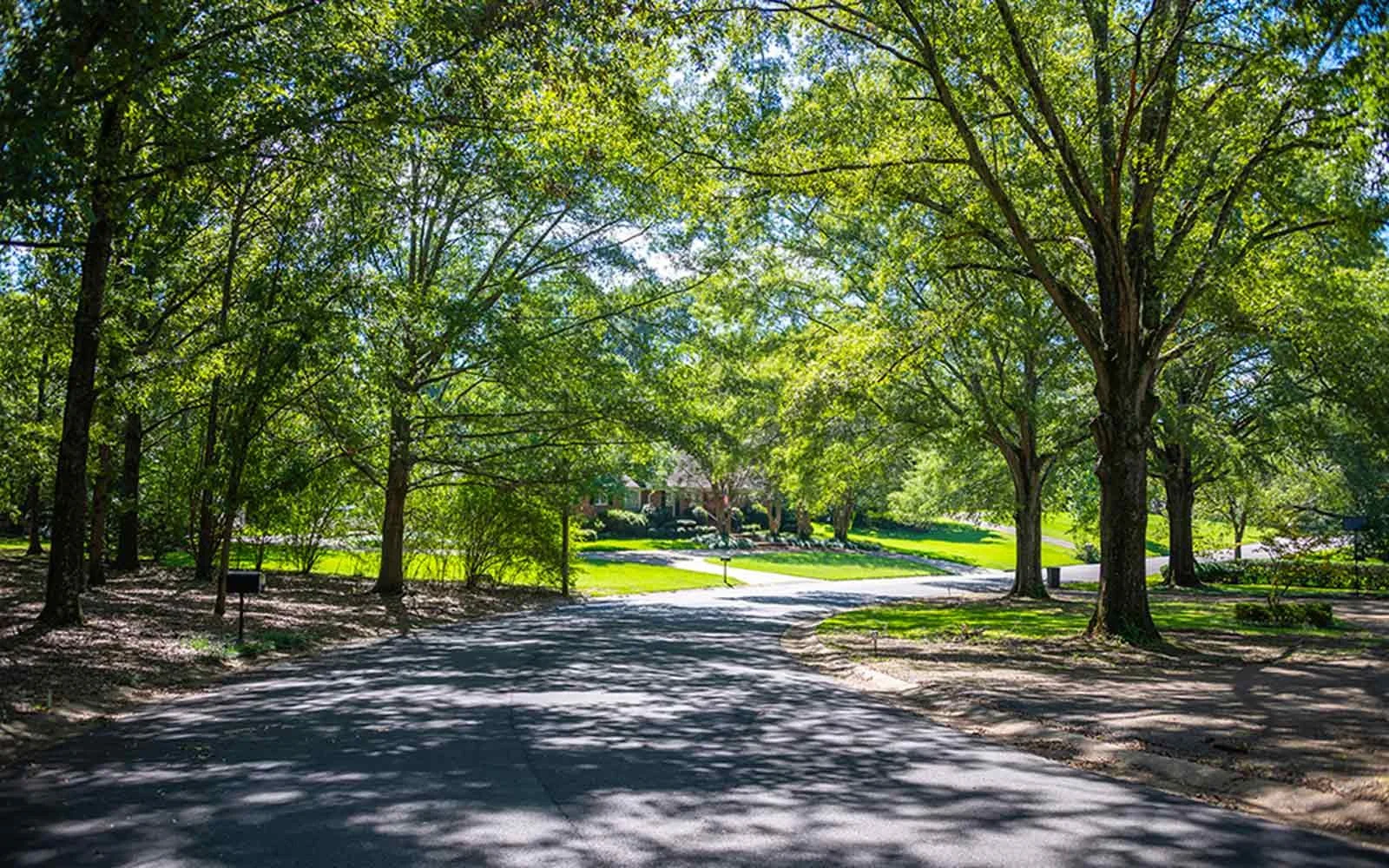
Plants are the most effective, sustainable, and beautiful shading tools for your garden. Unlike built structures, they cool the air through transpiration, improve air quality, and create habitats for wildlife—all while providing shade.
🌳 1. Tree Canopy Shading
The ultimate natural shade provider. Large trees are the primary shade creators in any garden, offering broad coverage and long-term benefits.
Why Trees Are the Best Shade Solution:
✅ Cost-effective – Once established, trees require minimal maintenance compared to built structures.
✅ Multi-functional – They cool the air, reduce noise, improve air quality, and increase property value.
✅ Seasonal flexibility – Deciduous trees allow winter sun while providing summer shade.
✅ Wildlife habitat – Trees support birds, insects, and other wildlife, enhancing biodiversity.
Best Shade Trees for Kenya:
| Tree | Shade Type | Mature Height | Best For | Water Needs |
|---|---|---|---|---|
| Acacia (Vachellia) | Dappled to full | 10-20m | Large gardens, drought-prone areas | Low |
| Jacaranda | Partial to full | 8-15m | Urban gardens, streetscapes | Moderate |
| Neem (Azadirachta indica) | Full shade | 15-20m | Traditional gardens, medicinal use | Low |
| Mango (Mangifera indica) | Partial to full | 10-30m | Edible gardens, large properties | Moderate |
| Palm (Various species) | Dappled | 5-15m | Coastal gardens, modern landscapes | Low to moderate |
| Grevillea | Dappled to partial | 3-8m | Small gardens, wildlife-friendly | Low |
Tree Planting Tips:
Consider mature size – Plant trees at a distance equal to half their mature height from structures.
Mix species – Use a combination of fast-growing (e.g., jacaranda) and slow-growing (e.g., neem) trees for immediate and long-term shade.
Layer heights – Combine tall, medium, and low trees to create a multi-level canopy.
Seasonal variation – Include deciduous trees (like mango or fig) to allow winter sun for warmth.
🌿 2. Layered Plant Shading
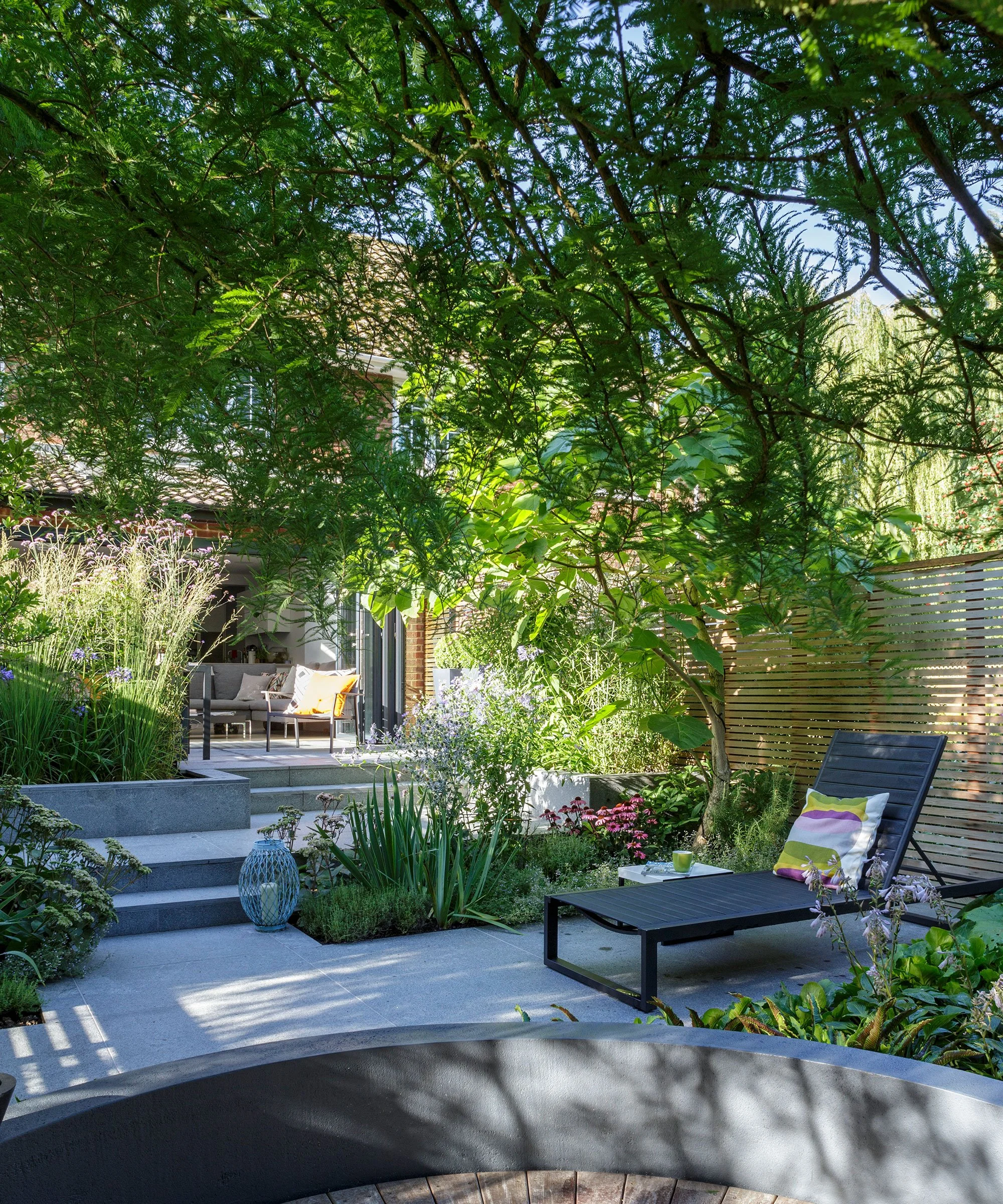
Shrubs and mid-layer plants help block low-angle sun (morning and afternoon) and create additional shade layers beneath trees.
Why Layered Shading Works:
Fills gaps in tree canopies, providing more uniform shade.
Creates privacy while still allowing airflow.
Adds texture and depth to the garden.
Supports understory plants that need protection from direct sun.
Best Shrubs for Layered Shading in Kenya:
| Shrub | Height | Shade Type | Best For | Maintenance |
|---|---|---|---|---|
| Duranta (Golden Dewdrop) | 2-4m | Partial to full | Hedges, ornamental use | Moderate |
| Clivia | 0.5-1m | Full shade | Under trees, shaded borders | Low |
| Hibiscus | 1-3m | Partial shade | Flowering hedges, mixed borders | Moderate |
| Murraya (Orange Jasmine) | 1-3m | Partial to full | Scented gardens, low hedges | Low |
| Bougainvillea | 2-8m | Dappled to partial | Pergolas, walls, fences | Moderate |
Layered Planting Diagram:
(Primary Shade)
(Secondary Filter)
(Heat Reduction Base)
From left to right: Tree Canopy → Shrubs → Groundcovers
🌾 3. Ground-Level Cooling
Groundcovers and low plants reduce heat reflection from the soil and cool the air through transpiration.
Why Ground-Level Cooling Matters:
Lowers surface temperatures – Bare soil can reach 60°C (140°F) in direct sun; groundcovers keep it 10-20°C cooler.
Reduces evaporation – Less moisture is lost from the soil, reducing watering needs.
Suppresses weeds – Dense groundcovers block sunlight to weed seeds, reducing maintenance.
Adds texture – Groundcovers create a lush, layered look in shaded areas.
Best Groundcovers for Shaded Areas in Kenya:
| Groundcover | Height | Shade Tolerance | Best For | Water Needs |
|---|---|---|---|---|
| Asystasia (Chinese Violet) | 0.2-0.5m | Full to partial | Fast-spreading, flowering | Moderate |
| Liriope (Lily Turf) | 0.3-0.5m | Full to partial | Borders, under trees | Low |
| Mondo Grass (Ophiopogon) | 0.1-0.3m | Full shade | Lawn substitute, formal gardens | Moderate |
| Plectranthus (Spur Flower) | 0.3-0.6m | Partial to full | Flowering groundcover, drought-tolerant | Low |
| Creeping Fig (Ficus pumila) | 0.1-0.2m | Partial to full | Walls, containers, hanging baskets | Moderate |
🏗️ 6. Built Shade Systems (Architectural Solutions)
While plants are the most sustainable shade providers, sometimes built structures are necessary for immediate, controlled, or stylized shade. These solutions are especially useful in urban gardens, patios, or areas where trees aren’t practical.
1️⃣ Pergolas: The Classic Shade Structure
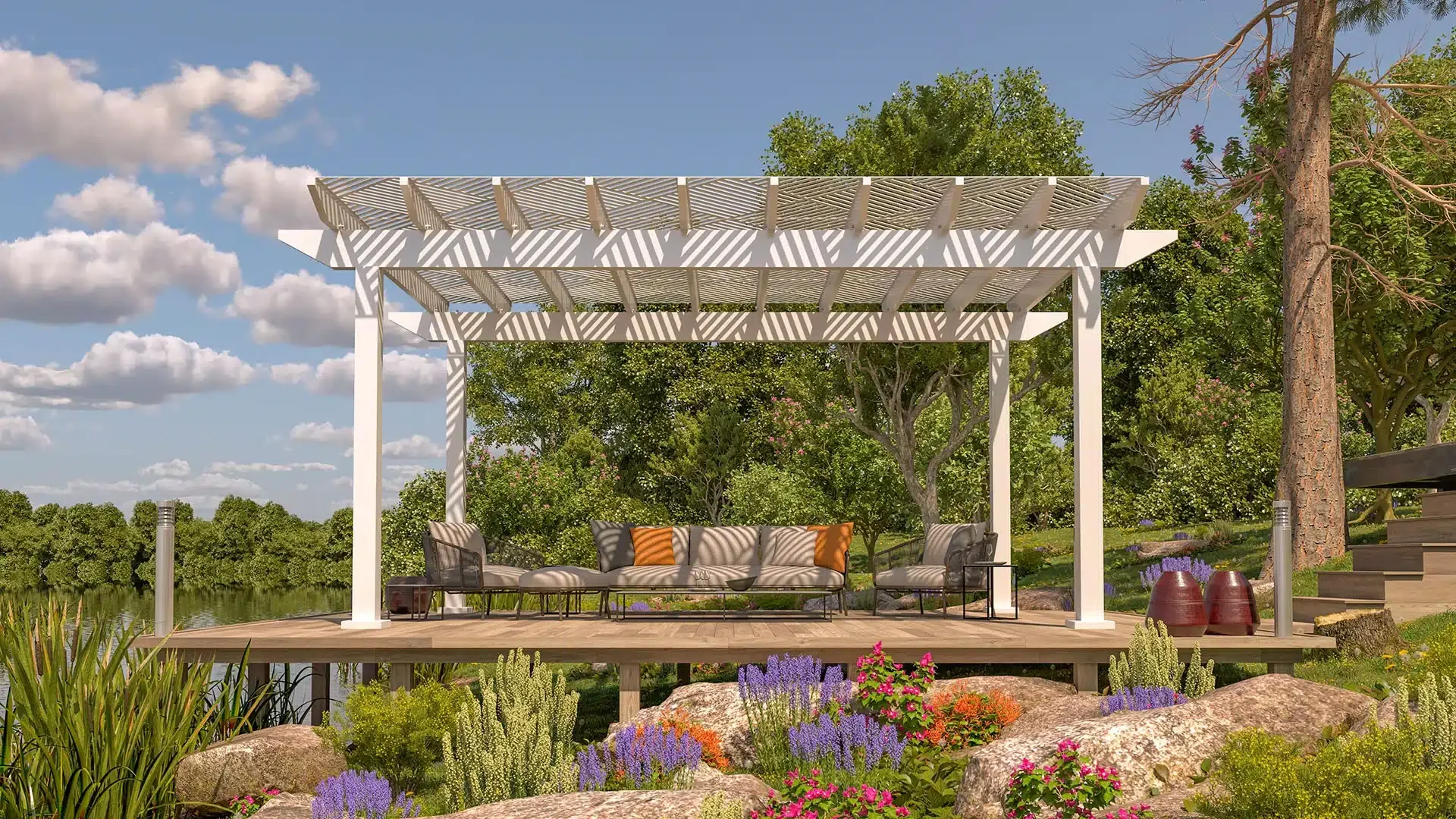
What they are:
Wooden or metal frame structures with an open roof, often supporting climbing plants.
Can be freestanding or attached to a building.
Why they’re great:
✅ Adjustable shade – The open roof allows filtered light, while climbing plants can provide additional coverage.
✅ Defines outdoor rooms – Creates a sense of enclosure without feeling closed in.
✅ Versatile – Can be used for seating areas, walkways, or garden entries.
✅ Aesthetic appeal – Adds architectural interest to the garden.
Design Tips:
Orientation matters – Place pergolas east-west to block midday sun while allowing morning and afternoon light.
Material choice – Wood (like teak or cedar) is traditional; metal (like aluminum or steel) is modern and low-maintenance.
Plant integration – Use fast-growing climbers (e.g., bougainvillea, jasmine, or wisteria) for quick shade.
Size it right – A pergola should be tall enough (2.5-3m) to allow airflow and prevent a "tunnel" effect.
Best Plants for Pergolas in Kenya:
| Plant | Growth Rate | Shade Coverage | Best For |
|---|---|---|---|
| Bougainvillea | Fast | Dense | Colorful flowers, drought-tolerant |
| Jasmine | Moderate | Medium | Fragrant flowers, evergreen |
2️⃣ Shade Sails: The Modern Shade Solution
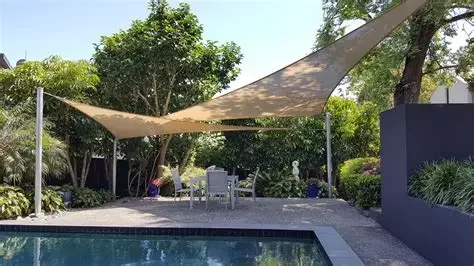
What they are:
Tension fabric structures stretched between posts or buildings.
Made from UV-resistant, breathable materials (like polyester or PVC).
Why they’re great:
✅ Strong sun protection – Blocks 90-95% of UV rays.
✅ Contemporary aesthetic – Adds a modern, sculptural element to the garden.
✅ Flexible – Can be installed at any angle and removed or adjusted as needed.
✅ Quick installation – Can be set up in a few hours without major construction.
Design Tips:
Shape matters – Triangular sails are most stable; rectangular or square sails work for larger areas.
Height is key – Install sails at least 2.5m high to allow airflow and prevent a "closed-in" feel.
Color choice – Light colors (white, beige) reflect heat; dark colors (gray, black) absorb heat but provide better UV protection.
Multiple sails – Layer 2-3 sails at different heights for adjustable shade and visual interest.
Shade Sail Materials Comparison:
| Material | UV Protection | Durability | Breathability | Cost |
|---|---|---|---|---|
| Polyester | 90-95% | High (5-10 years) | High | $$ |
| PVC | 95-99% | Very High (10+ years) | Low | $$$ |
| Acrylic | 85-90% | Moderate (3-7 years) | Very High | $ |
| Bamboo | 70-80% | Low (1-3 years) | Very High | $ |
3️⃣ Roof Extensions & Awnings: Permanent Shade Solutions
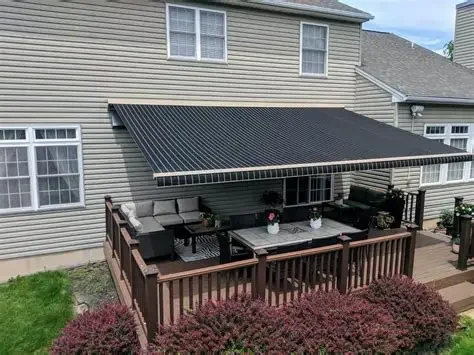
What they are:
Architectural extensions of your home’s roof or freestanding structures that provide permanent shade.
Can be solid or louvered to allow adjustable light.
Why they’re great:
✅ Strong thermal protection – Blocks direct sun while allowing indirect light.
✅ Indoor-outdoor transition – Creates a seamless flow between inside and outside.
✅ Weather-resistant – Provides shelter from rain as well as sun.
✅ Increases home value – Adds usable square footage to your property.
Design Tips:
Match your home’s style – Use similar materials and colors to create a cohesive look.
Consider louvered designs – Adjustable louvers allow you to control light and airflow.
Add ceiling fans – Improves air circulation in covered areas.
Integrate lighting – Makes the space usable at night.
Roof Extension Materials:
| Material | Durability | Maintenance | Cost | Aesthetic |
|---|---|---|---|---|
| Corrugated Iron | Very High (20+ years) | Low | $ | Industrial, modern |
| Polycarbonate | High (10-15 years) | Moderate | $$ | Lightweight, translucent |
| Timber | Moderate (10-15 years) | High | $$$ | Warm, natural |
| Aluminum | Very High (20+ years) | Low | $$ | Sleek, modern |
4️⃣ Other Built Shade Solutions
StructureDescriptionBest ForProsConsGazebosFreestanding, roofed structuresSeating areas, focal pointsPermanent, weatherproofExpensive, requires foundationArborsOpen-frame structures with climbing plantsGarden entries, pathwaysLightweight, plant integrationLimited shade coverageUmbrellasPortable, adjustable shadeDining areas, flexible shadingMovable, affordableTemporary, less durableTrellisesVertical structures for climbing plantsPrivacy screens, plant supportSpace-saving, decorativeRequires plant maintenanceCourtyard WallsHigh walls creating shaded enclosuresIntimate spaces, wind protectionPermanent, privacyCan feel enclosed, blocks views
Built Shade System Comparison
🏠 Roof Extension
Permanent shade
🌿 Pergola
Filtered light
⛵ Shade Sail
Modern, flexible
🌳 Open Garden
Full sun
🔥 7. Heat Control Strategies in Garden Design
Shade alone is not enough—to create a truly comfortable garden in a hot climate, you must actively manage heat. This involves controlling surface temperatures, improving airflow, and using water to cool the environment.
1️⃣ Surface Material Selection

The materials you choose for paths, patios, and other surfaces have a huge impact on how hot your garden feels.
How Materials Affect Heat:
Dark colors absorb heat and can reach temperatures high enough to burn skin.
Light colors reflect heat, keeping surfaces cooler to the touch.
Dense materials (like concrete) retain heat long after the sun goes down.
Porous materials (like gravel) allow heat to escape, reducing surface temperatures.
Surface Material Comparison:
| Material | Heat Behavior | Temperature Range | Best For | Maintenance |
|---|---|---|---|---|
| Concrete | High heat retention | 40-60°C (104-140°F) | Driveways, high-traffic areas | Low |
| Stone (Dark) | Moderate to high heat retention | 35-50°C (95-122°F) | Patios, formal gardens | Low |
| Stone (Light) | Low heat retention | 25-35°C (77-95°F) | Pathways, seating areas | Low |
| Gravel | Low heat buildup | 20-30°C (68-86°F) | Informal paths, drainage areas | Moderate (weeding) |
| Wood Decking | Moderate heat retention | 30-40°C (86-104°F) | Decks, seating areas | High (sealing, staining) |
| Artificial Turf | High heat retention | 50-70°C (122-158°F) | Low-maintenance lawns | Low |
| Natural Grass | Cool surface | 20-30°C (68-86°F) | Lawns, play areas | High (mowing, watering) |
Pro Tips for Surface Materials:
Use light-colored materials in sun-exposed areas to reflect heat.
Combine materials – For example, use gravel between pavers to reduce heat buildup.
Add shade – Even the best materials will get hot in direct sun; always pair with shade structures.
Consider water features – A small fountain or pond near seating areas can cool the air through evaporation.
2️⃣ Reflective vs. Absorbent Surfaces
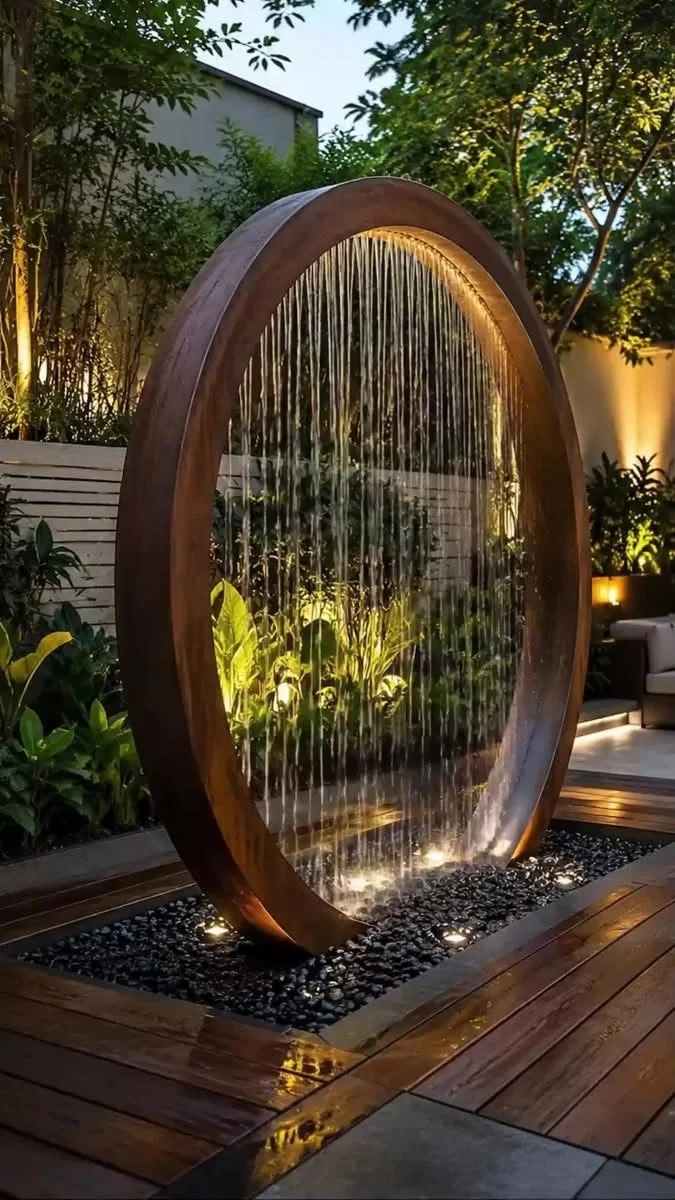
How color and material affect heat:
Reflective surfaces (light colors, shiny materials) bounce heat away, keeping the area cooler.
Examples: White gravel, light-colored stone, polished concrete.
Absorbent surfaces (dark colors, matte materials) soak up heat, making the area warmer.
Examples: Dark paving, black mulch, dark wood.
Design Strategy:
Use reflective surfaces in sun-exposed areas (e.g., white gravel paths).
Use absorbent surfaces in shaded areas where you want to retain warmth (e.g., dark stone in a north-facing courtyard).
Combine both for a balanced effect – for example, light paving with dark accents for visual interest.
3️⃣ Water Integration for Cooling
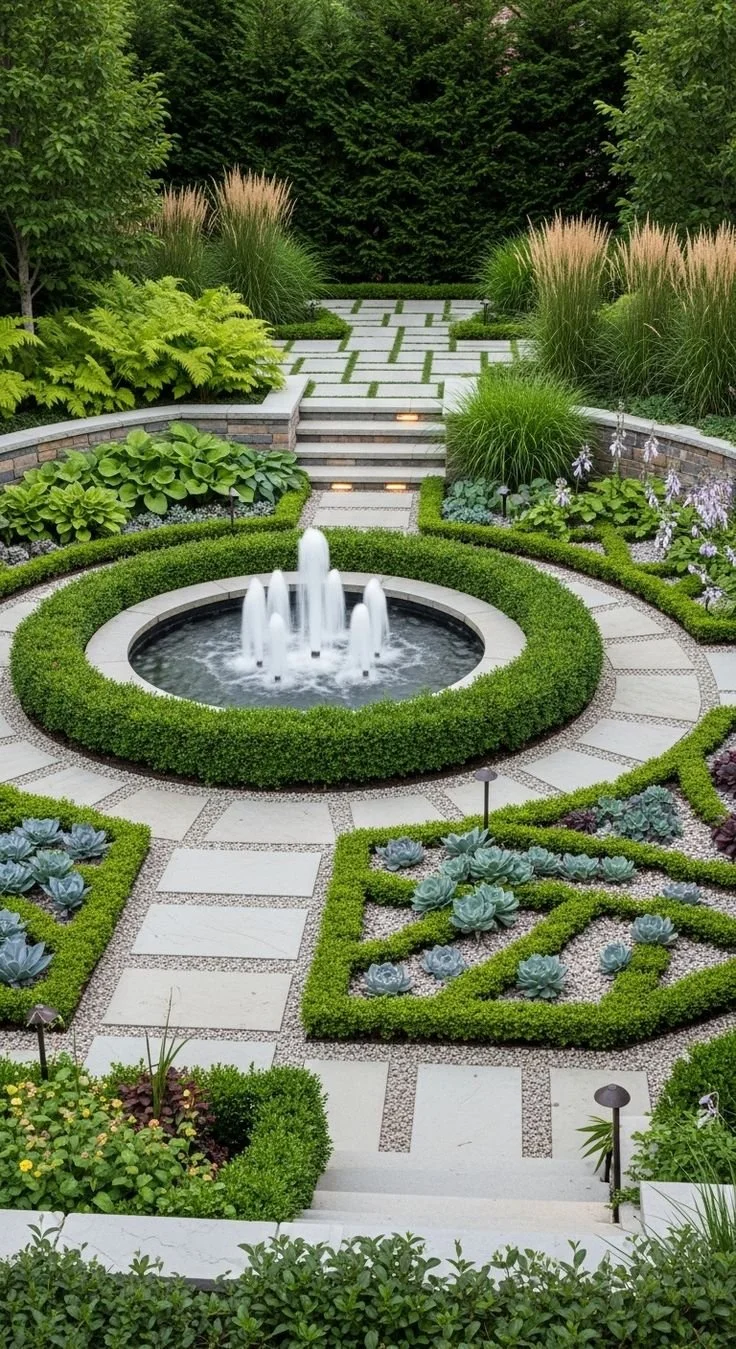
Water is one of the most effective ways to cool a garden. As it evaporates, it absorbs heat from the air, creating a natural air-conditioning effect.
How Water Cools the Garden:
Evaporative cooling – Water absorbs heat as it evaporates, lowering the ambient temperature.
Humidity control – Water features increase humidity, which can make the air feel cooler (though this is less effective in very humid climates like coastal Kenya).
Visual cooling – The sight and sound of water create a psychological sense of coolness.
Best Water Features for Cooling:
| Feature | Cooling Effect | Space Required | Maintenance | Cost |
|---|---|---|---|---|
| Pond | High (evaporative + humidity) | Large | Moderate | $$$ |
| Fountain | Very High (evaporative + airflow) | Small to Medium | High | $$ |
| Water Wall | High (evaporative + sound) | Small | Moderate | $$$ |
| Bird Bath | Low (evaporative) | Small | Low | $ |
| Mist System | Very High (active cooling) | Flexible | High | $$$$ |
Heat Control Diagram:
🌿 8. Plant Strategies for Cooling Shaded Zones
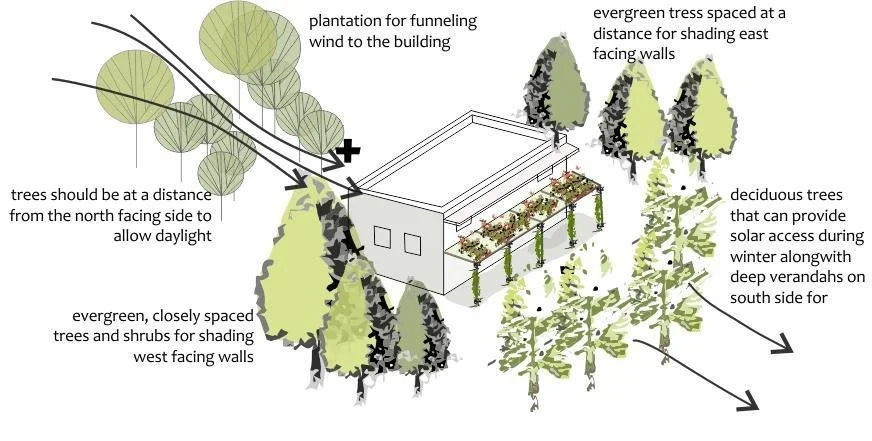
The plants you choose play a huge role in how effective your shaded zones are at cooling the environment. The right plants can lower temperatures, increase humidity, and create a more comfortable microclimate.
1️⃣ Large-Leaf Plants: Nature’s Air Conditioners
Why they work:
Large surface area = more transpiration = more cooling.
Create humidity through evapotranspiration, which cools the air.
Provide dense shade with their broad leaves.
Best Large-Leaf Plants for Kenya:
| Plant | Leaf Size | Cooling Effect | Shade Tolerance | Water Needs |
|---|---|---|---|---|
| Banana (Musa) | Very large (1-2m) | Very High | Partial to full | High |
| Philodendron | Large (0.5-1m) | High | Full to partial | Moderate |
| Strelitzia (Bird of Paradise) | Large (0.5-1m) | High | Partial | Moderate |
| Alocasia (Elephant Ear) | Very large (0.5-1m) | Very High | Full to partial | High |
| Colocasia (Taro) | Very large (0.5-1m) | Very High | Full to partial | High |
2️⃣ Dense Canopy Trees: The Ultimate Shade Providers
Why they work:
Fast shade creation – Provide immediate relief from the sun.
Strong cooling effect – Can lower temperatures by 5-10°C (9-18°F).
Year-round benefits – Evergreen species provide shade in all seasons.
Best Dense Canopy Trees for Kenya:
| Tree | Growth Rate | Canopy Density | Cooling Effect | Best For |
|---|---|---|---|---|
| Markhamia lutea (Nandi Flame) | Fast | Dense | Very High | Fast shade, urban areas |
| Ficus benjamina (Weeping Fig) | Moderate | Very Dense | Very High | Evergreen shade, large gardens |
| Syzygium cumini (Java Plum) | Moderate | Dense | High | Edible fruit, traditional gardens |
| Cassia siamea (Kassod Tree) | Fast | Dense | Very High | Drought-tolerant, fast-growing |
3️⃣ High-Transpiration Plants: Natural Humidifiers
Why they work:
Release moisture into the air through transpiration, increasing humidity.
Cool the air through evaporative cooling.
Improve comfort in dry climates.
Best High-Transpiration Plants for Kenya:
| Plant | Transpiration Rate | Humidity Boost | Shade Tolerance | Water Needs |
|---|---|---|---|---|
| Bamboo | Very High | Very High | Partial | High |
| Eucalyptus | Very High | Very High | Full sun to partial | Moderate |
| Papyrus (Cyperus) | High | High | Full to partial | Very High |
| Fern (Various species) | Moderate | Moderate | Full to partial | High |
| Hibiscus | High | High | Partial | Moderate |
Plant Cooling System Diagram:
From top to bottom: Tree Shade → Moist Shrubs → Groundcover Cooling → Air Humidity Balance
🗺️ 9. Spatial Design of Shaded Zones
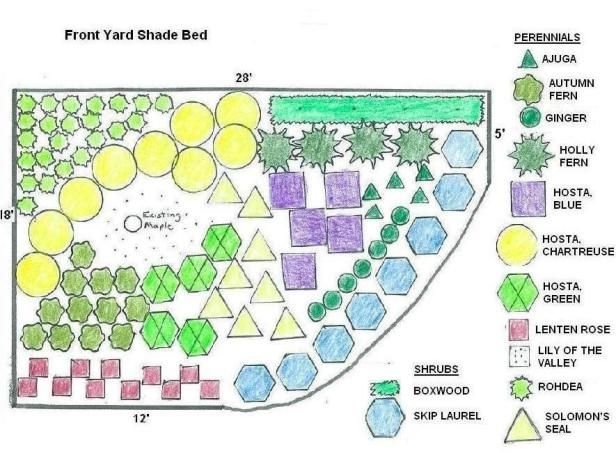
Shade must be placed strategically—not randomly. The location, size, and type of shade should align with how you use your garden.
Shade Zoning Principles
1️⃣ Shade Follows Use
Different activities require different types of shade.
ActivityShade TypeWhy?DiningPartial to fullAllows light for evening meals while keeping cool during the day.Reading/LoungingFull shadeProvides consistent comfort for extended periods.Play AreasDappled or partialProtects from sunburn while allowing grass to grow.PathwaysPartial or dappledPrevents overheating while allowing safe navigation.GardeningPartial shadeProtects plants and gardeners from harsh sun.
Design Tip:
Seating areas (like patios or benches) need full or partial shade to be usable during the day.
Dining areas benefit from adjustable shade (like pergolas with climbers) to allow flexibility for different times of day.
Play areas should have dappled shade to protect children while still allowing light for grass or groundcovers.
2️⃣ Shade Follows Time
The sun’s position changes throughout the day, so your shade should too.
Morning sun (east) is gentler and can be welcome in cooler months.
Midday sun (south in Kenya) is harsh and requires strong shade.
Afternoon sun (west) is hot and intense, especially in the dry season.
Design Strategy:
Place dense shade (like trees or pergolas) on the west and south sides of seating areas.
Use lighter shade (like dappled tree cover) on the east side to allow morning sun.
Consider adjustable shade (like retractable awnings) for areas that need flexibility.
Sun Path Diagram:
Shade should be densest on the west and south sides, where the sun is most intense.
3️⃣ Shade Follows Movement
Shaded paths encourage exploration and make your garden feel larger and more engaging.
Design Tips:
Lead with shade – Use shaded walkways to guide visitors through the garden.
Create destinations – Place shaded seating or focal points at the end of paths to draw people in.
Vary the experience – Alternate between shaded and sunny sections to create visual interest and rhythm.
Spatial Shade Diagram:
🚪 Entrance
Light tree canopy
🚶 Walkway
Dappled shade from trees
🛋️ Seating Area
Full pergola shade
🌿 Garden Core
Mixed natural shade
🌳 Boundary
Dense tree screening
🌡️ 10. Microclimate Optimization Techniques
To maximize the effectiveness of your shaded zones, you need to optimize the microclimate within each area. This involves controlling wind, layering temperatures, and stacking shade sources for the best results.
1️⃣ Wind Direction Control
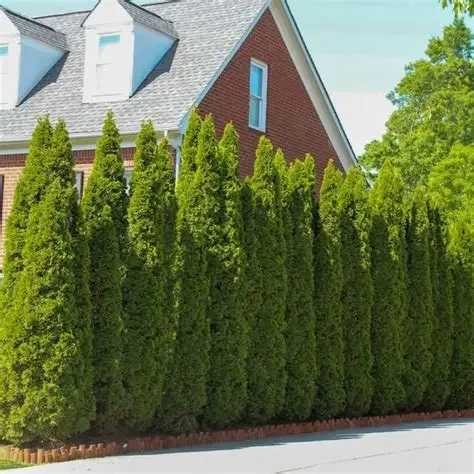
Wind can be both a cooling asset and a heat liability, depending on its direction and temperature.
Strategies:
Block hot winds – Use dense hedges, walls, or fences on the west or north sides (depending on your local wind patterns) to prevent hot, dry winds from entering your garden.
Channel cool breezes – Open up gaps in fences or use permeable screens to allow cool breezes to flow through seating areas.
Create windbreaks – Plant tall, dense trees or shrubs to reduce wind speed and prevent soil erosion.
Avoid wind tunnels – Be careful with straight pathways or gaps between buildings, which can accelerate wind and make the space uncomfortable.
Wind Control Diagram:
🌬️ Hot Wind
Blocked by hedge
❄️ Cool Zone
Protected from wind
🌬️ Cool Breeze
Channelled through
2️⃣ Thermal Layering
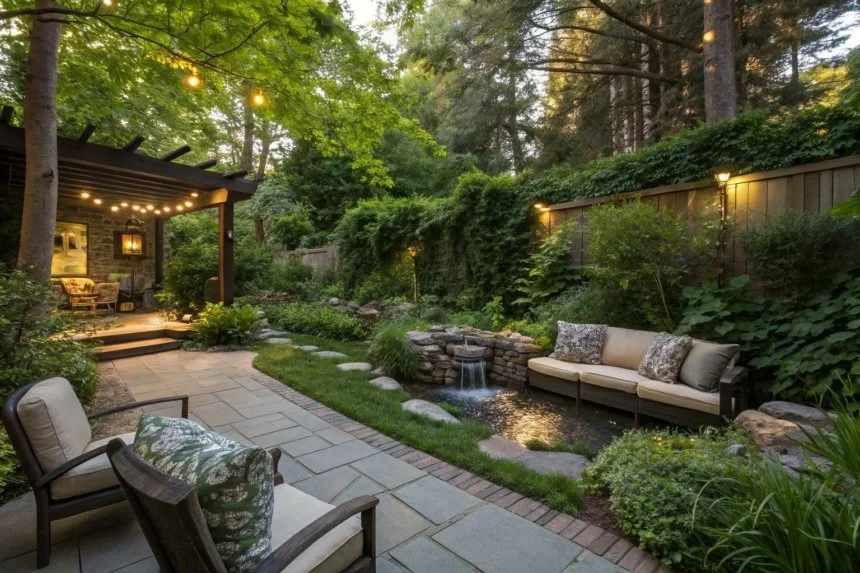
Different areas of your garden can have different temperature zones, creating a comfortable gradient that encourages movement and use.
Thermal Zoning Strategy:
Cool zones (e.g., seating areas, dining spaces) – Use dense shade, water features, and cooling plants.
Warm zones (e.g., planting beds, pathways) – Allow more sun exposure for heat-loving plants.
Transition zones – Use partial shade to connect cool and warm areas smoothly.
Thermal Layering Diagram:
From left to right: Warm Zone (sun) → Transition (partial shade) → Cool Zone (full shade + water)
3️⃣ Shade Stacking
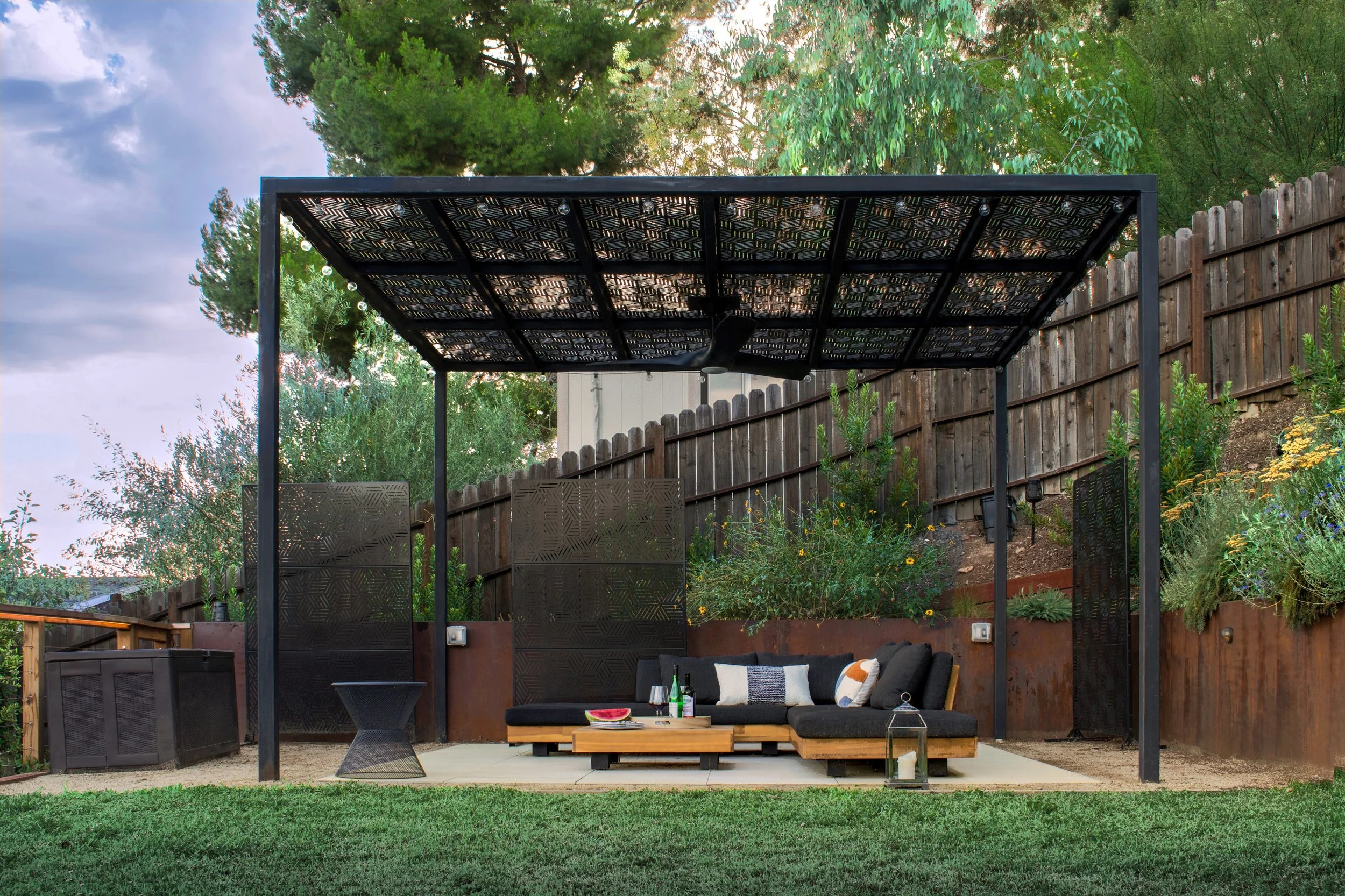
The most effective shade systems combine multiple layers of shading to create maximum cooling.
How it works:
Tree canopy (primary shade) blocks direct sunlight.
Pergola or sail (secondary shade) filters additional light.
Climbing plants (tertiary shade) add extra coverage and cooling through transpiration.
Shade Stacking Diagram:
From top to bottom: Tree Shade → Pergola Filter → Plant Layer → Cooling Zone
Pro Tip:
Layer your shade sources for the coolest, most comfortable spaces:
Start with trees for primary shade.
Add pergolas or sails for secondary filtering.
Incorporate climbing plants for extra coverage and cooling.
Use groundcovers to reduce heat reflection from the soil.
❌ 11. Common Mistakes in Shade Design
Even with the best intentions, shade design can go wrong if not planned carefully. Here are the most common mistakes and how to avoid them:
Common Shade Mistakes & Fixes
| Mistake | Result | Why It Happens | Fix |
|---|---|---|---|
| No shade planning | Unusable outdoor space during peak heat | Assuming plants or existing structures will provide enough shade | Map sun exposure throughout the day and plan shade accordingly |
| Wrong tree placement | Uneven cooling, dead plants, or structural damage | Planting trees too close to buildings, pools, or power lines | Consider mature tree size and place at least half the mature height away from structures |
| Over-shading everything | Dark, lifeless garden with poor plant growth | Using too much shade without considering plant light needs | Balance shade and sun; use shade where needed and allow sun for sun-loving plants |
| Ignoring airflow | Stagnant heat pockets, poor air circulation | Blocking all wind or creating wind tunnels | Allow for cross-breezes; use permeable screens instead of solid walls |
| Hardscape overheating | Uncomfortable surfaces, heat radiating at night | Using dark, dense materials in sun-exposed areas | Use light-colored, porous materials; add shade to hardscape areas |
| Not considering seasonal changes | Shade in the wrong place at the wrong time of year | Planting only evergreen trees or not accounting for sun angles | Mix deciduous and evergreen trees; consider the sun’s seasonal path |
| Poor material choices | Shade structures that fade, rot, or collapse | Using cheap or inappropriate materials for shade structures | Invest in durable, weather-resistant materials like treated wood, aluminum, or UV-resistant fabrics |
Pro Tip:
If your garden feels too hot or uncomfortable, it’s likely due to one of these issues:
Not enough shade in the right places.
Poor airflow causing stagnant heat.
Wrong materials absorbing and radiating heat.
Lack of water features to cool the air.
🏡 12. Real-World Shaded Garden Example: A Kenyan Residential Design
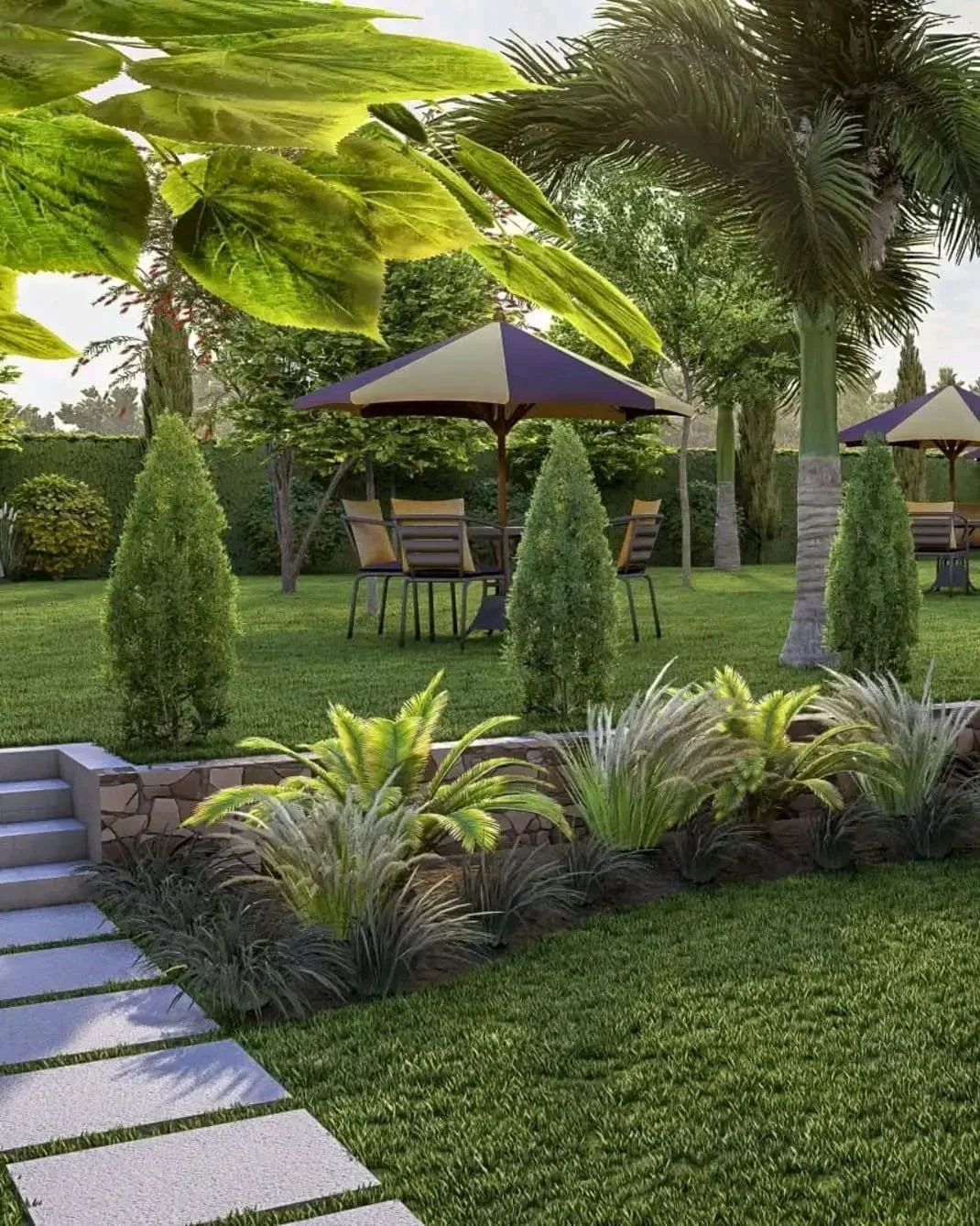
Let’s apply everything we’ve learned to a real-world example—a suburban home in Nairobi with a hot, dry climate and a need for comfortable outdoor living spaces.
Garden Layout & Shade Plan
| Zone | Shade Strategy | Shade Type | Key Features | Plants/Materials |
|---|---|---|---|---|
| Entrance | Light tree canopy | Dappled | Welcoming pathway, visible from street | Jacaranda tree, creeping thyme, light gravel |
| Front Patio | Pergola with climbing plants | Partial to full | Outdoor dining and seating | Bougainvillea, timber pergola, stone paving |
| Side Pathway | Dappled shade from trees | Dappled | Connects front to back, encourages exploration | Grevillea trees, mondo grass, gravel |
| Backyard Lounge | Full pergola + shade sail | Full | Primary relaxation area, outdoor living room | Shade sail, wisteria on pergola, banana plants, water feature |
| Vegetable Garden | Partial shade from trellises | Partial | Food production, easy access | Passion fruit trellis, tomato cages, mulch |
| Boundary | Dense tree screening | Full | Privacy, security, windbreak | Cypress trees, duranta hedge, climbers on fence |
Design Features:
Entrance Shade:
A jacaranda tree provides dappled shade over the pathway, creating a welcoming, cool entry to the home.
Light gravel reflects heat, keeping the path cool underfoot.
Front Patio:
A timber pergola with bougainvillea provides adjustable shade for dining and seating.
Stone paving stays cooler than concrete and complements the natural wood.
Side Pathway:
Grevillea trees offer dappled shade along the path, encouraging exploration of the garden.
Mondo grass and gravel reduce heat and suppress weeds.
Backyard Lounge:
A combination of a pergola and shade sail provides full shade for the primary seating area.
Banana plants and a small water feature add cooling and humidity.
Comfortable outdoor furniture makes the space usable year-round.
Vegetable Garden:
Trellises with passion fruit provide partial shade for delicate vegetables.
Mulch retains moisture and keeps the soil cool.
Boundary:
Cypress trees and duranta hedge create a dense screen for privacy and wind protection.
Climbing plants on the fence add extra shade and greenery.
Result:
A cool, comfortable, and functional outdoor space that:
✅ Extends living space outside the home
✅ Reduces indoor cooling costs by shading the house
✅ Provides year-round usability with a mix of shade types
✅ Enhances property value with attractive, well-planned landscaping
✅ Supports diverse plant life with tailored microclimates
🌅 13. Advanced Concept: Dynamic Shade Design
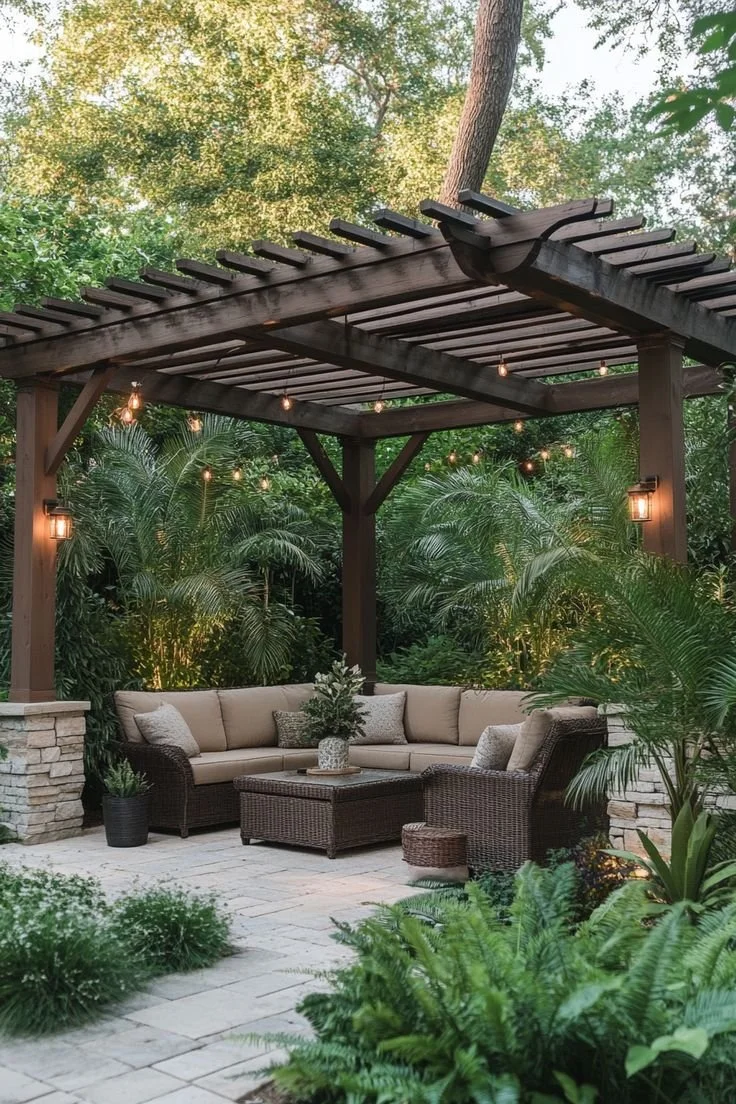
Shade is not static—it changes throughout the day and across the seasons. Dynamic shade design embraces this movement, using it to create a garden that evolves with the sun’s path.
Dynamic Shade Principles
1️⃣ Morning Shade ≠ Afternoon Shade
Morning sun (east) is gentler and cooler, often welcome in gardens.
Afternoon sun (west) is hotter and more intense, requiring stronger shade.
Design Strategy:
Use lighter shade (e.g., dappled tree cover) on the east side to allow morning light.
Use denser shade (e.g., pergolas, sails, or dense trees) on the west side to block harsh afternoon sun.
2️⃣ Trees Create Shifting Patterns
Trees with small leaves (e.g., acacia, grevillea) create fine, moving dappled patterns.
Trees with large leaves (e.g., fig, mango) create bold, dramatic shadows.
Palm trees create linear, striped shadows that change with the wind.
Design Tip:
Use different tree types to create varied light effects throughout the garden.
Place seating areas where shifting patterns create interesting light and shadow play.
3️⃣ Pergolas Create Fixed Shade Zones
Unlike trees, pergolas provide consistent shade regardless of the time of day.
Adjustable pergolas (with louvers or retractable roofs) allow control over light and airflow.
Design Tip:
Combine pergolas with climbing plants for seasonal adjustment (e.g., deciduous vines that allow winter sun but provide summer shade).
4️⃣ Seasonal Sun Angles Change Coverage
In summer, the sun is higher, so vertical shade (like walls or tall trees) is less effective.
In winter, the sun is lower, so horizontal shade (like awnings or roof extensions) blocks more light.
Design Strategy:
Use deciduous trees to allow winter sun for warmth while providing summer shade.
Install adjustable shade structures (like retractable awnings) to adapt to seasonal changes.
Dynamic Shading Diagram:
🌅 Morning
Light shifts east
☀️ Midday
Shade shifts south
🌇 Afternoon
Shade shifts west
🌙 Evening
Comfort zones move
Pro Tip:
Embrace dynamic shade by:
Observing sun patterns in your garden at different times of day and year.
Placing seating areas where they’ll be shaded during the hottest parts of the day.
Using a mix of fixed and adjustable shade to adapt to changing conditions.
Planting a variety of trees to create different light effects.
🌿 Conclusion: Shade Is the Architecture of Comfort
Shaded garden zones are not optional in hot-climate landscape design—they are essential infrastructure. In places like Kenya, where the sun can be intense and relentless, shade transforms a garden from a decorative feature into a livable, functional, and enjoyable space.
When Designed Correctly, Shade:
✅ Transforms usability – Turns unused areas into comfortable, inviting spaces.
✅ Enhances plant health – Allows for a wider variety of plants and reduces heat stress.
✅ Reduces heat stress – Lowers temperatures by 5-10°C (9-18°F), making outdoor living possible year-round.
✅ Defines outdoor rooms – Creates distinct zones for dining, lounging, and gardening.
✅ Creates emotional comfort – Makes your garden feel like a sanctuary rather than a sunbaked wasteland.
A well-shaded garden is not just cooler—it is alive, usable, and deeply inviting throughout the day.
🌟 Final Takeaways:
Shade is a necessity, not a luxury – In hot climates, it’s the difference between a garden you look at and one you live in.
Use a mix of natural and built shade – Combine trees, pergolas, sails, and roof extensions for maximum effectiveness.
Design for microclimates – Tailor each zone to its specific conditions and uses.
Control heat holistically – Manage surfaces, airflow, and water in addition to shade.
Plan for movement – Account for changing sun angles throughout the day and year.
Start small and expand – Begin with one shaded zone (like a patio or seating area) and build from there.
Your garden’s potential is waiting in the shade.
Start by observing your space, identifying the hottest areas, and designing shade solutions that turn them into cool, comfortable retreats.
💬 What’s your biggest shade challenge?
Share your experiences or ask questions in the comments!
P.S. Need help designing your perfect shaded garden? Book a consultation and let’s create a cool, comfortable outdoor oasis together! 🌳❄️
