
HOW TO PLAN A GARDEN FROM SCRATCH .
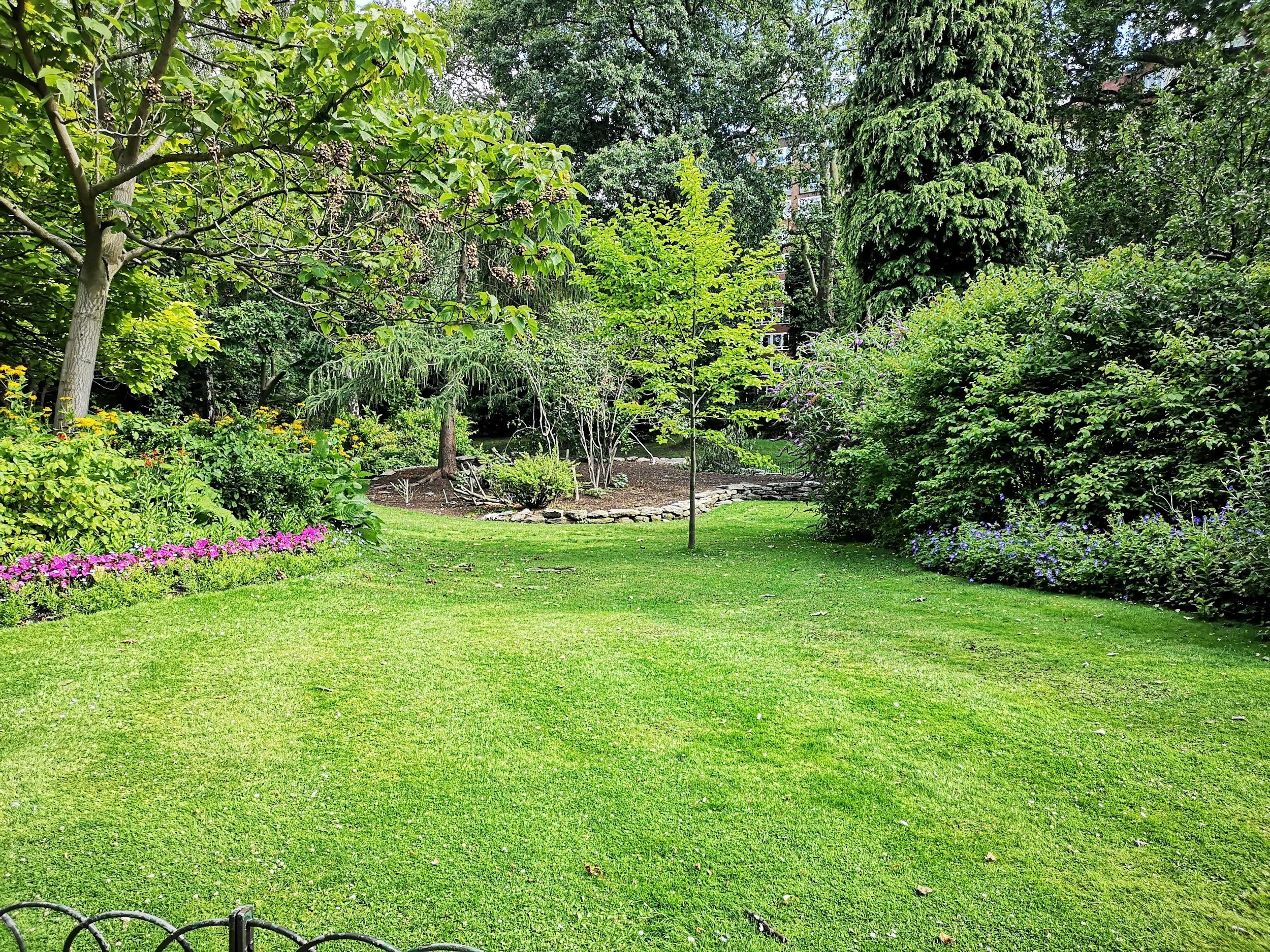
Introduction: Why Garden Planning Matters More Than Planting
Most failed gardens don’t fail because of plants—they fail because of poor planning.
People often rush into buying seedlings, flowers, or turf without understanding:
sunlight patterns
soil conditions
circulation paths
water flow
spatial balance
The result is usually a garden that looks “busy” but feels disorganized, hard to maintain, or completely mismatched with the home.
A well-planned garden, on the other hand, feels intentional. Every plant, pathway, and feature has a purpose. It grows beautifully over time with minimal correction.
This guide walks you through how to design a garden from scratch in a structured, professional way—just like a landscape architect would approach a real project.
Step 1: Understand the Site Before Anything Else
Before sketching anything, you need to study the land. This is called site analysis.
Key factors to observe:
| Element | What to Look For | Why It Matters |
|---|---|---|
| Sunlight | Morning vs afternoon sun | Determines plant placement |
| Wind direction | Strong or calm areas | Affects plant survival |
| Soil type | Sandy, clay, loam | Influences drainage & fertility |
| Slope | Flat or sloped ground | Affects drainage & structure |
| Existing features | Trees, walls, rocks | Can be integrated into design |
A common mistake is ignoring existing conditions and forcing a design onto the site. Good gardens are responses to nature, not impositions on it.
Step 2: Define the Purpose of the Garden
Every garden must have a function. Without function, design becomes random decoration.
Ask:
Is it for relaxation?
Entertainment?
Food production?
Aesthetic appeal?
A mix of all?
Example Garden Types:
Hello, World!
Once you define purpose, design decisions become much easier and more logical.
Step 3: Create a Rough Concept Plan
This is where sketching begins—not details, just structure.
Start by dividing the space into zones.
Common garden zones:
Entrance / transition zone
Lawn or open space
Seating / lounge area
Planting beds
Utility areas (compost, storage)
Feature zones (focal points)
Think of it like organizing rooms in a house.
Step 4: Zoning the Garden Properly
Zoning ensures the garden feels structured and usable.
Here’s a simple zoning diagram (conceptual):
[Entrance]
     ↓
[Transition Pathway]
     ↓
[Main Lawn / Open Area]
   ↙        ↓        ↘
Seating   Feature   Plant Beds
Area       Point
Zoning principles:
Quiet areas should be separated from active areas
Utility zones should be hidden but accessible
Focal points should anchor visual attention
Movement should feel natural, not forced
Step 5: Design Circulation Paths (Movement Flow)
Paths are the “invisible structure” of your garden.
Poorly designed paths make even beautiful gardens feel uncomfortable.
Types of pathways:
| Path Type | Use | Design Style |
|---|---|---|
| Straight paths | Formal gardens | Modern, structured |
| Curved paths | Natural gardens | Organic, soft flow |
| Stepping stones | Light movement | Informal, playful |
| Gravel paths | Rustic gardens | Natural and cost-effective |
Flow principle:
A good garden path should:
lead somewhere meaningful
avoid unnecessary sharp turns
feel intuitive to walk through
Step 6: Establish Focal Points
A garden without focal points feels visually flat.
A focal point is anything that immediately draws attention.
Examples:
A large tree
A water fountain
A sculpture
A seating pavilion
A flower bed with bold colours
Visual hierarchy diagram:
Strong Focal Point → Medium Elements → Background PlantsWithout hierarchy, everything competes for attention—and nothing stands out.
Step 7: Choose a Garden Style
Style brings identity to your garden.
Popular styles:
| Style | Characteristics |
|---|---|
| Modern | Clean lines, minimal plants |
| Tropical | Dense greenery, lush feel |
| Mediterranean | Warm tones, gravel, olives |
| Japanese | Simplicity, balance, stones |
| Cottage | Informal, colorful flowers |
Style consistency rule:
Do NOT mix too many styles. Stick to 1 dominant + 1 supporting style.
Example:
Tropical + Modern = clean lush garden
Cottage + Natural = soft romantic garden
Step 8: Plant Selection Strategy
Plants should never be chosen randomly.
They should be layered:
| Layer | Type of Plants |
|---|---|
| Canopy | Trees |
| Mid-layer | Shrubs |
| Ground layer | Grass, groundcovers |
| Accent layer | Flowers, focal plants |
Plant layering structure:
Example plant distribution chart:
Trees:       ████
Shrubs:      ███████
Groundcover: ██████████
Flowers:     ████
This ensures depth, texture, and year-round interest.
Step 9: Soil Preparation & Groundworks
Healthy soil = healthy garden.
Before planting:
remove debris
test drainage
improve fertility with compost/manure
loosen compacted soil
Soil condition guide:
| Soil Type | Action Needed |
|---|---|
| Clay | Add sand + compost |
| Sandy | Add organic matter |
| Loam | Maintain with compost |
| Rocky | Build raised beds |
Soil TypeAction NeededClayAdd sand + compostSandyAdd organic matterLoamMaintain with compostRockyBuild raised beds
Skipping soil preparation is one of the biggest reasons gardens fail early.
Step 10: Add Hardscape Elements
Hardscape = non-living elements.
Examples:
paving
retaining walls
benches
pergolas
edging
Hardscape gives structure to the garden and reduces maintenance.
Balance rule:
A good garden is usually:
60–70% softscape (plants)
30–40% hardscape (structures)
Step 11: Water Management Planning
Water is either your garden’s best friend or worst enemy.
You must plan:
drainage direction
irrigation points
rainwater flow
Simple drainage concept:
High point → slope → drainage pointPoor drainage leads to:
root rot
plant death
mosquito breeding
Step 12: Final Layout Integration
Now bring everything together:
zoning
paths
focal points
plants
structures
At this stage, your sketch becomes a master plan.
Common Mistakes in Garden Planning
| Mistake | Result |
|---|---|
| No site analysis | Plant failure |
| Overcrowding plants | Poor growth |
| Ignoring sunlight | Weak landscapes |
| No focal point | Visual confusion |
| Random style mixing | Unbalanced design |
Conclusion: Planning Creates Beautiful, Sustainable Gardens
A garden is not created by planting—it is created by planning.
When you take time to understand:
space
purpose
structure
flow
planting strategy
You build a garden that:
grows beautifully over time
requires less maintenance
feels intentional and balanced
A well-planned garden doesn’t just look good on day one—it evolves into something better every season.
