
🌱 How to Start an Urban Farm in Small Spaces: A Complete Beginner’s Guide

Urban living often comes with limited space, but that doesn’t mean you can’t grow your own food. Urban farming in small spaces is a powerful way to reconnect with nature, reduce grocery costs, and enjoy fresh, chemical-free produce right from your home. Whether you live in an apartment, a rental, or a compact city house, you can successfully start an urban farm using balconies, rooftops, windowsills, corridors, and even indoor spaces.
This guide breaks down everything you need to know, step by step—from planning and plant selection to watering schedules, soil preparation, and long-term maintenance.
🌿 What Is Urban Farming?
Urban farming is the practice of growing food within cities using limited space and resources. Unlike traditional farming, it relies heavily on containers, vertical systems, and efficient water management. Urban farms can be as small as a single herb pot or as large as a full balcony filled with vegetables.
Urban farming is ideal for:
Apartment dwellers
City homeowners
Renters
Beginners interested in sustainable living
🌞 Step 1: Understand and Assess Your Space
Before buying seeds or pots, evaluate the space you have.
Common Small Urban Farming Spaces:
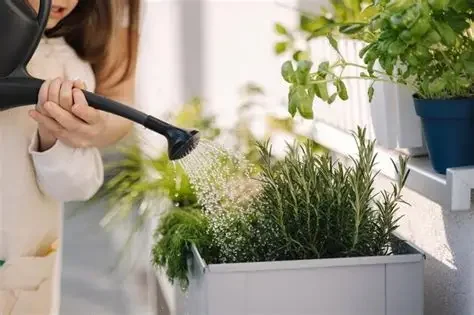
Balconies
Rooftops
Window ledges
Small patios or verandas
Indoor areas with good natural light
Key Questions to Ask:
How many hours of sunlight does the space receive daily?
Is it exposed to wind or heavy rain?
Can the structure support the weight of pots and soil?
Is there easy access to water?
👉 Most vegetables require 4–6 hours of direct sunlight, while herbs and leafy greens can tolerate partial shade.
🪴 Step 2: Choosing the Right Crops for Small Spaces
Not all crops are suitable for urban farming. The key is choosing compact, fast-growing, container-friendly plants.
Best Crops for Urban Farming:
🥬 Leafy Greens (Best for Beginners)
Spinach
Lettuce
Kale
Swiss chard
Amaranth (terere)
These grow quickly, require shallow containers, and can be harvested multiple times.
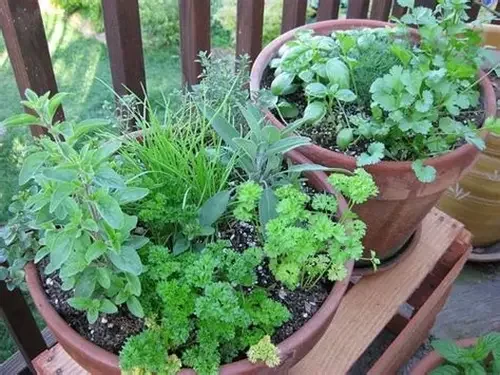
🌿 Herbs (Low Maintenance)
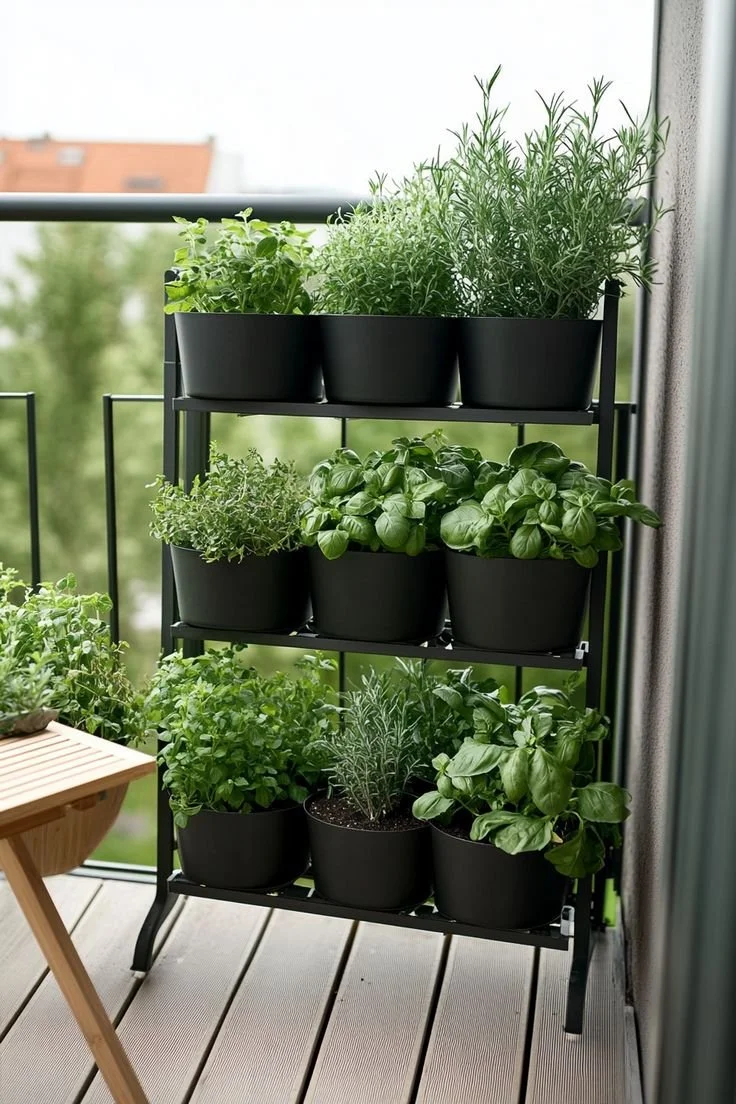
Basil
Mint (grow separately—it spreads fast)
Coriander
Rosemary
Thyme
Herbs thrive in small pots and are perfect for balconies and kitchen windows.
🍅 Fruiting Vegetables
Cherry tomatoes
Capsicum (bell peppers)
Chili peppers
Eggplant
These need deeper containers and more sunlight but are very productive.
🥕 Root Vegetables (Compact Varieties)
Radishes
Baby carrots
Beets
Choose wide containers to allow roots to develop properly.
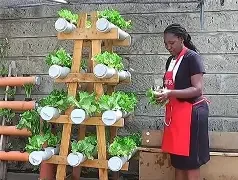
🧱 Step 3: Maximize Space with Vertical Farming
Vertical farming is essential in small urban spaces. Instead of spreading outward, you grow upward.
Vertical Farming Ideas:
Wall-mounted planters
Hanging pots and baskets
Trellises for climbing plants
Stackable planters
Pallet gardens
Vertical setups allow you to grow more food while keeping the space organized and visually appealing.
🪣 Step 4: Selecting the Right Containers
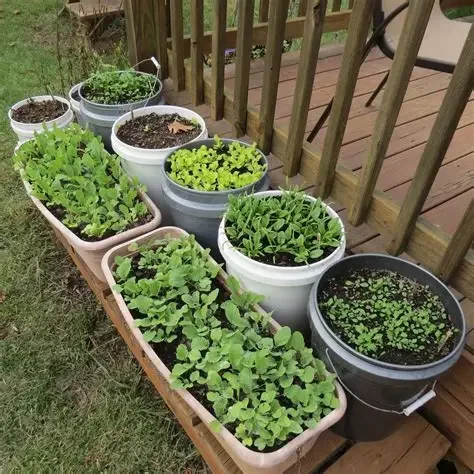
Your choice of container directly affects plant health.
Recommended Container Types:
Plastic or ceramic pots
Grow bags
Buckets (with holes)
Wooden crates lined with plastic
Recycled containers
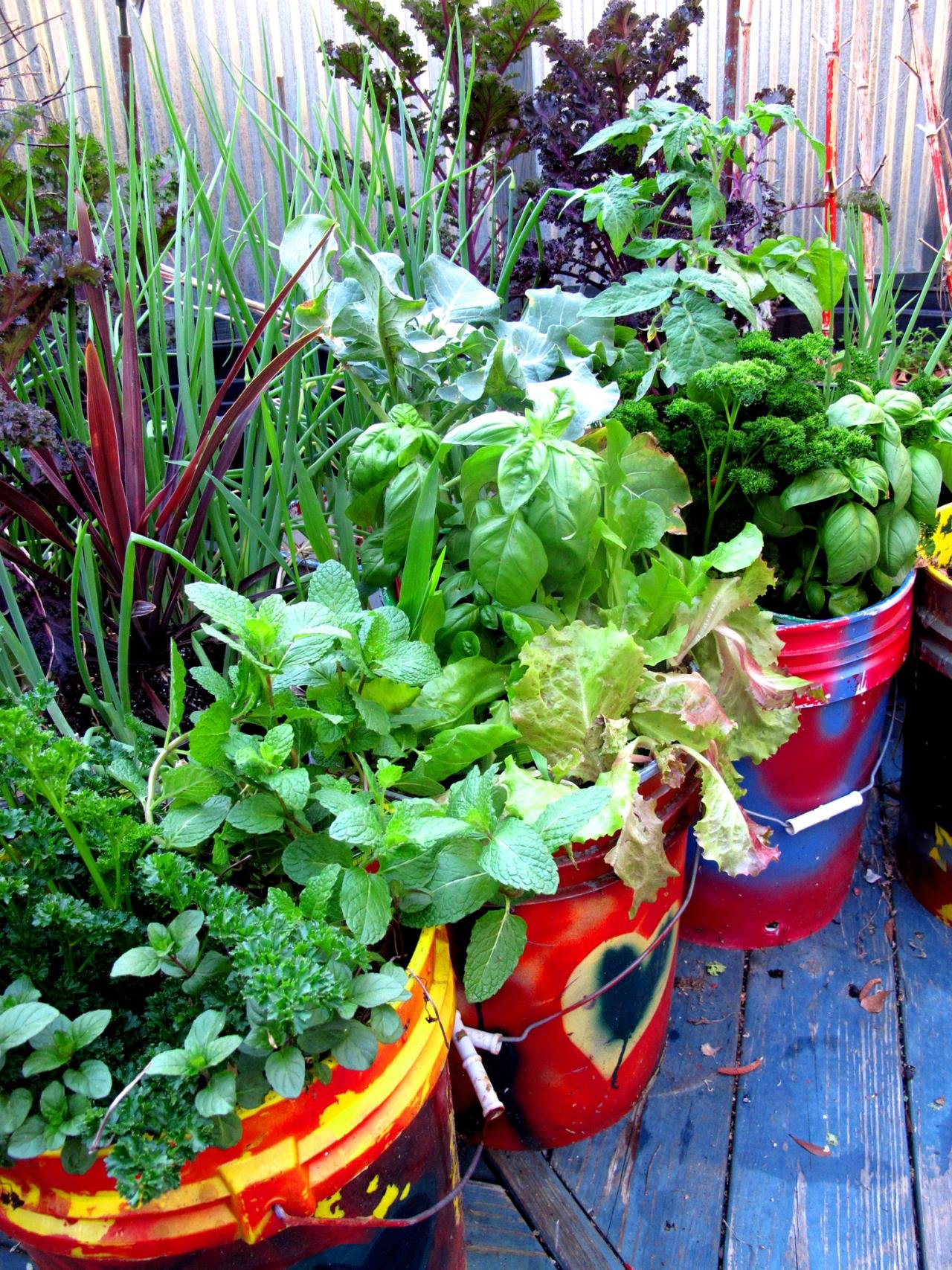
Container Guidelines:
Ensure drainage holes at the bottom
Deeper containers for fruiting plants
Shallow containers for leafy greens
Lightweight containers for balconies
💡 Tip: Always place trays under indoor pots to catch excess water.
🌱 Step 5: Soil Preparation and Composting
Healthy soil is the foundation of a successful urban farm.
Ideal Soil Mix:

40% garden soil
40% compost or well-rotted manure
20% sand, coco peat, or rice husks
This mix provides nutrients, retains moisture, and drains well.
Composting in Small Spaces:
Use kitchen scraps (vegetable peels, eggshells)
Avoid oily or cooked foods
Try vermicomposting (worms) if possible
Store compost bins under sinks or balcony corners
💧 Step 6: Watering Your Urban Farm (VERY IMPORTANT)
Watering is one of the most common challenges in urban farming. Too much water leads to root rot and pests, while too little causes wilting and poor yields.
General Watering Rules:
Water early morning or late evening
Always check soil moisture before watering
Avoid wetting leaves excessively
Ensure proper drainage
💦 Watering Schedule Table (Small-Space Urban Farming)
Plant TypeContainer SizeWatering FrequencyNotesLeafy greensSmall–medium potsDaily or every 2 daysKeep soil consistently moistHerbsSmall potsEvery 2–3 daysAvoid waterloggingTomatoesLarge pots/grow bagsDaily (hot weather)Deep watering requiredPeppersMedium–large potsEvery 2 daysReduce watering during floweringRoot vegetablesWide potsEvery 2–3 daysAvoid soggy soilIndoor plantsAnyWeeklyAdjust based on humidityHanging basketsAnyDailyDry out faster
💡 In hot climates, plants may need more frequent watering, especially in containers.
☀️ Step 7: Sunlight and Indoor Grow Lighting
Maximizing Natural Light:
Place plants near balcony edges
Rotate pots weekly
Use reflective surfaces (white walls)
Artificial Grow Lights:

LED grow lights are energy-efficient
Ideal for indoor herbs and greens
Keep lights on for 10–14 hours daily
🐛 Step 8: Eco-Friendly Pest Control for Urban Farms

Urban farms can still attract pests, especially in warm environments.
Natural Pest Control Methods:
Neem oil spray
Soapy water spray
Garlic and chili solutions
Companion planting (basil, mint, marigold)
Manual pest removal
Avoid chemical pesticides, especially on edible crops.
🌼 Step 9: Fertilizing Your Urban Farm Naturally
Container plants need extra nutrients.
Natural Fertilizers:
Compost tea
Banana peel water (potassium)
Eggshell powder (calcium)
Fish emulsion
Apply every 2–3 weeks for best growth.
✂️ Step 10: Harvesting and Continuous Planting
Harvesting correctly encourages new growth.
Harvesting Tips:
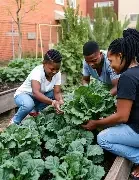
Harvest leafy greens gradually
Pick fruits when ripe
Use clean tools
Continuous Farming:
Replant after harvest
Stagger planting dates
Rotate crops to avoid soil exhaustion
🚫 Common Urban Farming Mistakes to Avoid
Overwatering
Poor drainage
Overcrowding plants
Ignoring sunlight needs
Using poor-quality soil
Starting with too many plants
Start small and expand gradually.
🌍 Benefits of Urban Farming in Small Spaces
Fresher, healthier food
Reduced food costs
Improved mental well-being
Sustainable living
Productive use of unused space
Reduced environmental impact
Urban farming empowers city residents to take control of their food supply.
🌱 Final Thoughts
Starting an urban farm in small spaces is not only possible—it’s incredibly rewarding. With thoughtful planning, proper watering, vertical gardening, and eco-friendly practices, you can transform even the smallest space into a thriving food-producing garden.
Urban farming teaches patience, responsibility, and sustainability while providing fresh produce right at your doorstep. No matter how limited your space is, there’s always room to grow.
