
DIY Balcony Gardens: Transform Your Small Space into a Green Oasis
Living in an apartment doesn’t mean you can’t enjoy the beauty and calm of a lush garden. Even the smallest balcony can be transformed into a thriving green sanctuary with the right planning and a bit of creativity. DIY balcony gardens are perfect for urban homeowners and renters who want fresh air, color, and a touch of nature without needing a large outdoor space.
Whether you're growing herbs, succulents, flowers, or vegetables, you can turn any balcony—large or tiny—into a personalized retreat. Here's a full guide to help you do that.
1. Understanding Your Balcony Conditions
Before you buy any plants or containers, spend some time observing your balcony.
Sunlight
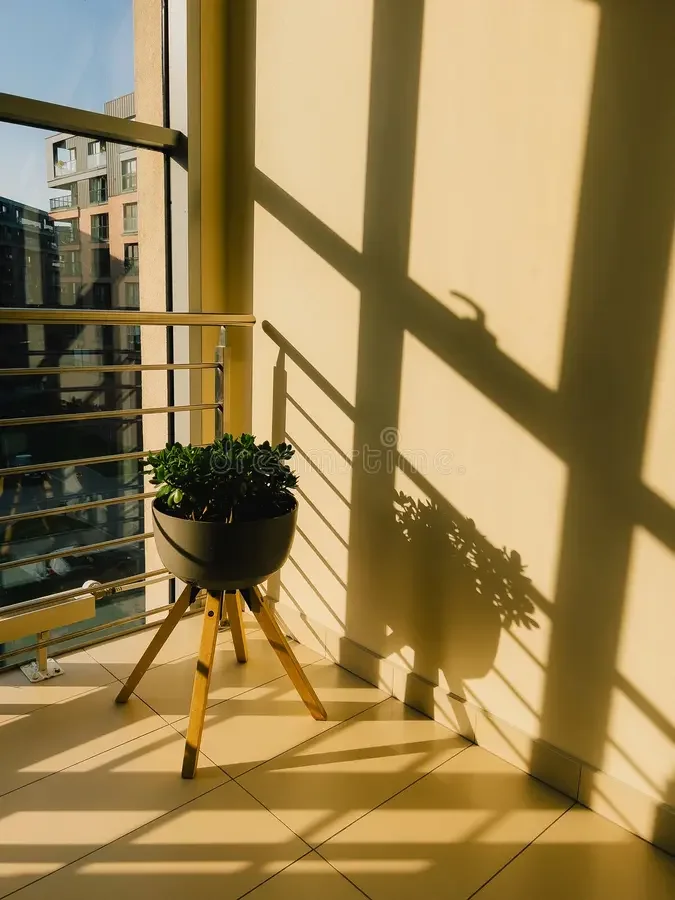
Different plants need different amounts of sun.
Full sun (6+ hours/day): Great for herbs, tomatoes, peppers.
Partial sun (3–5 hours/day): Suitable for leafy greens, ferns.
Low light: Perfect for shade-loving plants like snake plants or pothos.
Wind Exposure
High-rise balconies may experience strong winds. Choose heavier pots or add stones at the bottom to reduce tipping.
Space & Layout
Measure floor space, railing width, and wall height. This helps you plan shelves, vertical gardens, hanging baskets, and seating areas without overcrowding.
2. Choosing the Right Plants for Balconies
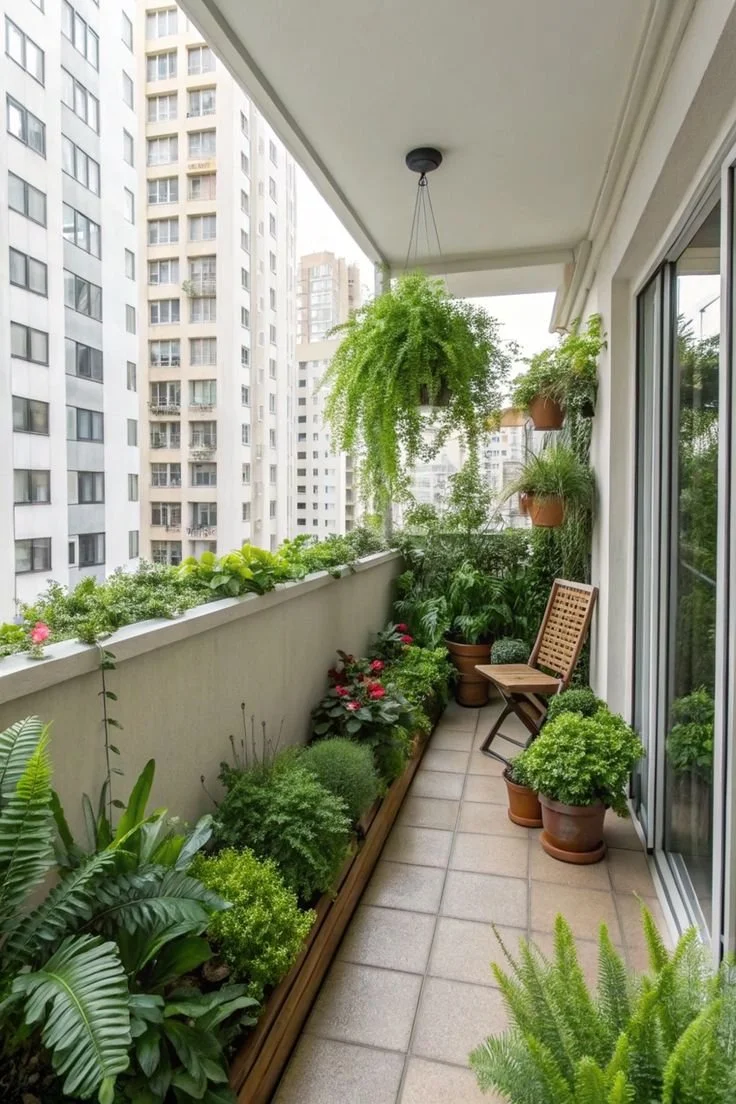
The best plants for balconies are hardy, low-maintenance, and adaptable to varying conditions. A few favorites:
Herbs
Basil
Rosemary
Mint
Parsley
Coriander
Great for cooking, fast-growing, and perfect for sunny spaces.
Flowers
Petunias
Marigolds
Geraniums
Lavender
Ideal for color, fragrance, and attracting pollinators.
Vegetables & Edibles
Tomatoes
Peppers
Spring onions
Spinach
Strawberries
Compact and container-friendly.
Low-Maintenance Greens
Snake plant
Spider plant
ZZ plant
Pothos
Perfect for balconies with limited sunlight.
3. Vertical and Hanging Gardens
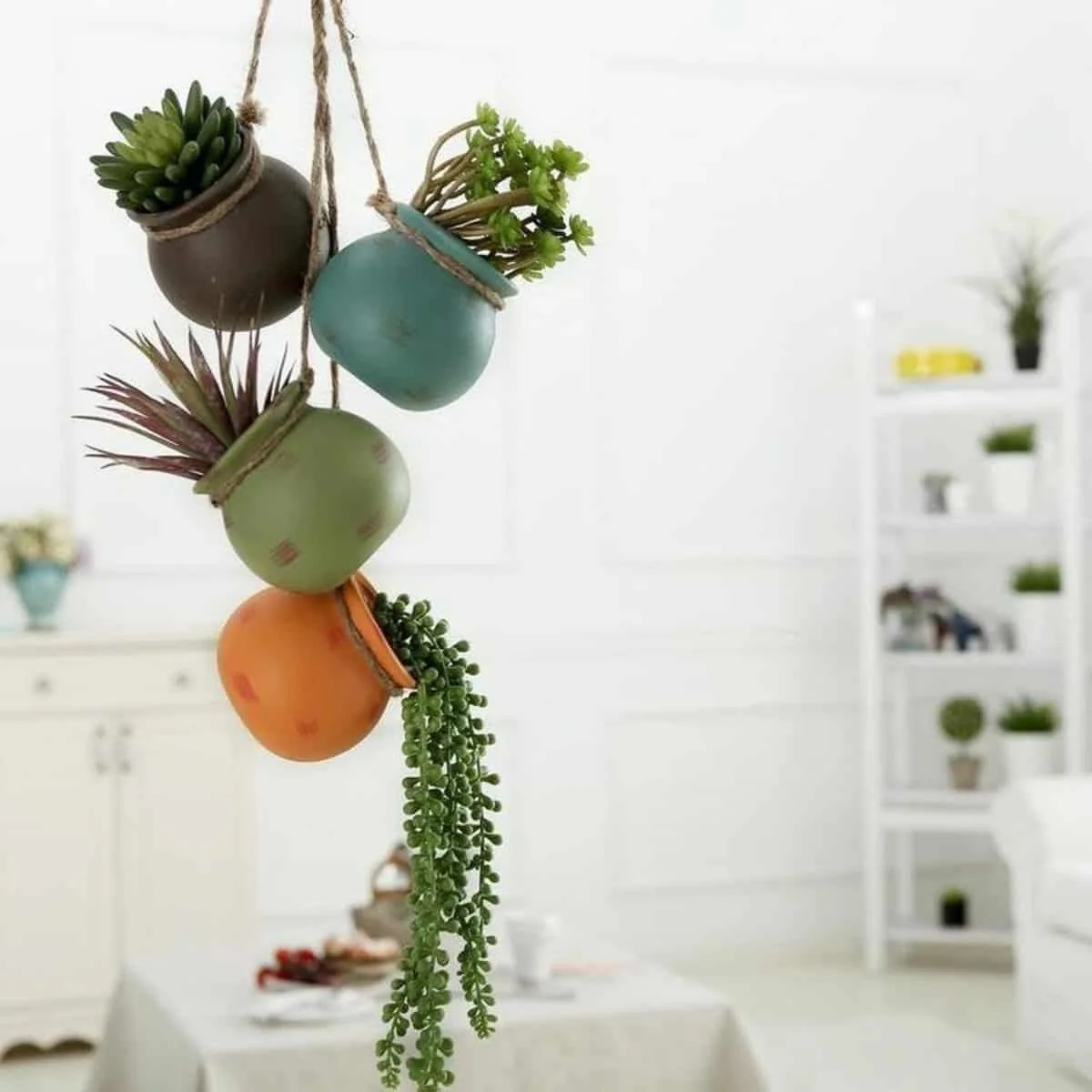
Maximizing space is essential for small balconies, and vertical gardening allows you to grow more with less. It also adds a beautiful layered look to your space.
Wall-Mounted Planters & Shelves
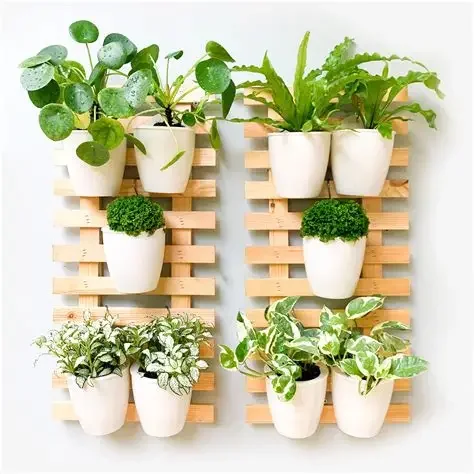
Mount planters or floating shelves to your balcony wall. Use them for herbs, succulents, decorative pots, or flowers. This frees up your floor and creates a striking green wall effect.
Hanging Pots & Macrame Holders
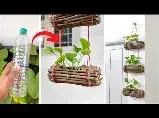
Hanging pots add a gentle, flowing aesthetic—great for trailing plants like ivy or string of pearls. Macrame holders bring a boho vibe to your balcony décor.
Pallet Gardens (Perfect for Upcycling)
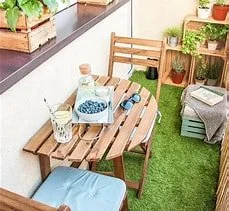
Recycled wooden pallets are budget-friendly and stylish.
Attach a pallet to the wall.
Fill it with small pots or built-in slots.
Grow herbs, flowers, or leafy greens.
Upcycled Containers
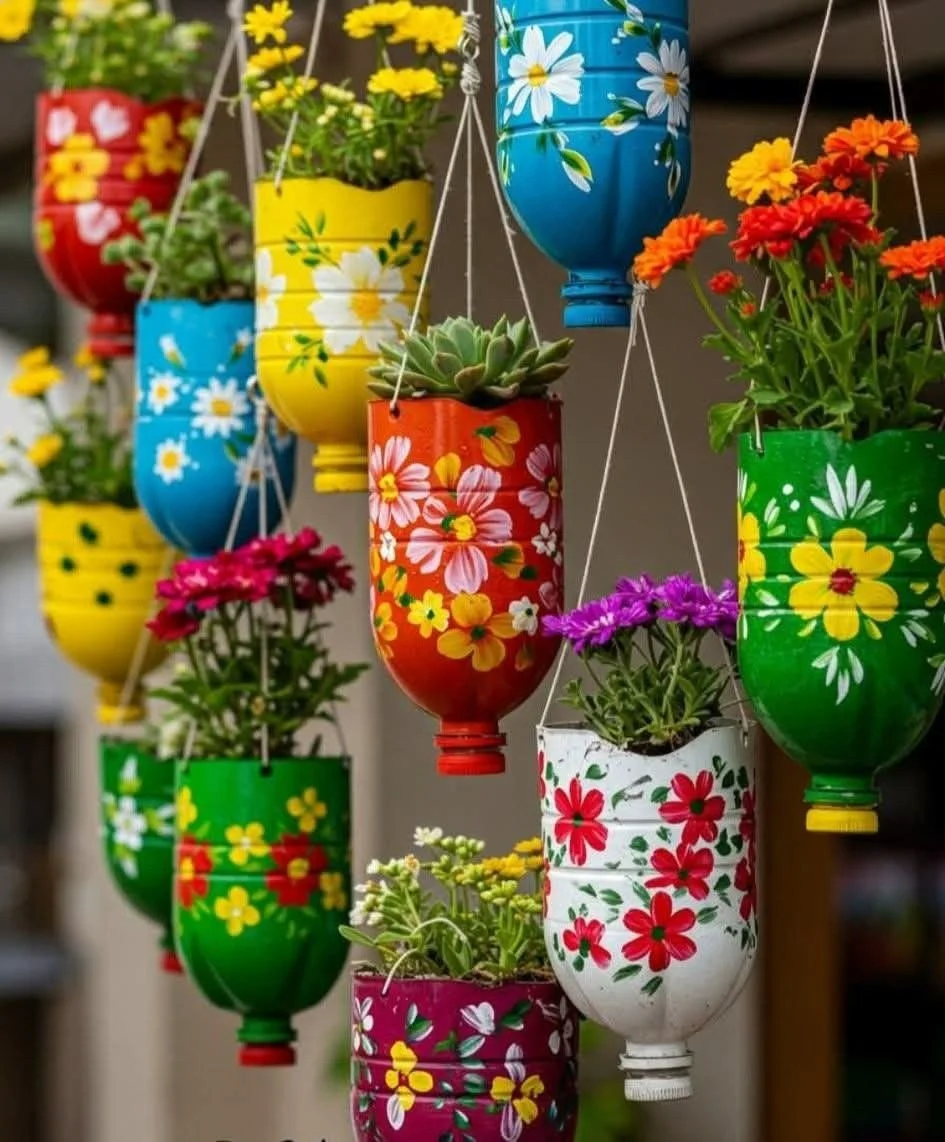
Old items make great planters—just ensure they have drainage holes.
Try:
Buckets
Tea tins
Wooden crates
Metal cans
Plastic tubs
These add personality, save money, and reduce waste.
4. Smart Container Gardening
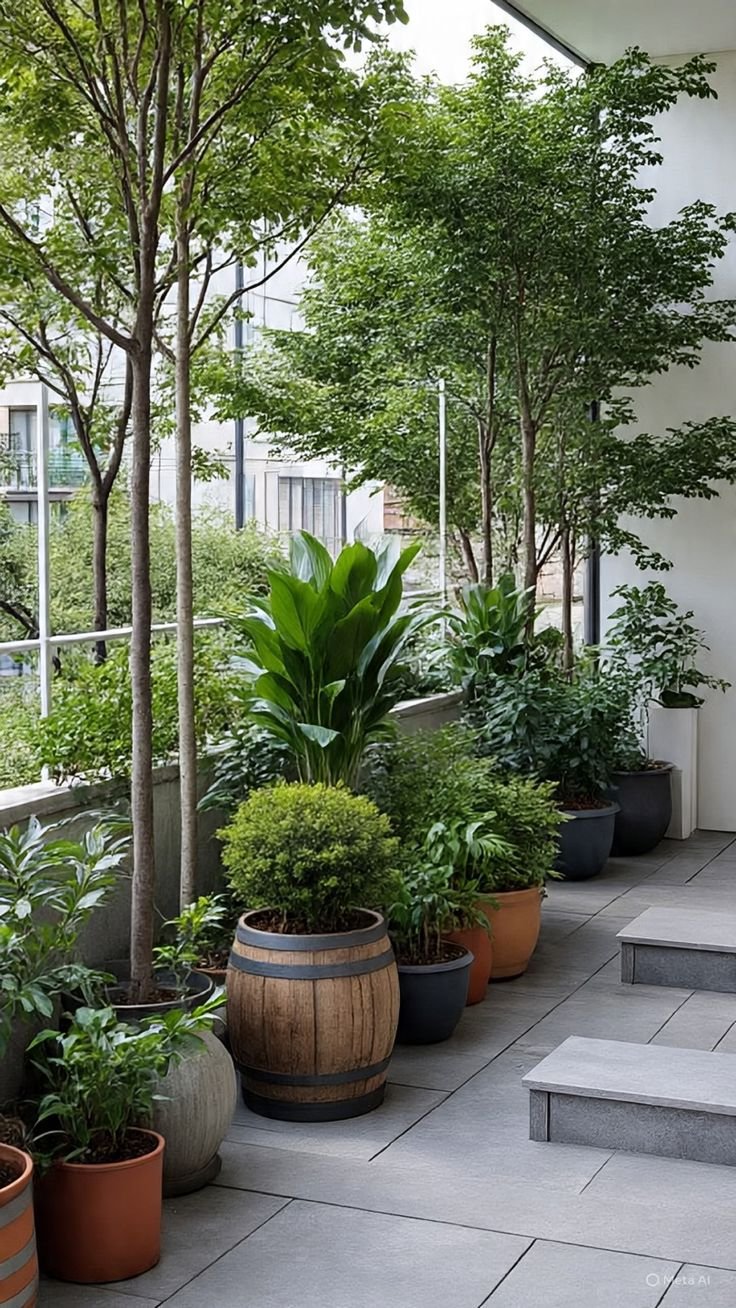
Containers are the backbone of balcony gardens.
Choose pots based on plant size, root depth, and style.
Types of Containers
Terracotta: Breathable but dries fast—good for succulents.
Ceramic: Stylish and heavy, great for windy balconies.
Plastic: Lightweight and affordable.
Fabric grow bags: Ideal for vegetables and deep-rooted plants.
Drainage Is Key
Plants die quickly from waterlogging. Ensure each container has drainage holes.
Place saucers under the pots to protect your floor from water stains.
Soil Mix
Use high-quality potting mix, not regular garden soil.
Potting mix:
Holds moisture
Improves drainage
Promotes root growth
5. Creating a Relaxing Balcony Layout
A garden is more than plants—it should be a space to unwind.
Seating
Choose foldable chairs, a small bench, or a floor cushion.
Use waterproof cushions for durability.
Zoning
Divide your balcony into:
Plant zone (pots, stands, racks)
Relaxation zone (chair + table)
Décor zone (lights, art, rug)
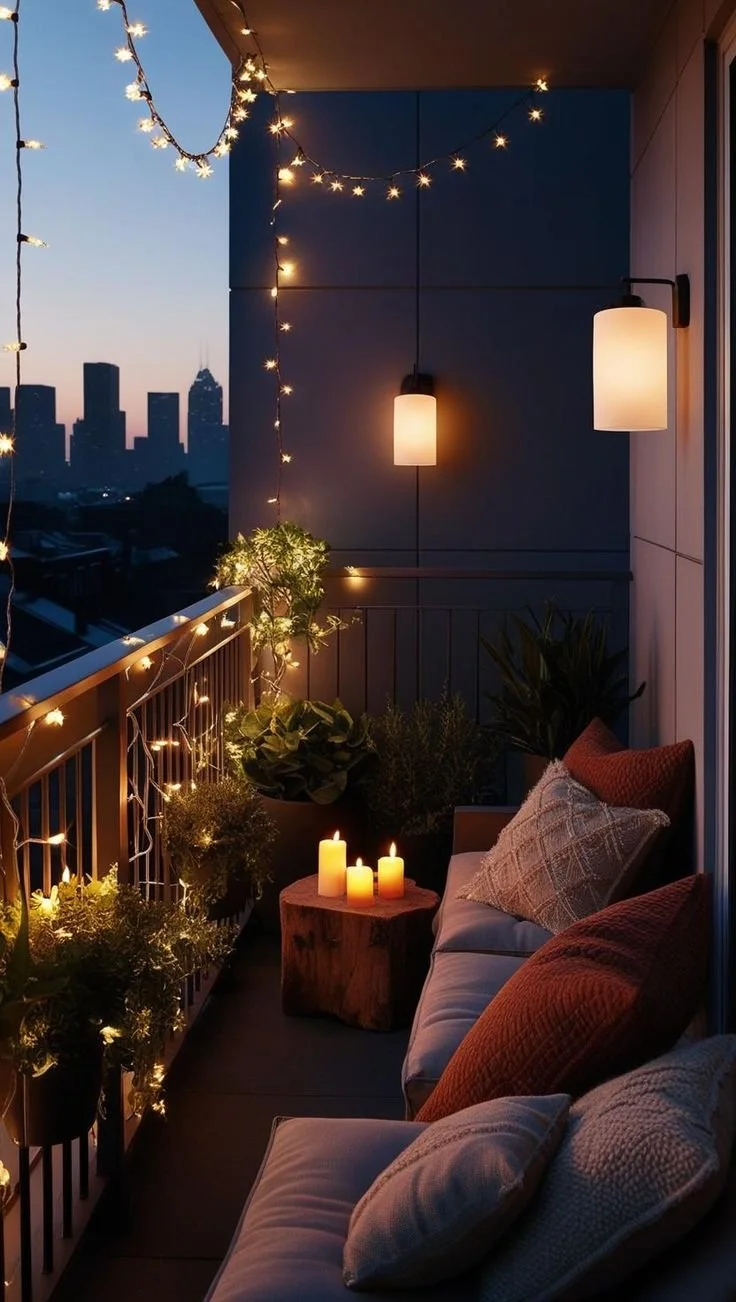
Lighting
Warm string lights or solar lanterns make evenings magical.
6. DIY Décor Elements
DIY décor brings charm and personality.
Wooden Crates as Shelves
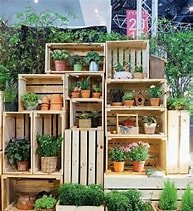
Stack wooden crates to create inexpensive storage for plants.
A Small Outdoor Rug
Adds color and defines the seating area.
Pebbles or Artificial Grass
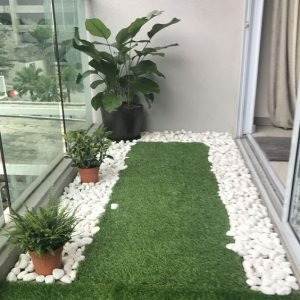
Gives your balcony a polished, natural feel.
7. Watering, Maintenance & Care
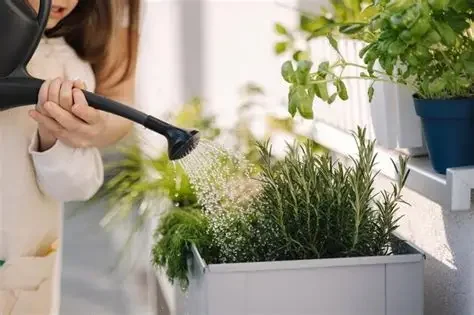
Routine care keeps your balcony garden thriving.
Watering Tips
Water in the early morning or evening.
Group plants with similar water needs.
Consider self-watering pots for busy schedules.
Pruning
Remove dead leaves and spent flowers weekly to encourage new growth.
Fertilizing
Use organic fertilizer every 3–4 weeks during the growing season.
Pest Control
Choose eco-friendly options like:
Neem oil
Garlic spray
Soapy water mist
These are safe for children, pets, and edible plants.
8. Balcony Gardening Safety Tips
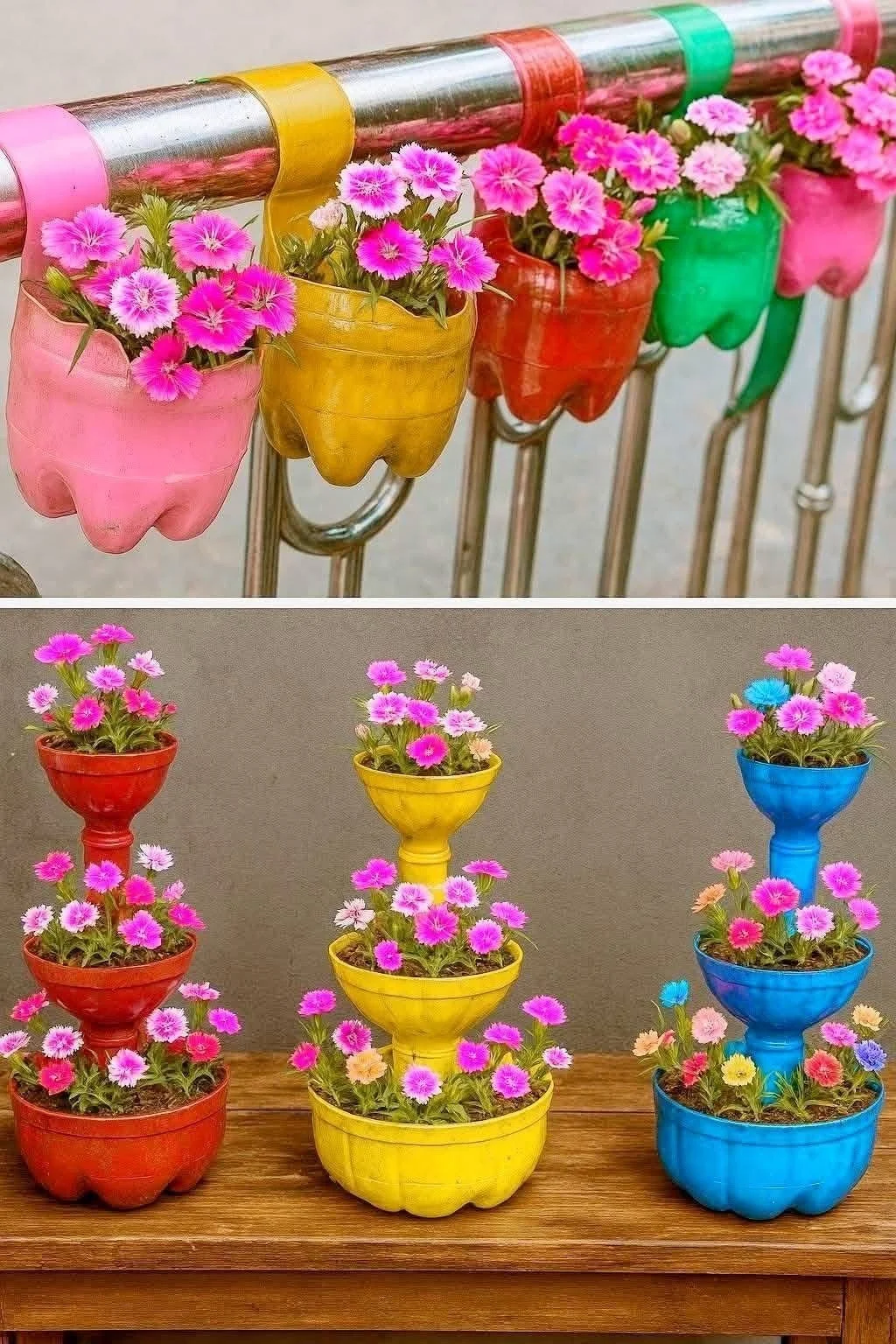
Avoid overloading railings with heavy pots.
Secure hanging items properly.
Check building regulations before attaching anything permanent.
Keep walkways clear to prevent accidents.
Conclusion: Your Dream Balcony Garden Awaits
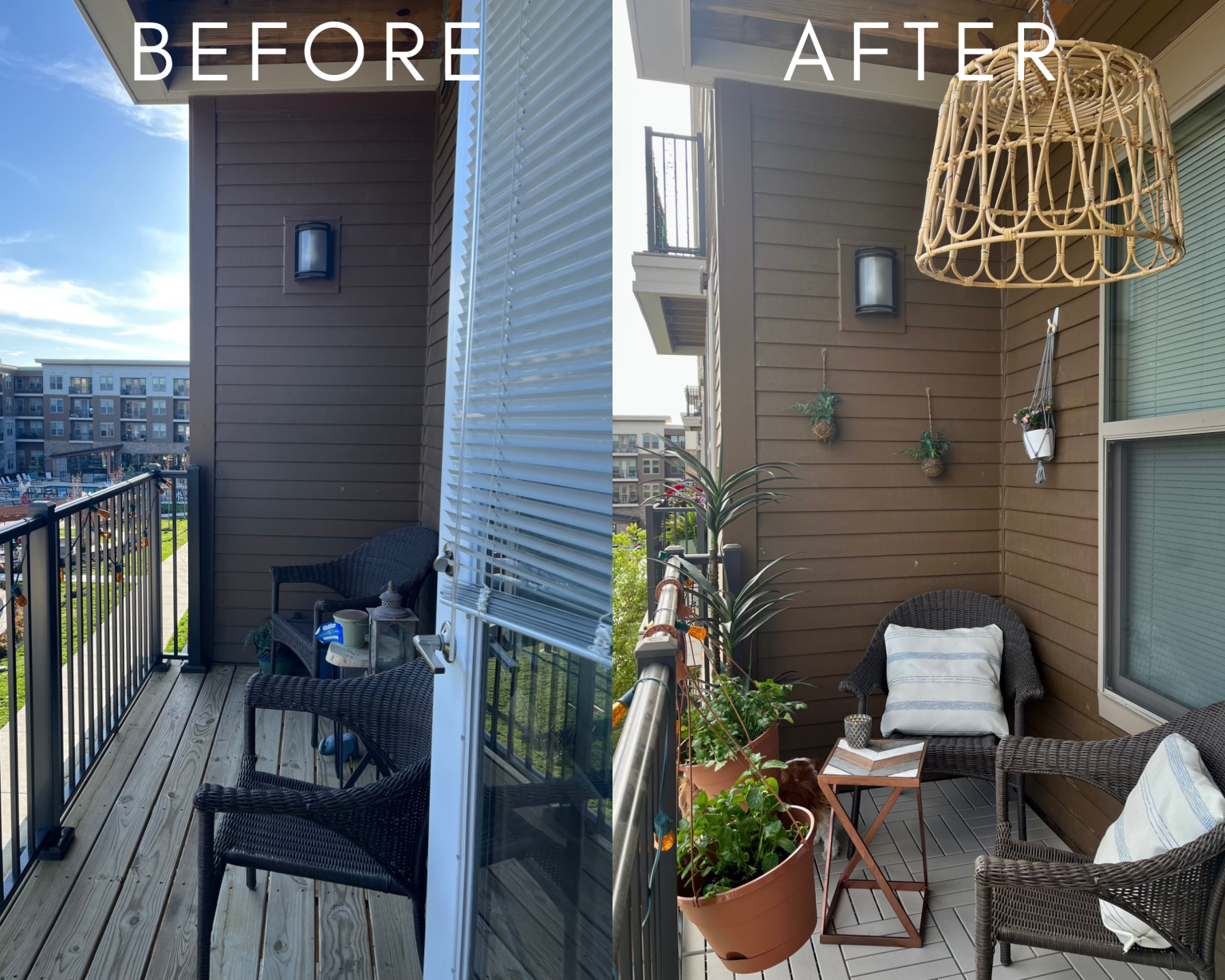
No matter the size of your balcony, you can create a peaceful and vibrant garden with just a few DIY tips. From vertical gardens to upcycled planters, smart layouts, cozy seating, and low-maintenance plants, your space can become a private green escape that improves air quality, reduces stress, and boosts your overall well-being.
With creativity and the right tools, your balcony can become the mini oasis you’ve always dreamed of—right outside your door.
