
The Secret to Keeping Indoor Plants Thriving in Coastal Climates
The Challenge of Coastal Living

Coastal regions like Mombasa or Malindi offer scenic beauty and ocean air—but also heat, humidity, and salt that can stress indoor plants. Knowing how to balance these conditions is key to success.
How Coastal Conditions Affect Plants
Humidity: Promotes fungal growth if airflow is poor.
Salt air: Can leave residue on leaves and soil.
Heat: Speeds up water evaporation, drying soil faster.
By adjusting your watering, cleaning, and plant selection, you can keep your plants healthy even near the sea.
Best Plants for Coastal Regions
Choose tropical or humidity-loving varieties:
Tropical Foliage Plants
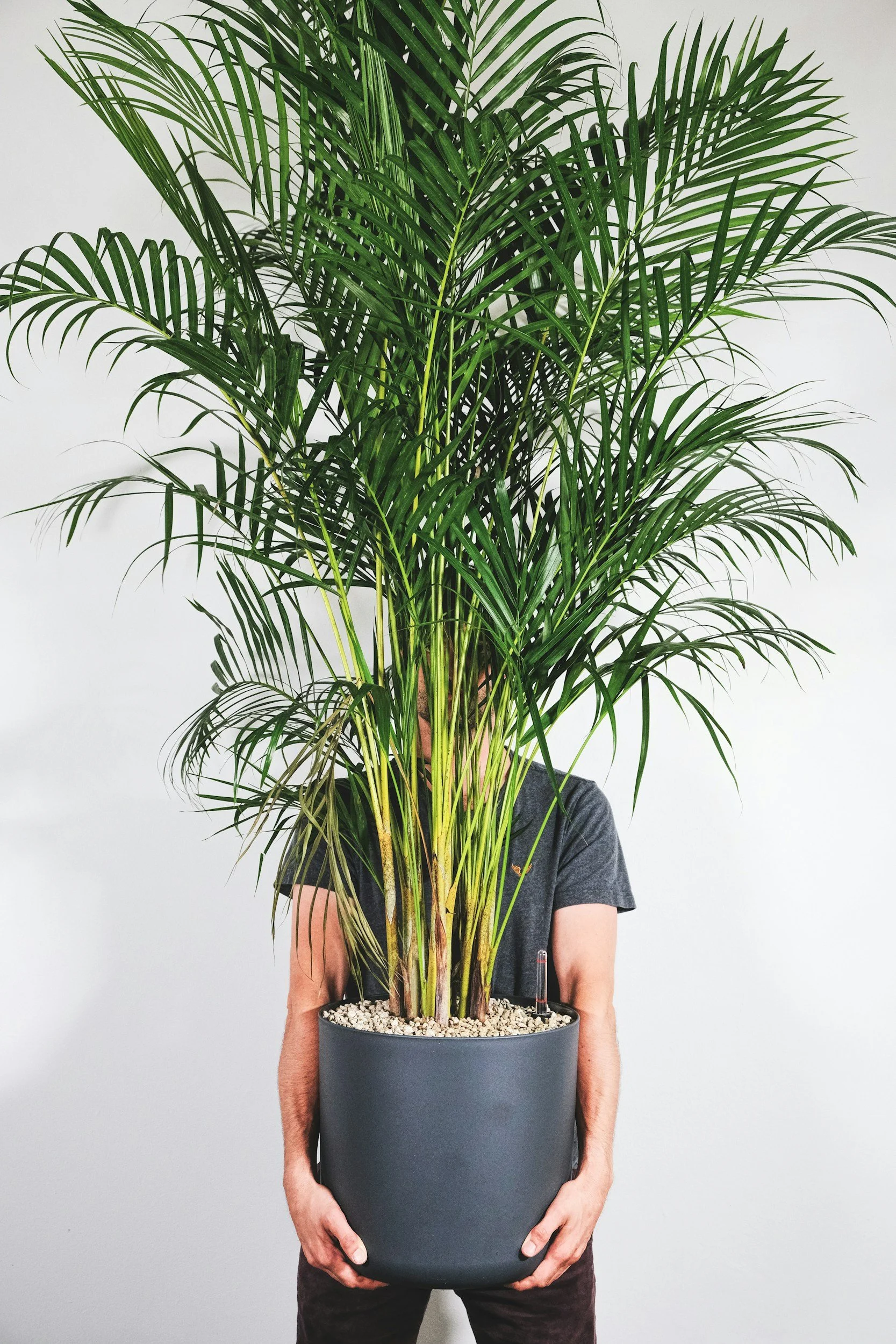
1. Areca Palm (Dypsis lutescens)
Loves humidity, thrives in bright indirect light, and adds instant tropical charm. It also helps remove toxins from the air.
Why it’s perfect: Naturally found in humid regions, it tolerates moisture and salt well.
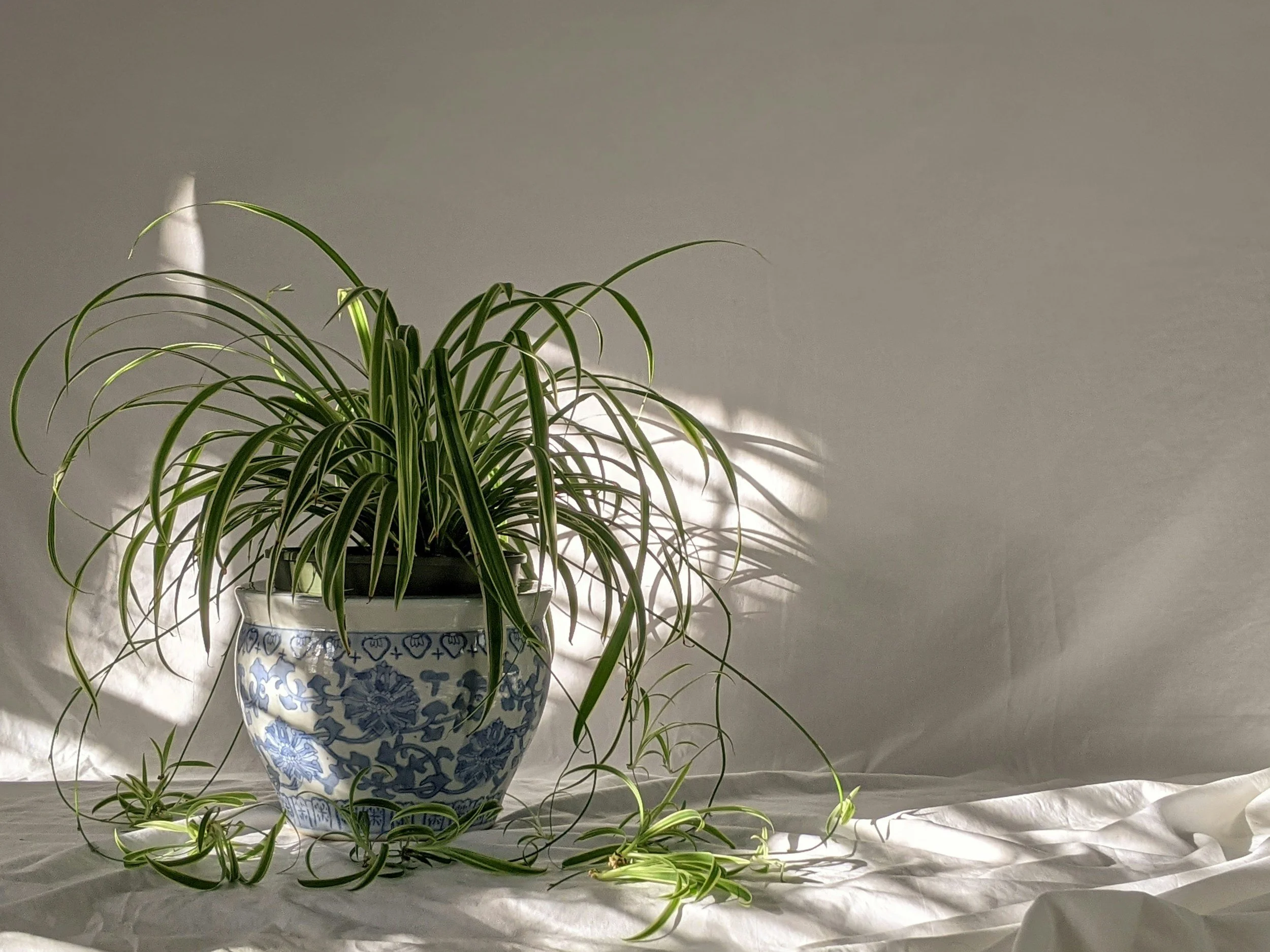
8. Spider Plant (Chlorophytum comosum)
Adaptable, fast-growing, and great in hanging pots. Handles salty air and filters indoor pollutants.
Why it’s perfect: Flexible growth pattern makes it ideal for coastal apartments with varying light.
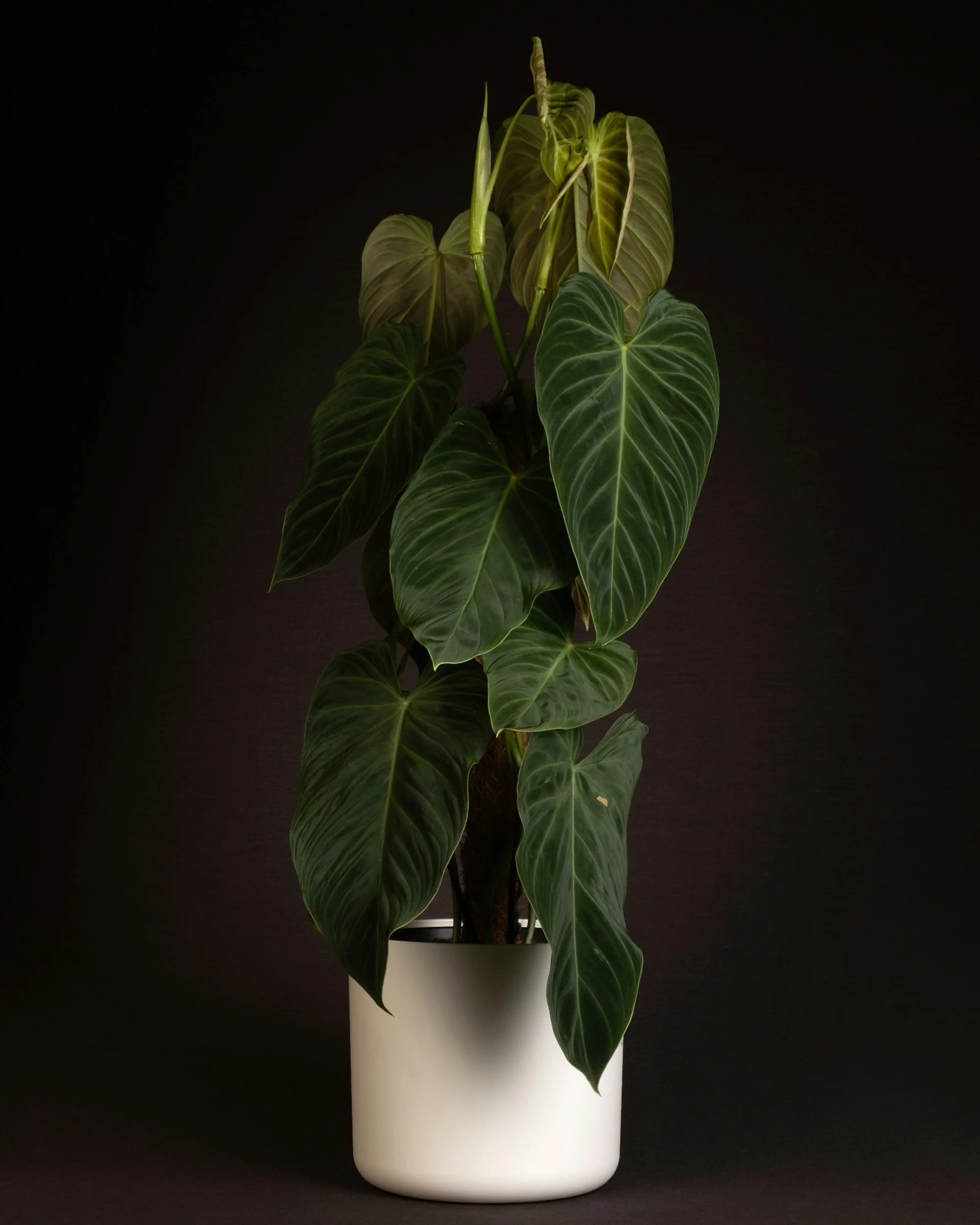
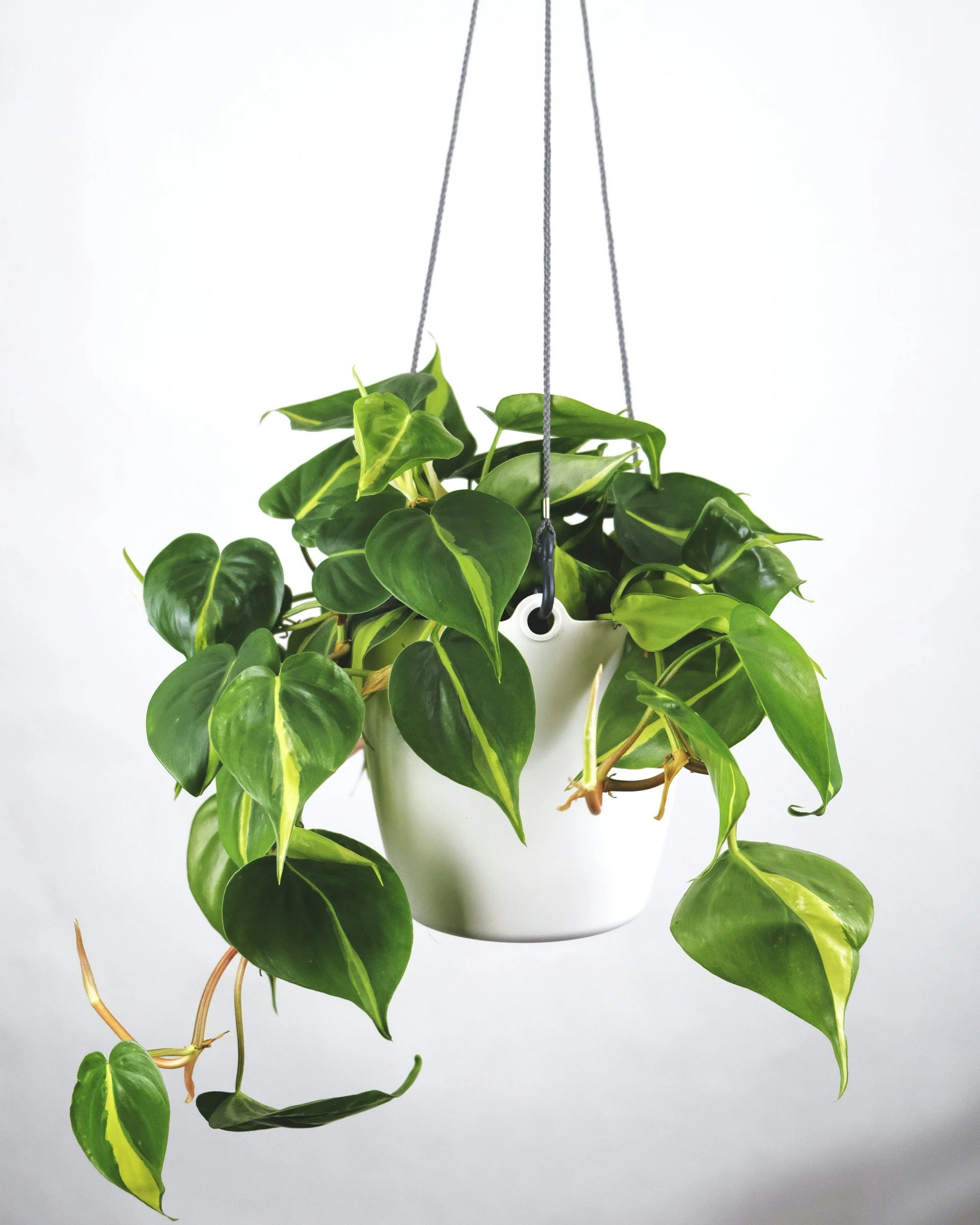
2. Philodendron (Heartleaf or Selloum)
Ideal for indoor spaces, this plant is low-maintenance, thrives in warm, humid conditions, and grows quickly. Large-leaf varieties enhance interiors with a lush, tropical ambiance. Its thick, moisture-retaining leaves make it well-suited to humid environments, combining practicality with aesthetic appeal.
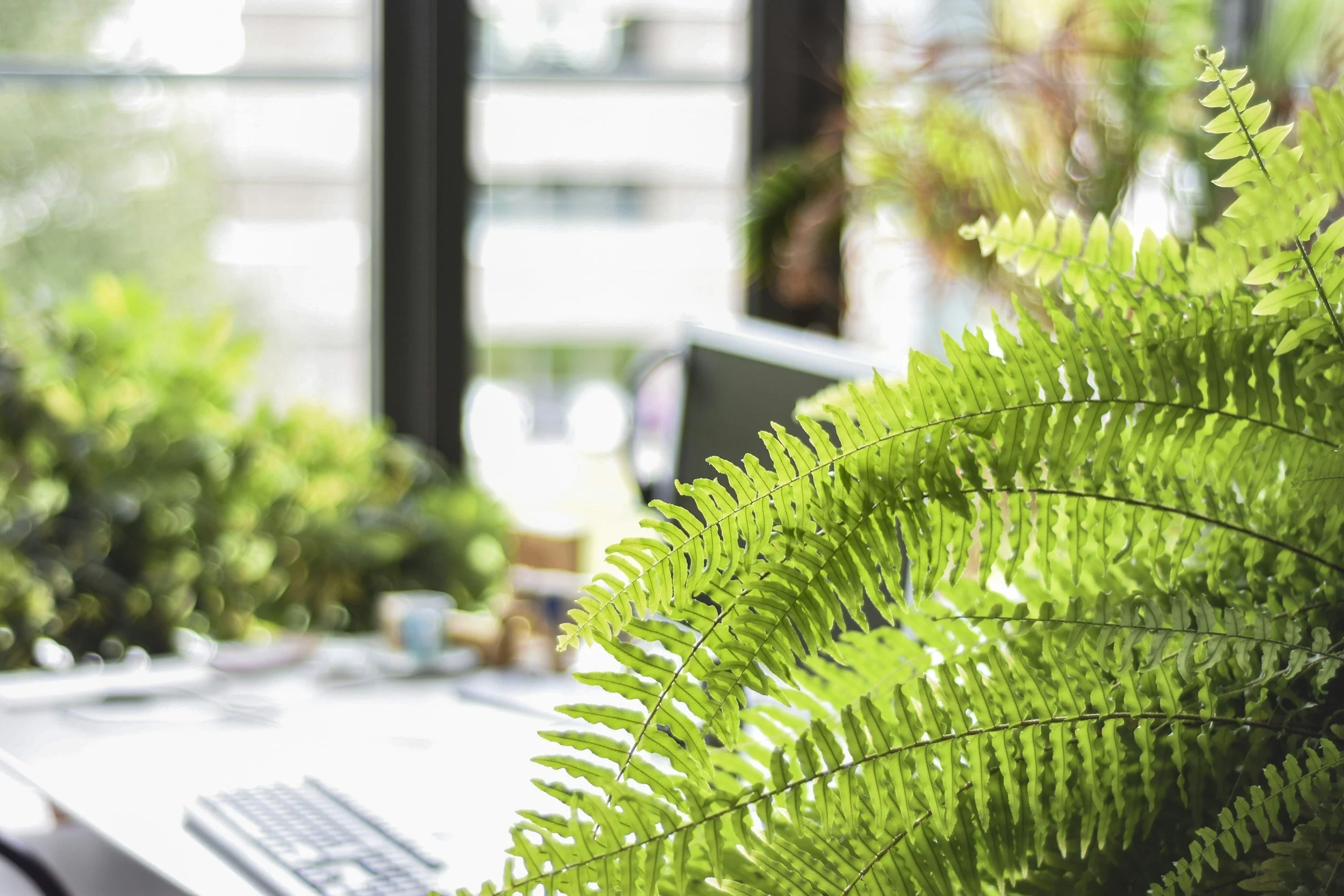
The Boston Fern is an excellent choice for adding greenery to your home, especially in spaces with lower light levels. Its lush, feathery fronds thrive in humid environments, making it ideal for bathrooms where moisture levels are naturally higher. Additionally, it performs well on shaded balconies, offering a touch of nature without requiring direct sunlight. With proper care, the Boston Fern can bring life and beauty to these often-overlooked areas of your living space.
9. Pothos (Epipremnum aureum)
Thrives in any light condition and loves warm, moist air. Trails beautifully from shelves and hanging baskets.
Why it’s perfect: Tolerant to humidity, inconsistent watering, and salt residue when wiped regularly.
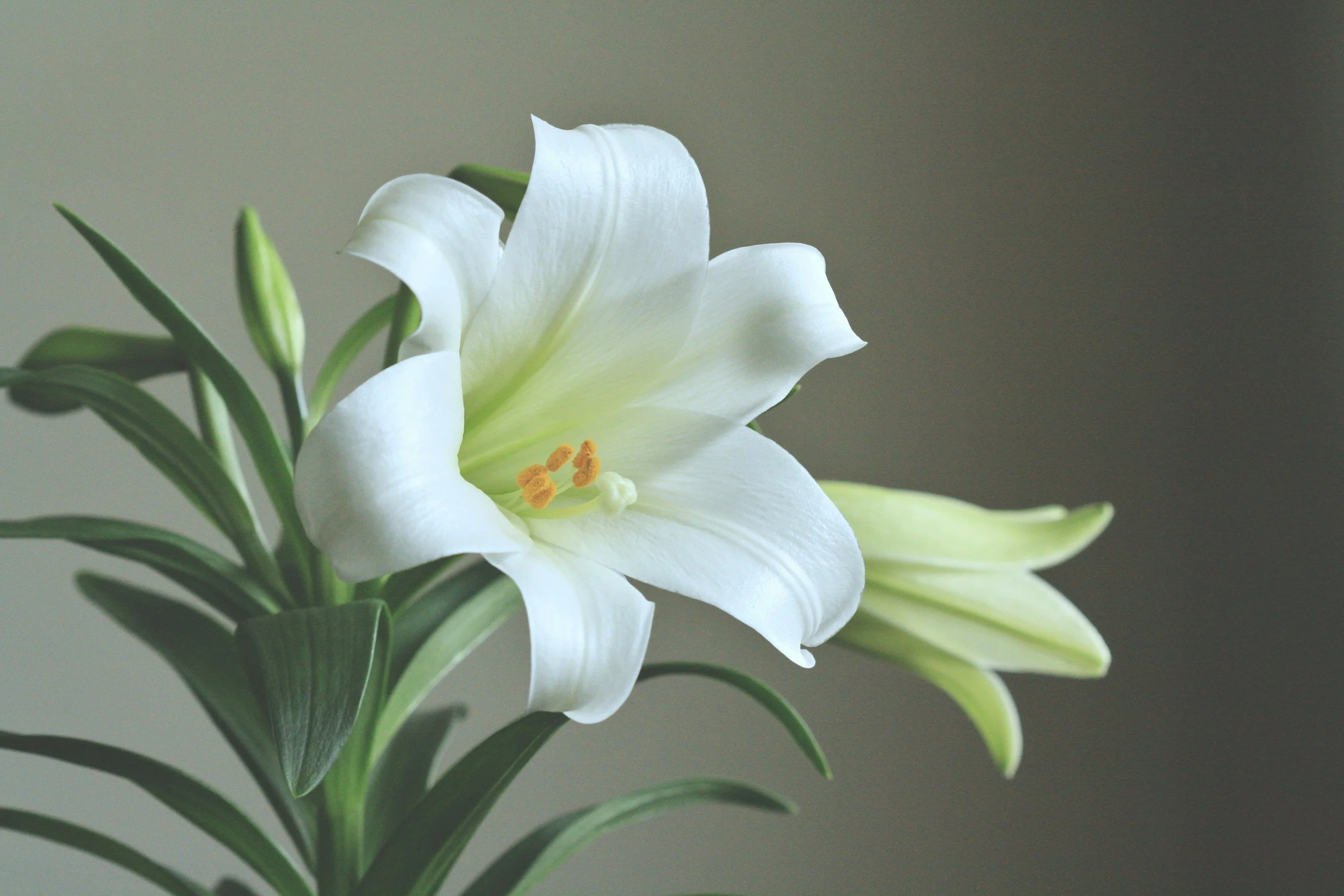
Peace Lily (Spathiphyllum wallisii)
Elegant and forgiving, it thrives in moderate light and high humidity. The glossy leaves resist salt buildup when wiped regularly.
Why it’s perfect: Its tropical origin makes it naturally adapted to warm, moist climates.4. Dieffenbachia (Dumb Cane)
Beautiful variegated leaves and an easy temperament. Does well in humid, shaded corners.
Why it’s perfect: Humidity keeps its broad leaves glossy and full, and it tolerates occasional salt exposure.
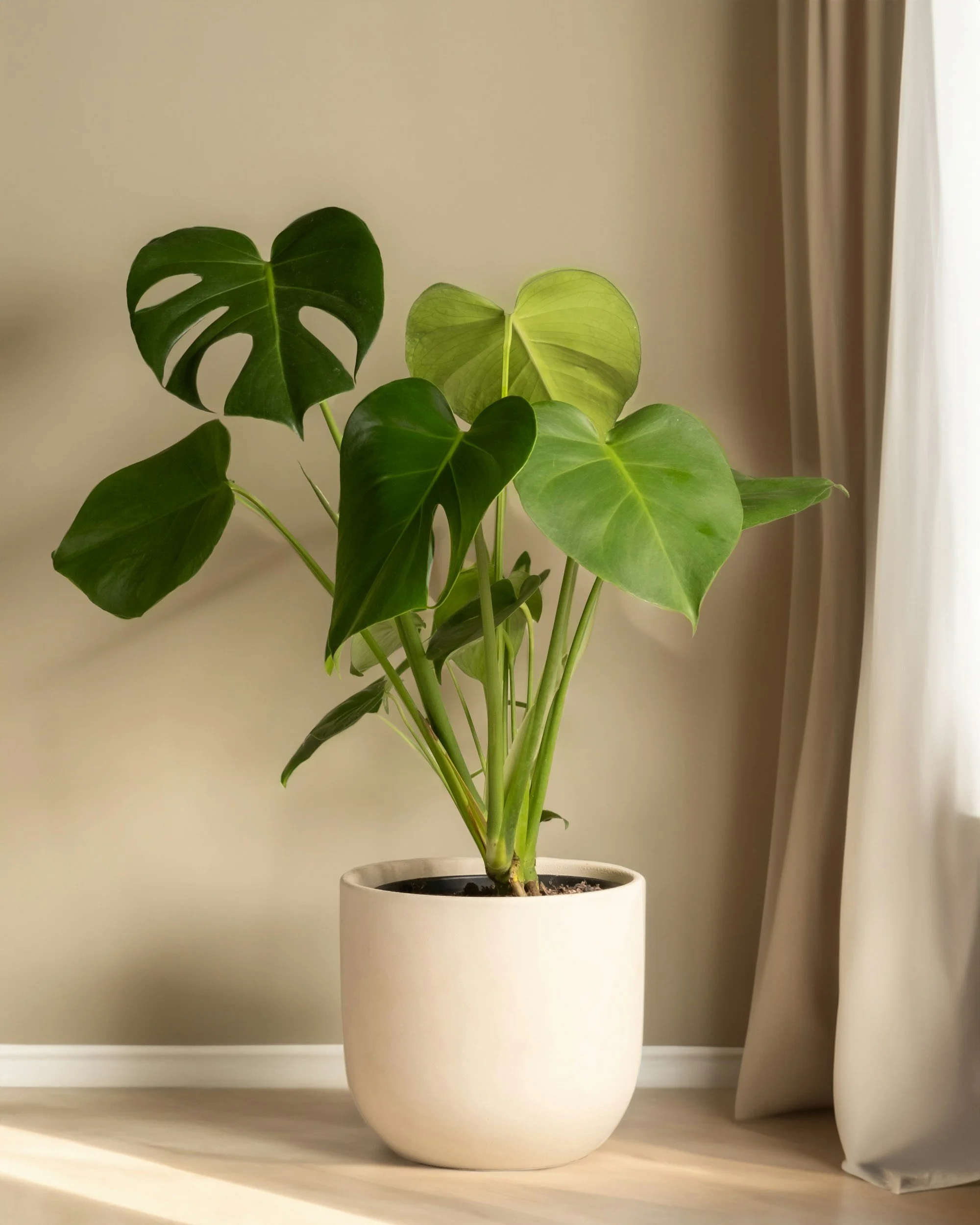
5. Monstera Deliciosa (Swiss Cheese Plant)
An Instagram favorite for a reason. Monstera loves bright, indirect light and thrives in humid air.
Why it’s perfect: Its large, fenestrated leaves absorb humidity and adapt easily to coastal warmth.
🌿 Air-Purifying & Hardy Plants
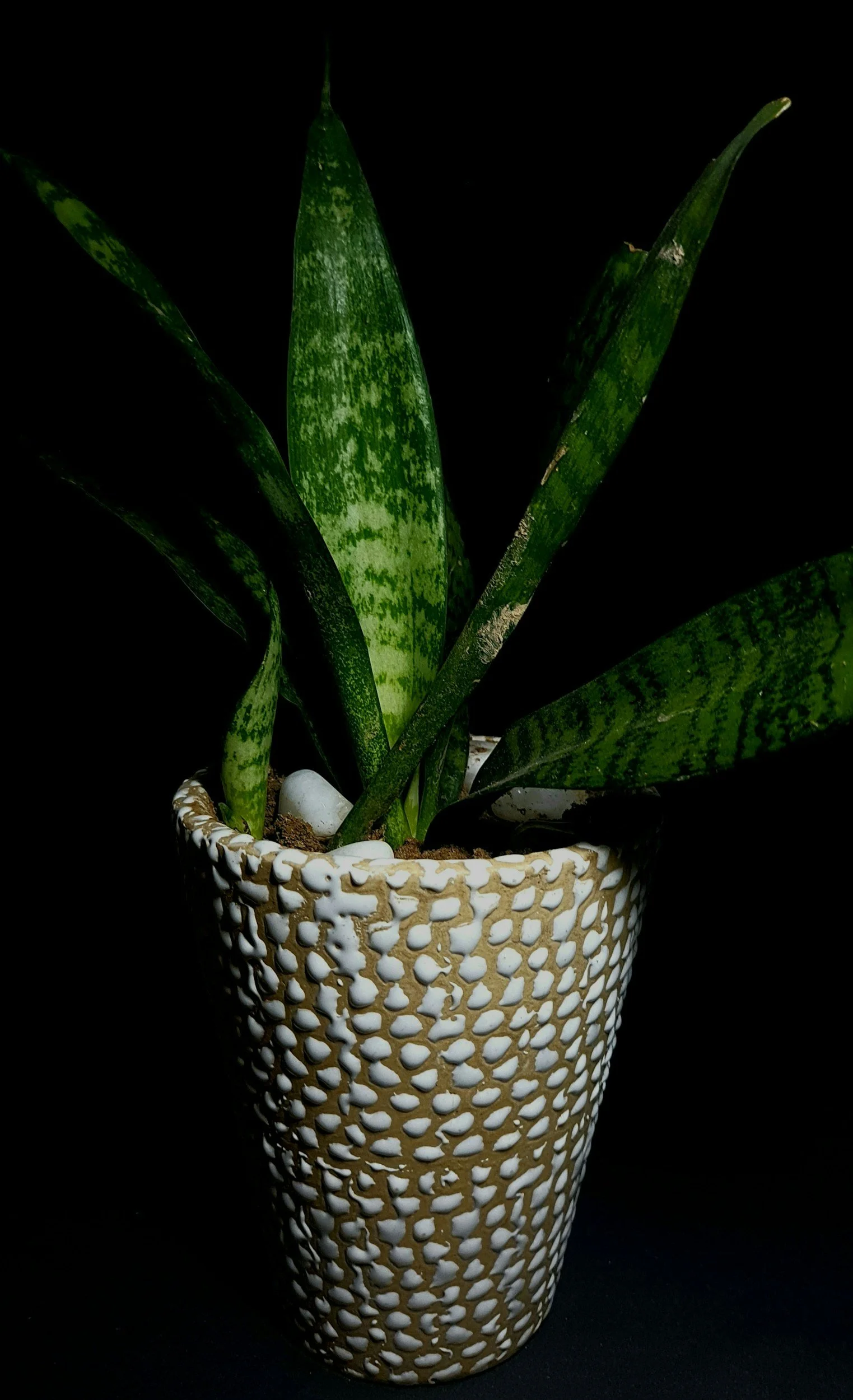
6. Snake Plant (Sansevieria trifasciata)
Virtually indestructible—handles neglect, low water, and salt air. Its upright leaves suit modern interiors.
Why it’s perfect: Thick, waxy leaves prevent salt damage and conserve water efficiently.
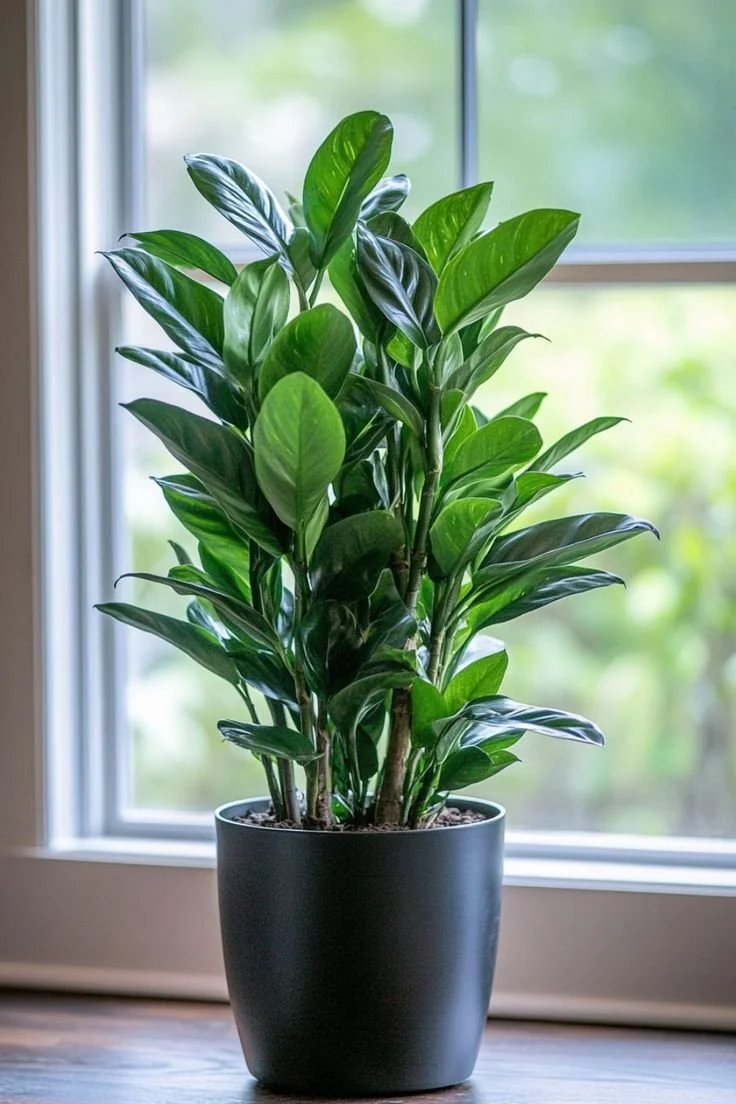
7. ZZ Plant (Zamioculcas zamiifolia)
Shiny, deep-green foliage that thrives in humidity and shade. Requires watering only once every two weeks.
Why it’s perfect: Stores water in its rhizomes, making it drought- and humidity-tolerant.
🌺 Flowering & Colorful Plants
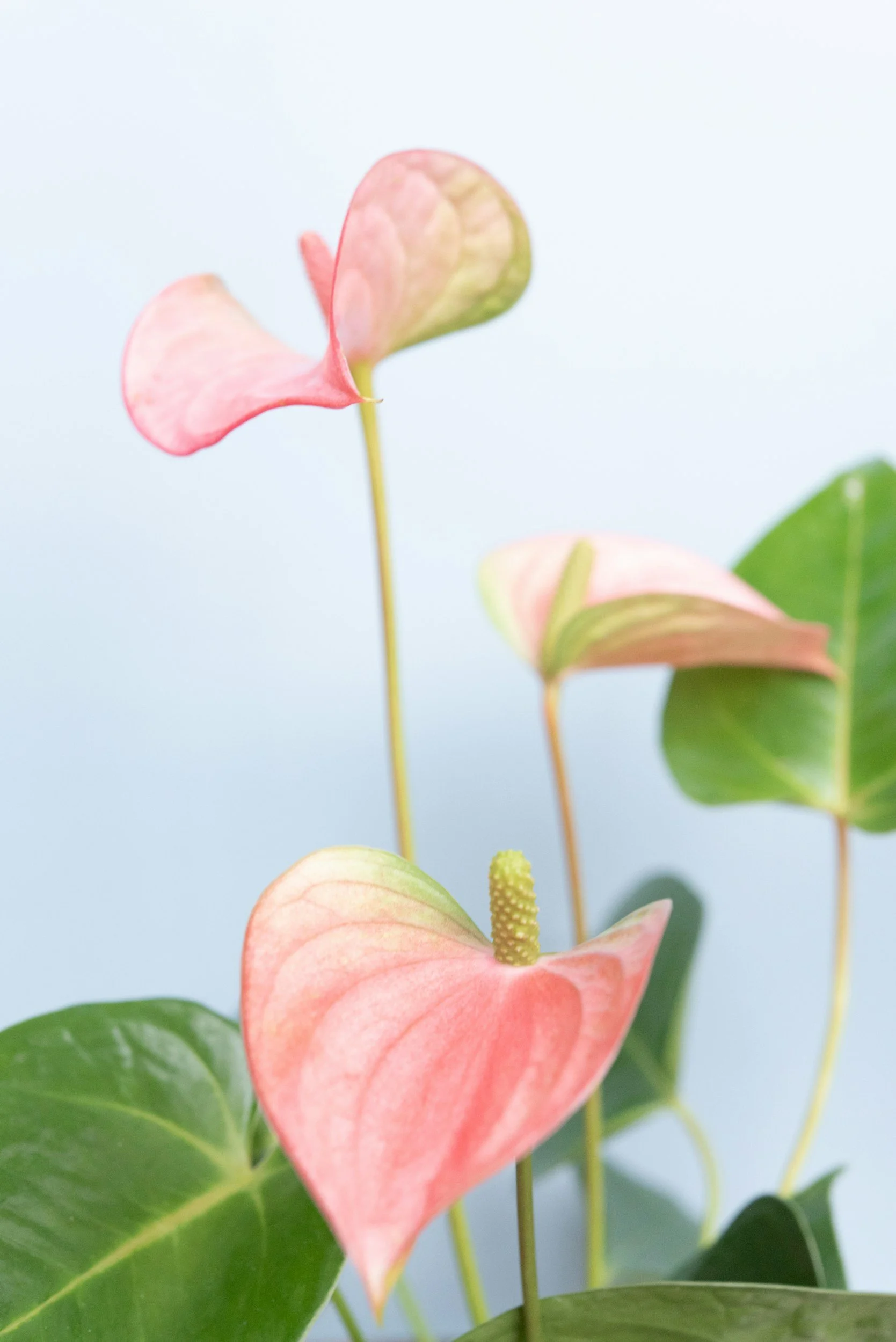
10. Anthurium (Flamingo Flower)
Produces long-lasting red, pink, or white blooms. Loves warmth and humidity—perfect for coastal homes.
Why it’s perfect: Native to rainforests, it thrives in Mombasa’s tropical environment
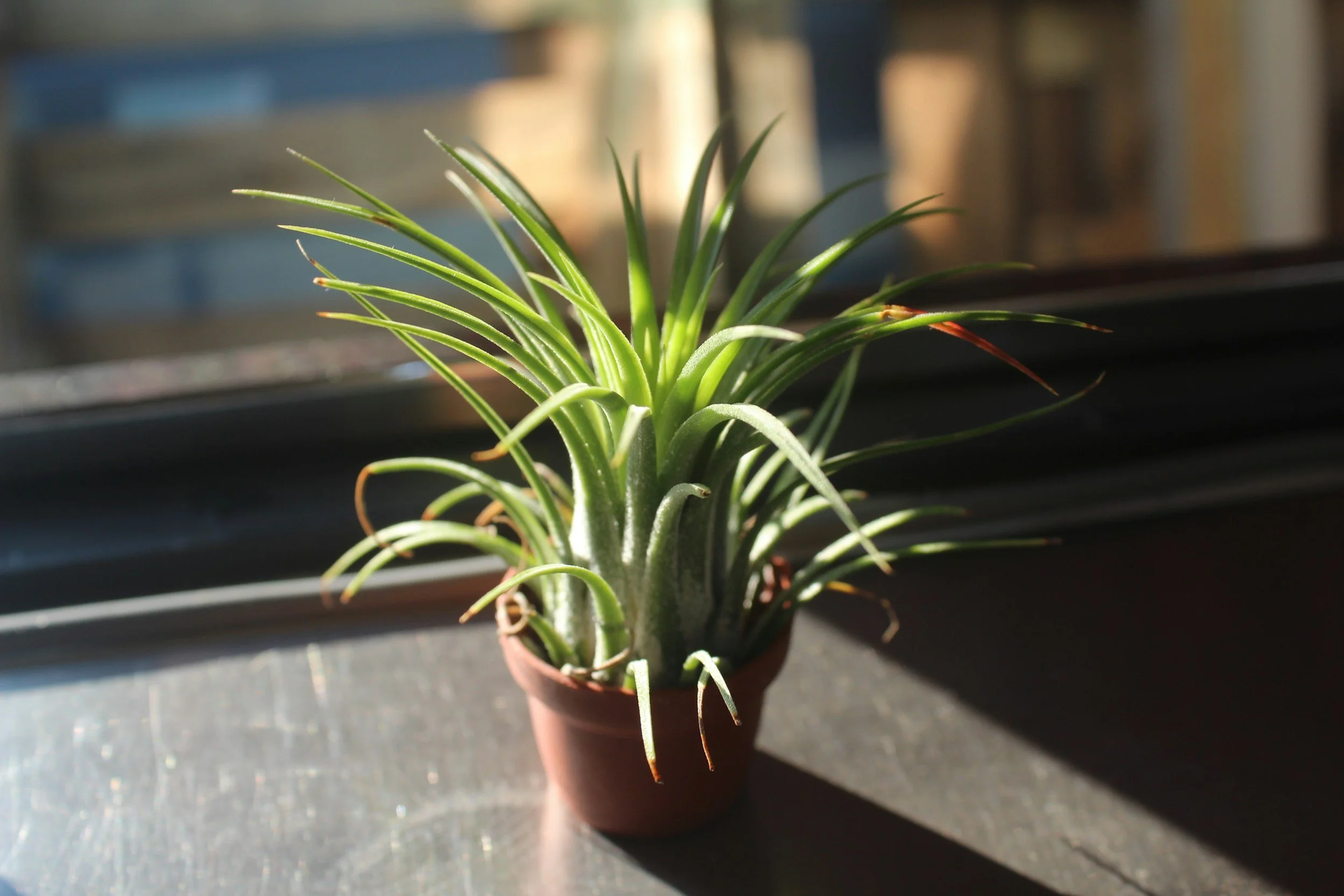
11. Bromeliads
Eye-catching and colorful, bromeliads handle humidity and bright light easily. Many varieties flower in brilliant reds and yellows.
Why it’s perfect: Naturally epiphytic—draws water from the air, not the soil, so humidity helps it thrive.
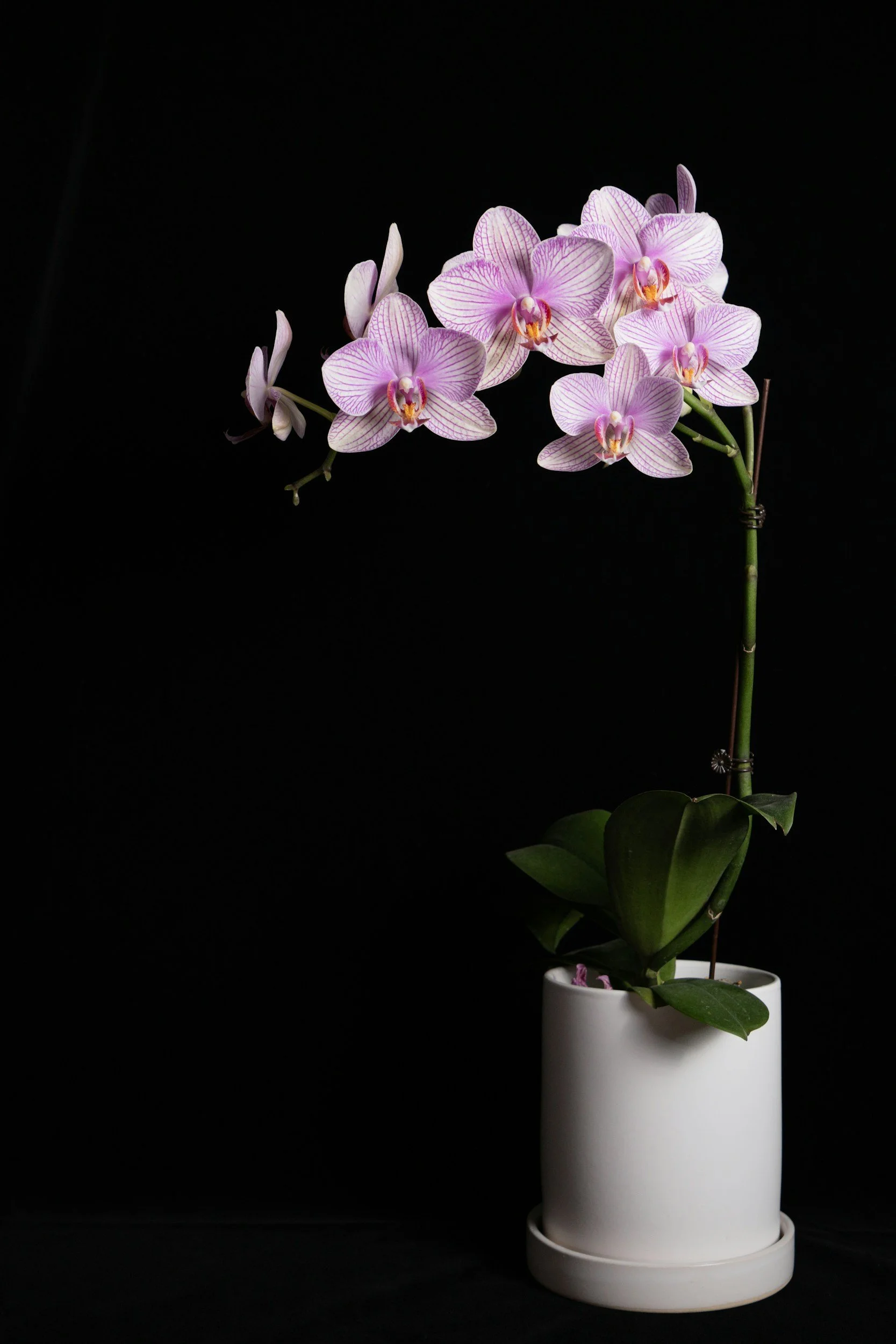
12. Orchids (Phalaenopsis or Dendrobium)
Elegant and exotic, orchids adore humidity and filtered sunlight. They fit beautifully into coastal bathrooms or bedrooms.
Why it’s perfect: Thrive on consistent warmth and moisture—exactly what coastal climates offer.
13. Hibiscus (Dwarf Varieties)
A classic tropical bloomer with large, vivid flowers. Prefers bright light and steady humidity.
Why it’s perfect: Native to seaside tropics; easily tolerates salty air and heat.
🌵 Succulents and Drought-Tolerant Beauties
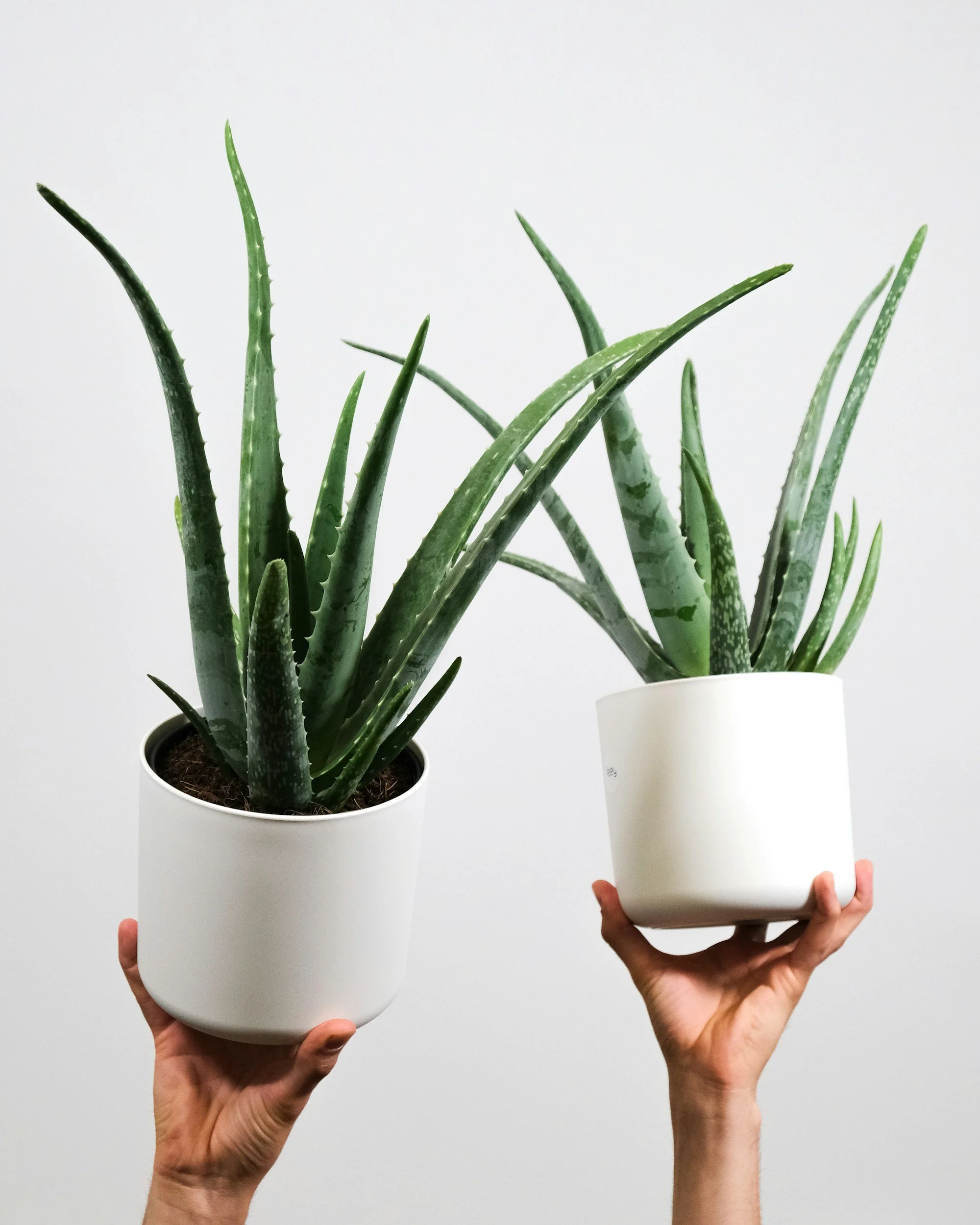
14. Aloe Vera
Needs little water and plenty of light. The gel-filled leaves resist salt damage and help heal sunburns.
Why it’s perfect: Hardy, water-efficient, and tolerant of coastal sun.
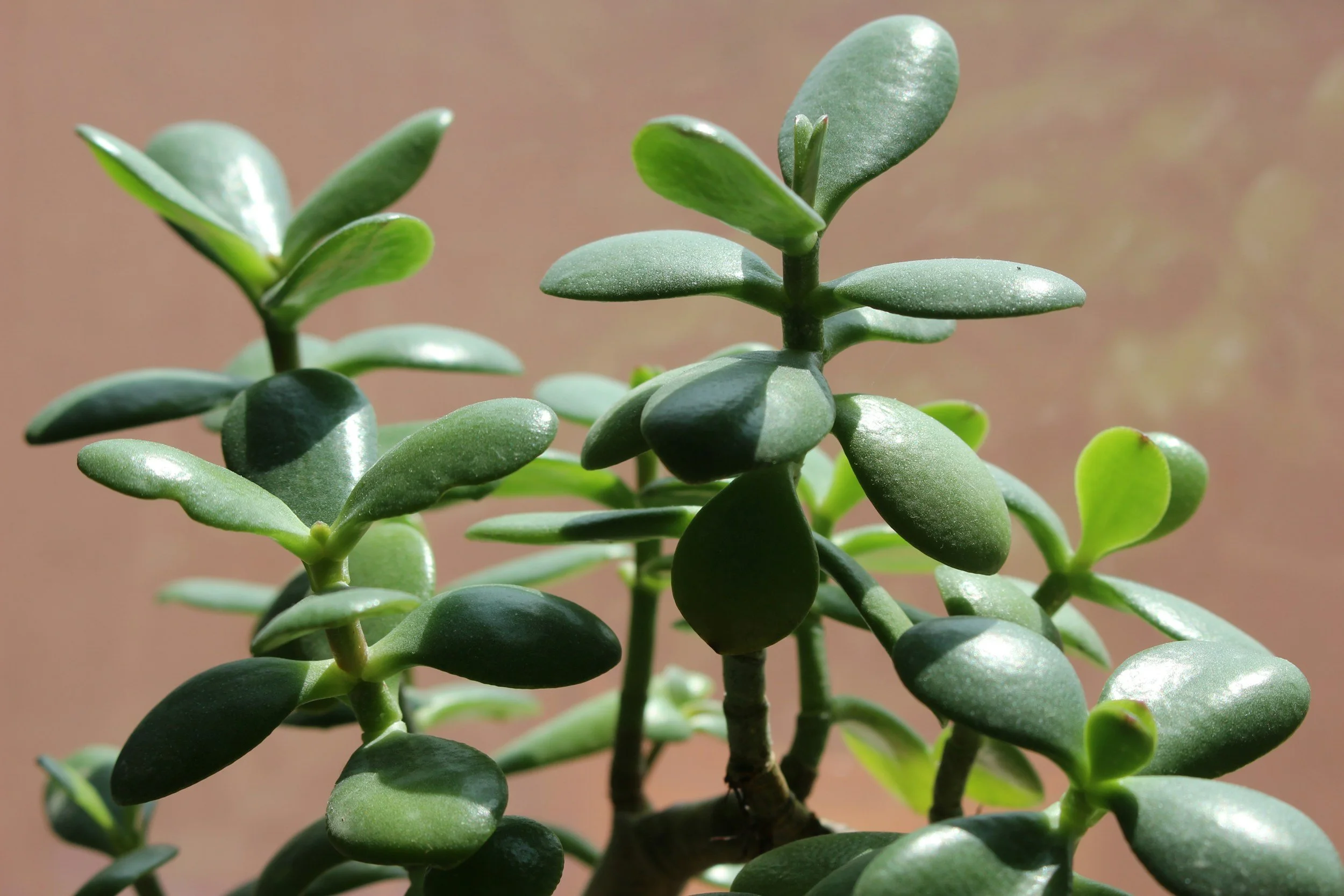
15. Jade Plant (Crassula ovata)
A symbol of prosperity and resilience, jade plants love bright light and moderate humidity.
Why it’s perfect: Thick leaves protect against moisture loss and salt exposure
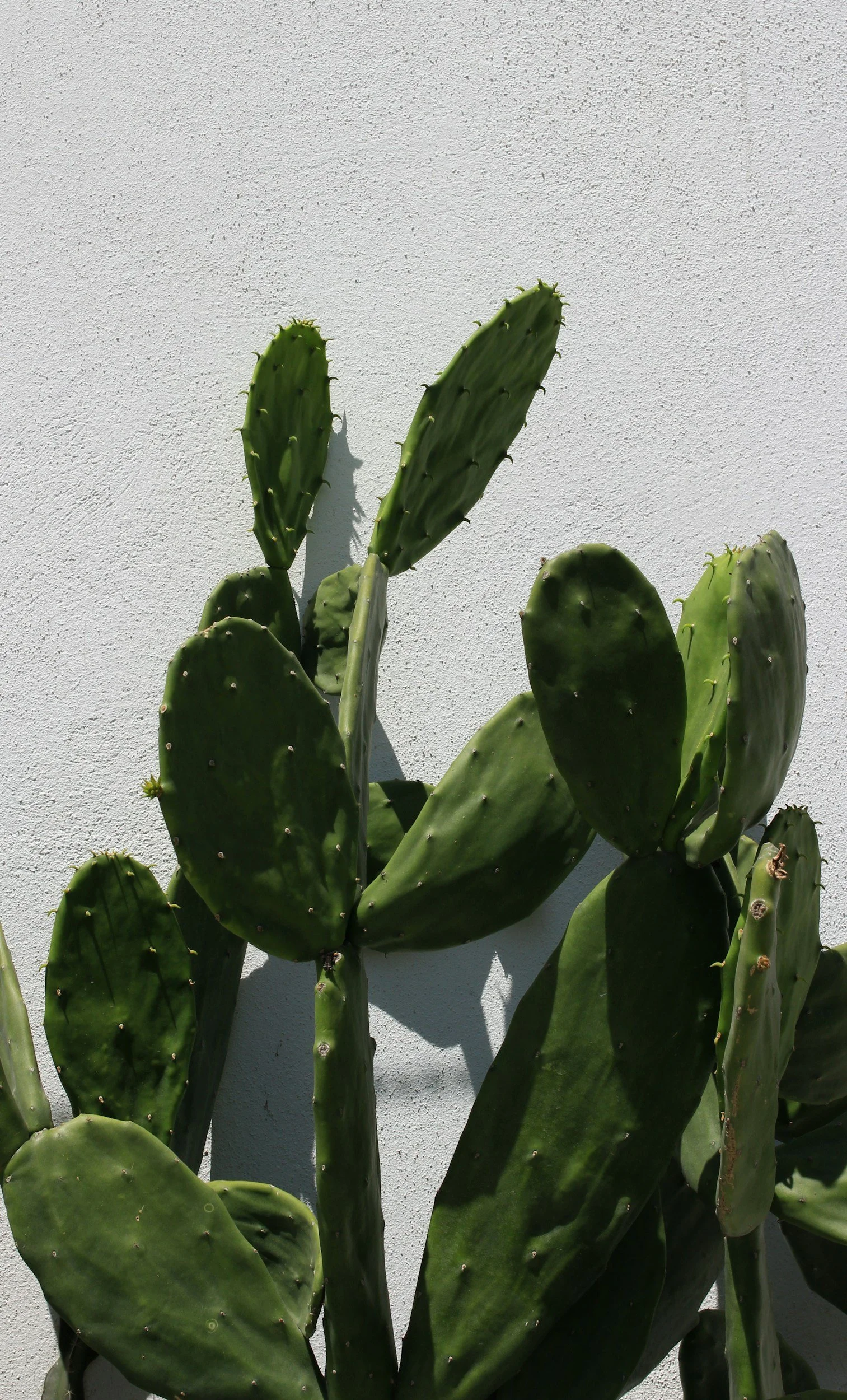
16. Cactus Varieties (Golden Barrel, Bunny Ear, etc.)
Excellent for coastal balconies that get full sun. Just ensure proper drainage.
Why it’s perfect: Sun-hardy, wind-resistant, and immune to salt-related leaf damage.
🌴 Indoor Trees & Larger Plants
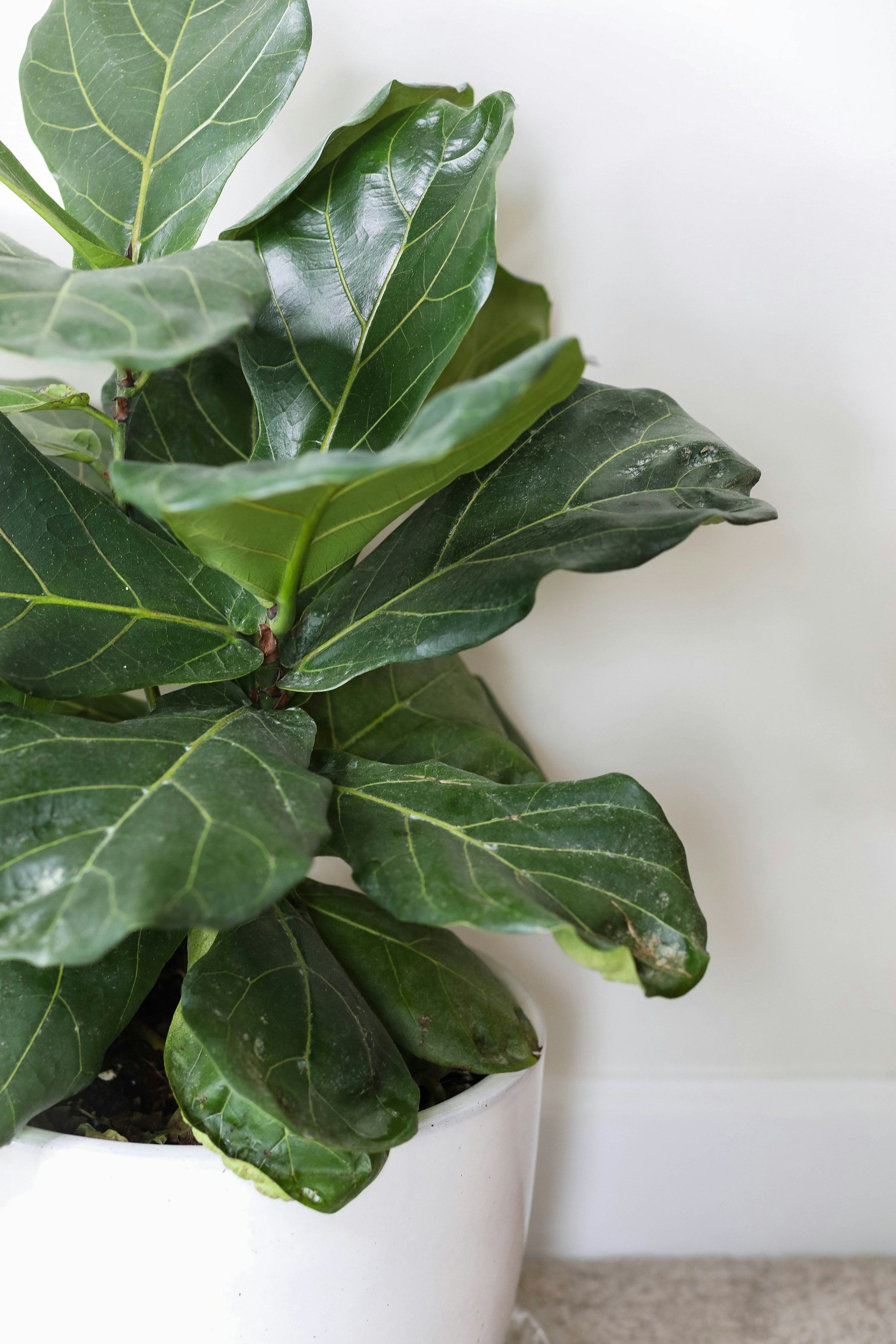
17. Fiddle Leaf Fig (Ficus lyrata)
Loves warmth and humidity but needs bright, indirect light. Ideal for spacious coastal interiors.
Why it’s perfect: Large leathery leaves resist salt and thrive in warm air when kept dust-free.
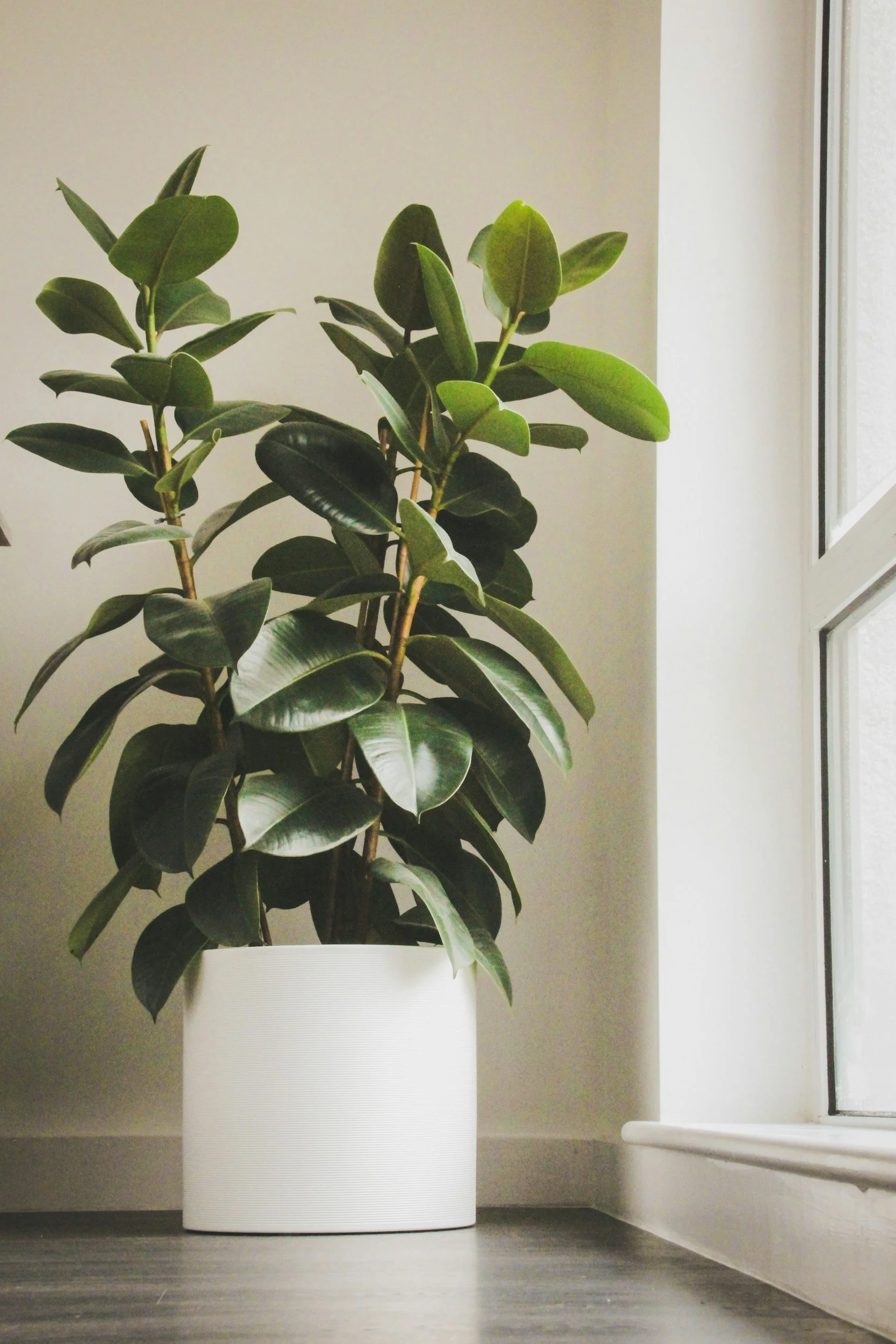
18. Rubber Plant (Ficus elastica)
Glossy, dark leaves and a bold presence. Prefers humidity and indirect light.
Why it’s perfect: Waxy leaves naturally repel salt and moisture buildup.
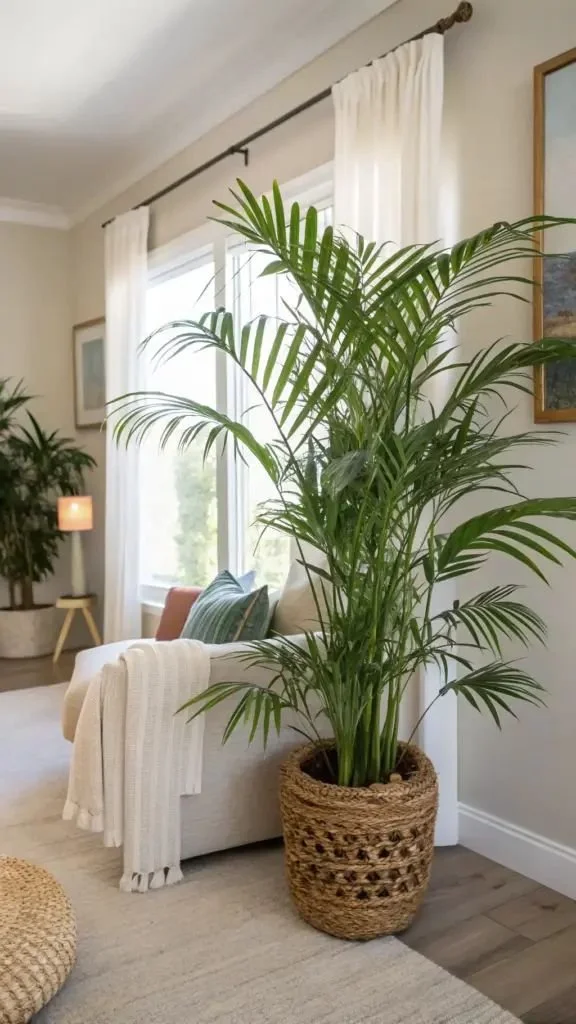
19. Bamboo Palm (Chamaedorea seifrizii)
Compact and lush, perfect for corners. Filters indoor air and tolerates salt exposure.
Why it’s perfect: Its native habitat mimics coastal conditions—humid, shaded, and warm.
3. Care Tips for Coastal Indoor Plants
Preventing Overwatering
In humid air, plants absorb moisture naturally—so water less frequently. Always use:
Pots with drainage holes.
Coco peat or perlite soil mixes for aeration.
A moisture meter to avoid soggy roots.
Managing Salt Exposure
If salty air settles on your plants:
Wipe leaves gently every two weeks.
Keep them slightly away from open windows facing the sea.
Mist occasionally with clean, distilled water.

Soil & Drainage
Use a well-draining mix of coco peat, perlite, and compost to prevent root rot. Terracotta pots help moisture evaporate faster, keeping roots healthy.
Light & Placement
Bright, indirect light is best. Filter harsh sunlight with sheer curtains or move plants a few feet from windows.
Air Circulation
Humidity without airflow leads to fungus. Use ceiling fans or open windows slightly to keep air moving.
Use fans or dehumidifiers for airflow.
Group plants for shared humidity.
Add mulch or decorative stones to reduce evaporation.
Keep plants out of direct drafts from AC or ocean breeze.
Coastal Styling Tips
4. Styling Ideas for Coastal Homes
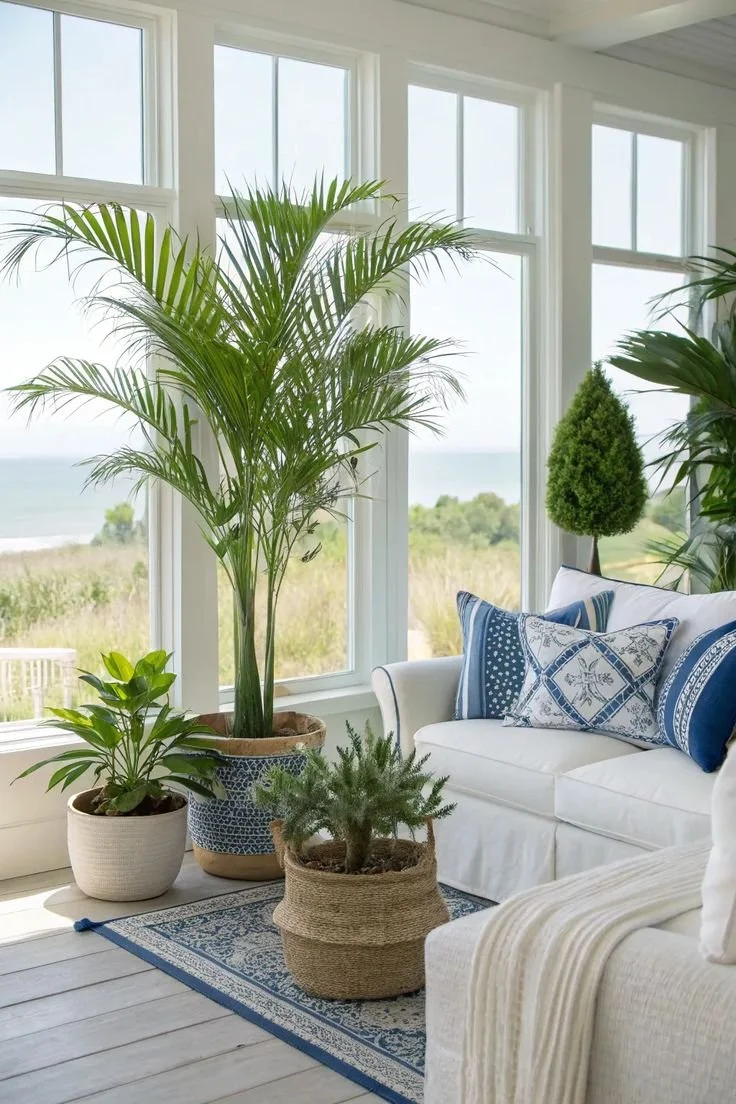
Enhance your coastal aesthetic by combining greenery with light, natural materials:
Planters: Rattan, seagrass, or white ceramic.
Colors: White, beige, turquoise, and sand tones.
Textures: Linen, wicker, bamboo.
Placement ideas:
Cluster palms near sliding glass doors.
Hang spider plants on verandas.
Add a Monstera to your living room corner.
Display succulents on a sunny window ledge.
Conclusion
With the right plants and a few smart habits, coastal living can be the perfect environment for indoor greenery. From resilient tropical palms to vibrant flowering plants, these species naturally embrace humidity and warmth—transforming your home into a tranquil, seaside oasis.
Want help picking the perfect plants for your coastal space? Book a free consultation today and get expert styling tailored to your climate.
