
Low-Maintenance Plants for Busy Homeowners
Why Go Low-Maintenance?
If your schedule is always full, keeping up with plant care can feel impossible. The good news? You can still enjoy indoor greenery. With the right selection of low-maintenance plants, your home can stay fresh and vibrant—without the stress of constant upkeep.
Benefits of Low-Maintenance Plants
Low-maintenance plants are forgiving and resilient. They:
Purify indoor air naturally.
Add texture, warmth, and color to interiors.
Tolerate missed waterings or imperfect light.
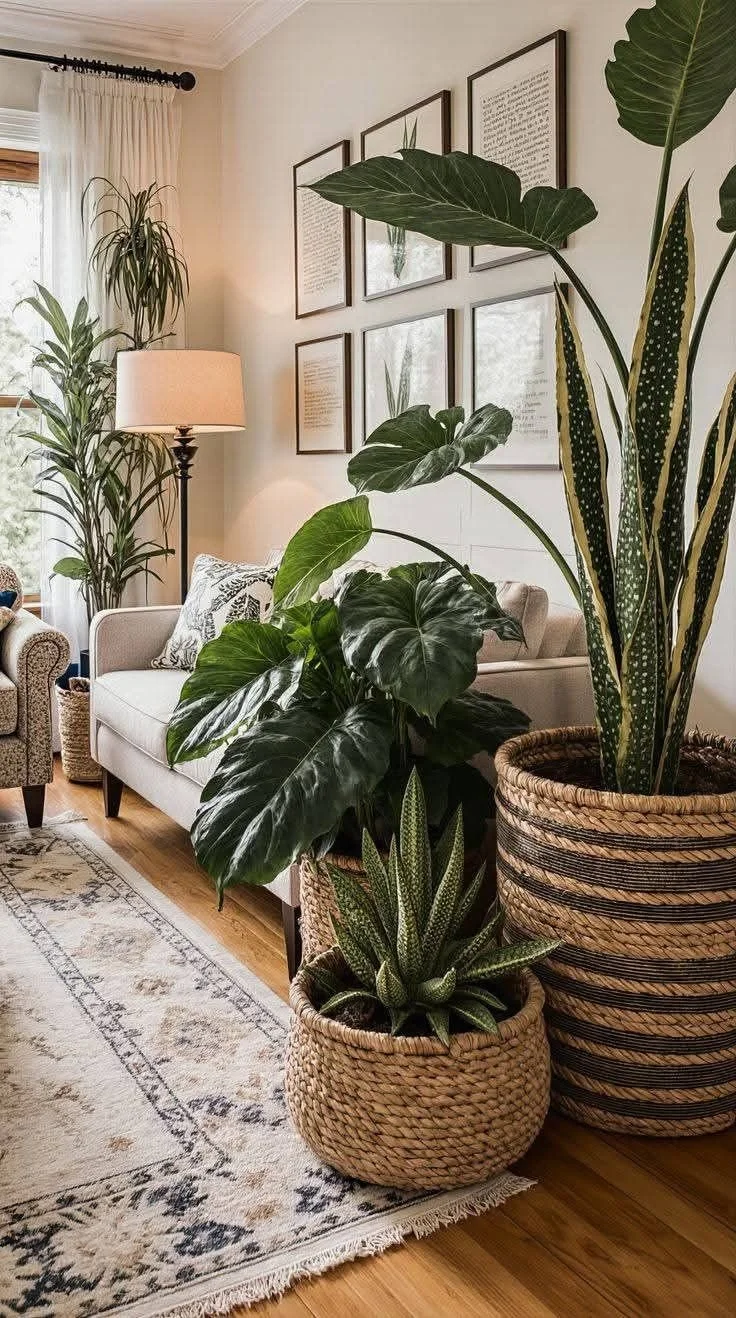
These plants are ideal for homeowners who want beautiful greenery without daily care routines.
Best Low-Maintenance Indoor Plants
Snake Plant (Sansevieria)
Tough, tall, and air-purifying—perfect for bedrooms and offices. Needs minimal water and tolerates low light.

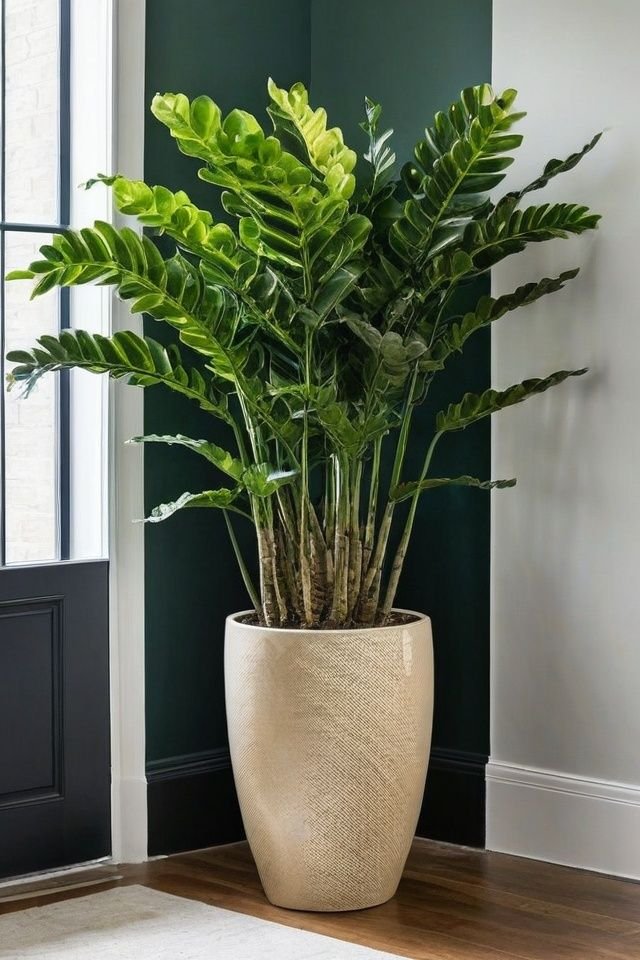
ZZ Plant (Zamioculcas zamiifolia)
Glossy, low-light tolerant, and nearly indestructible. Thrives even in dry rooms or shaded corners.
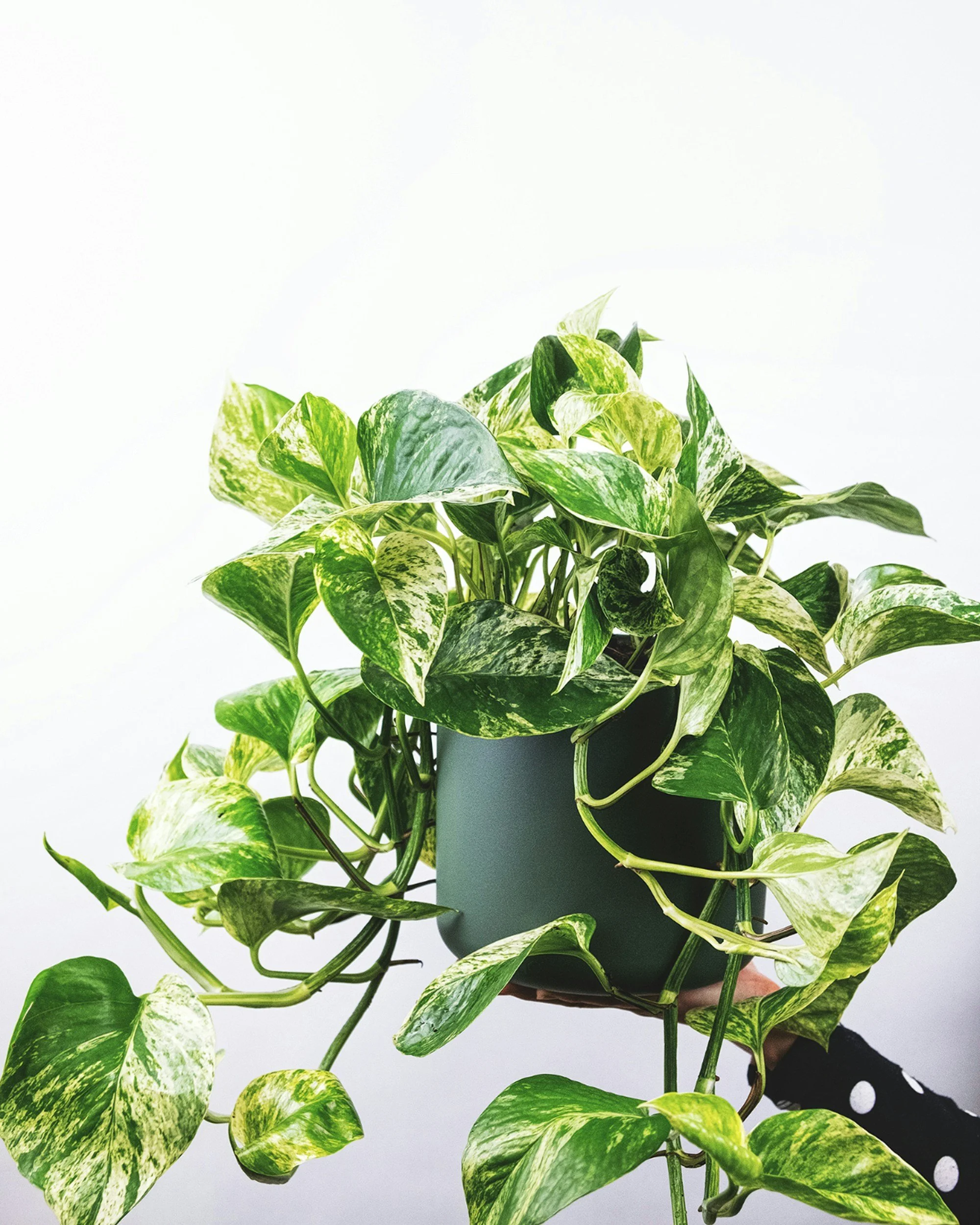
Pothos (Epipremnum aureum)
Fast-growing trailing plant that’s easy to propagate. Works well in hanging pots or on shelves.
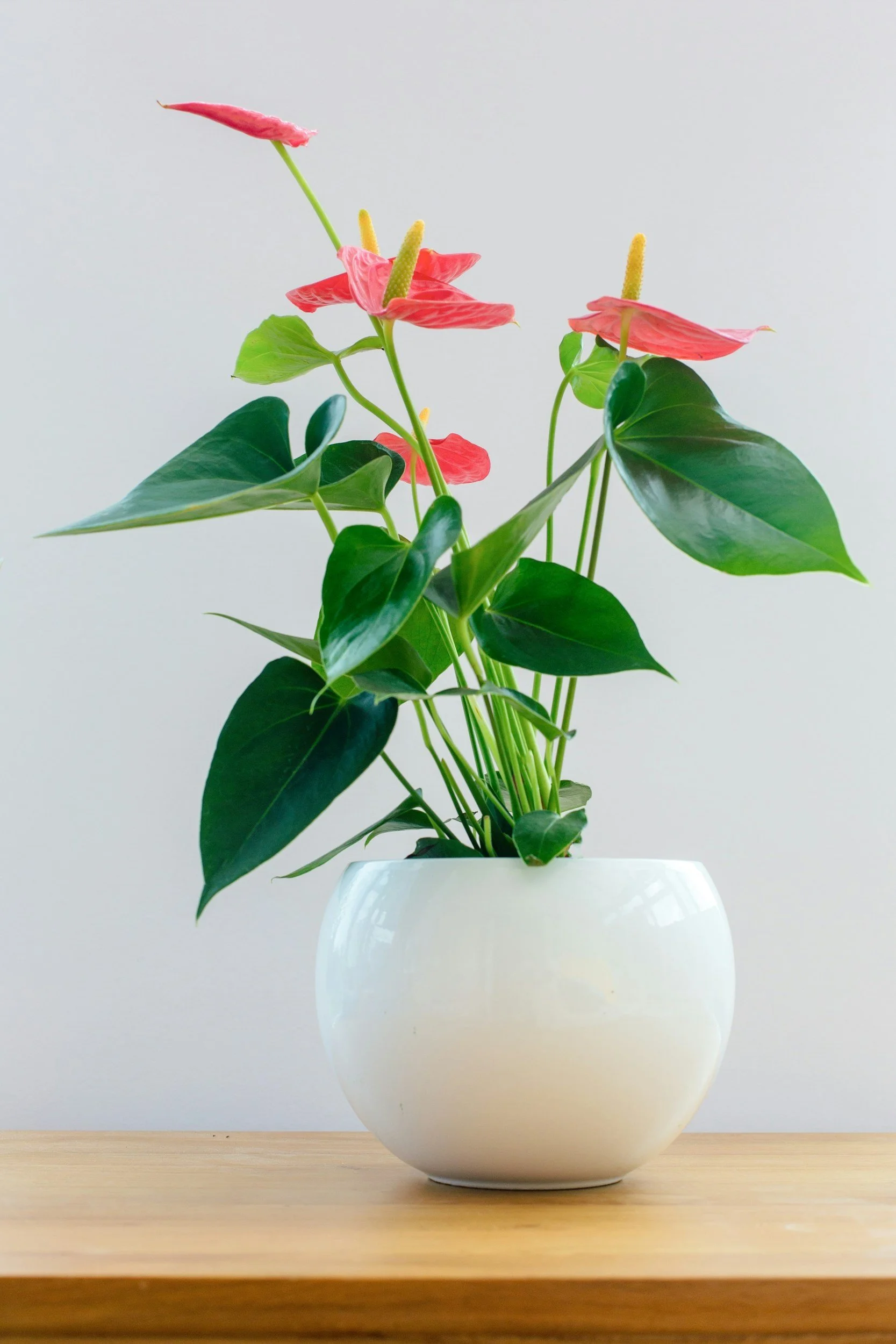
Peace Lily (Spathiphyllum)
Beautiful white blooms and excellent air purification. Water only when the soil feels dry.
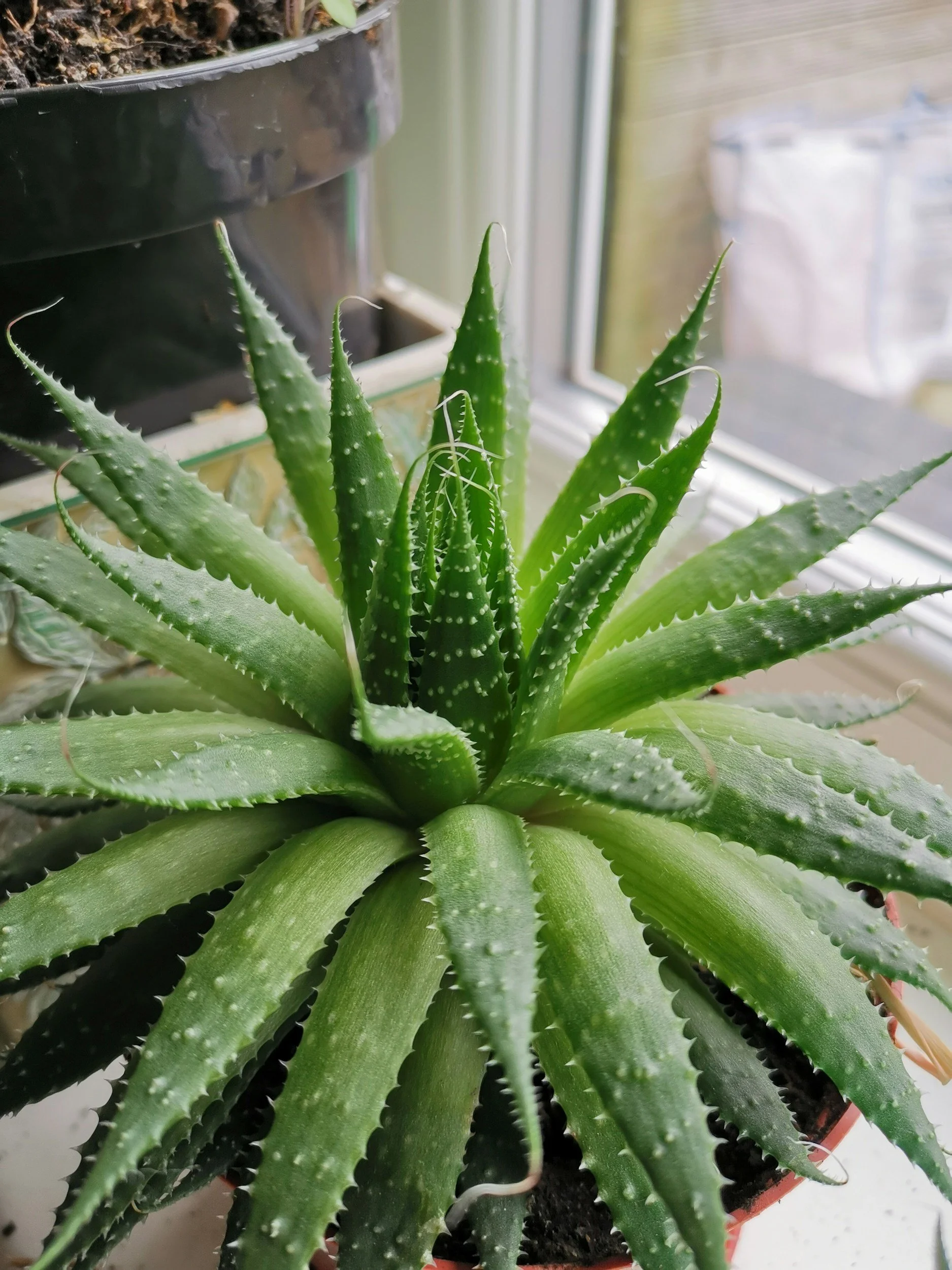
Aloe Vera
A sun-loving succulent that doubles as a natural remedy for burns and dry skin.
Simple Care Tips
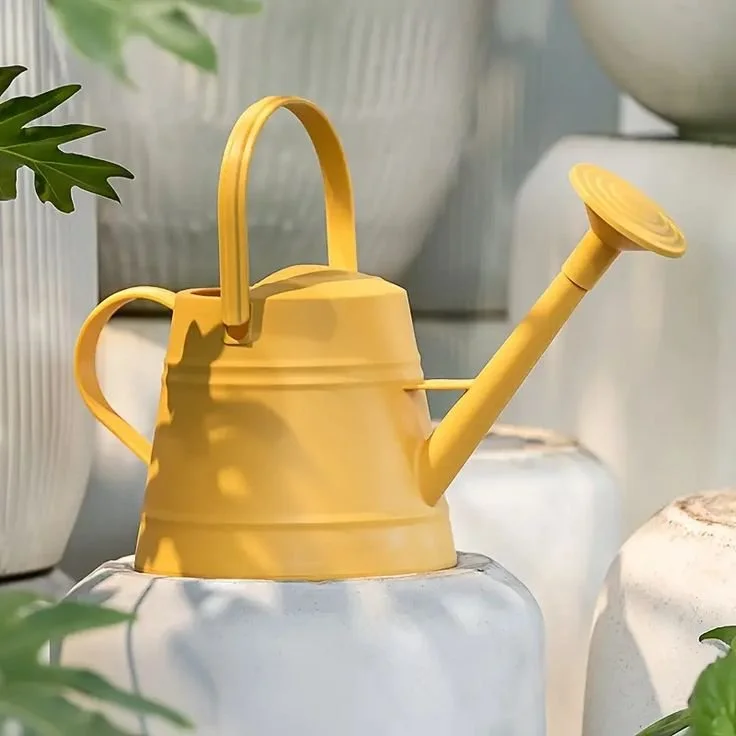
Water smartly: Only when the top inch of soil is dry.
Use self-watering pots: Keeps moisture steady for longer.
Wipe leaves monthly: Removes dust and helps photosynthesis.
Place strategically: Group by light needs—bright, medium, or low light.
Where to Place Them
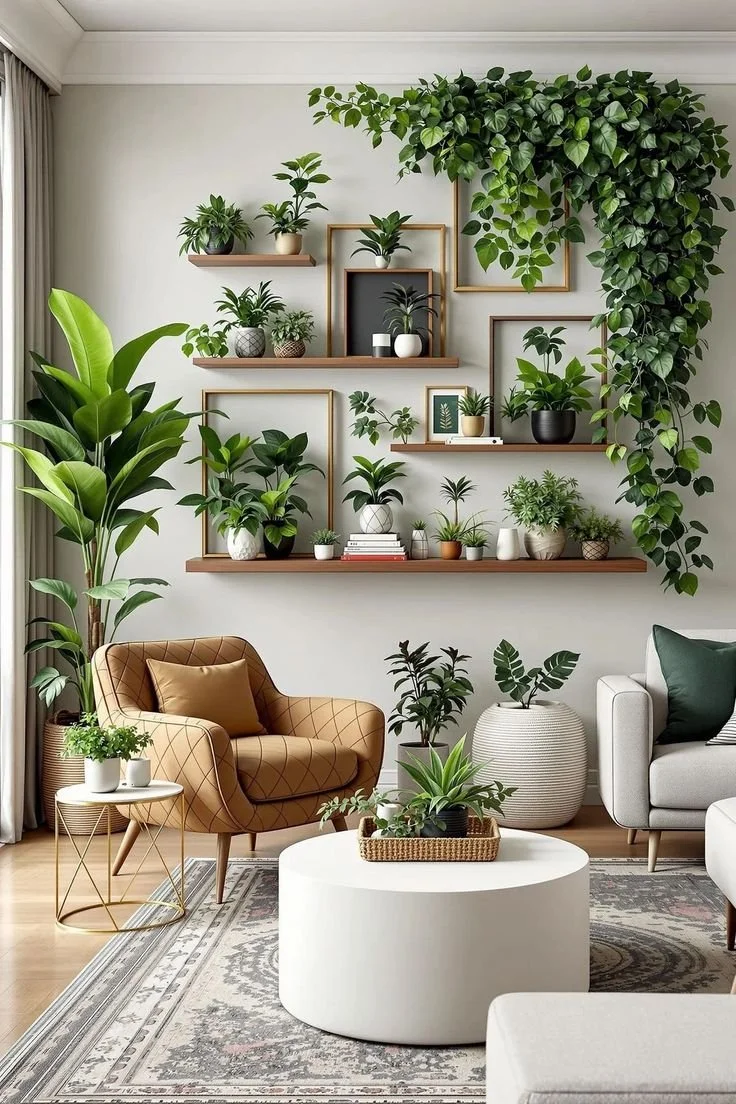
Living Room: Snake or ZZ plants for bold structure.
Bedroom: Peace lily or aloe for calm energy.
Home Office: Pothos for focus and freshness.
Conclusion
Low-maintenance indoor plants make greenery effortless. With the right selection and simple care, your home can feel more alive—even with a packed schedule.
Ready to refresh your space with easy-care plants? Book your free consultation today.
